House price growth slows to 3.6% in Q1 FY27, says RBI; what’s driving the moderation
Source Entity
TRISHA MAHAJAN
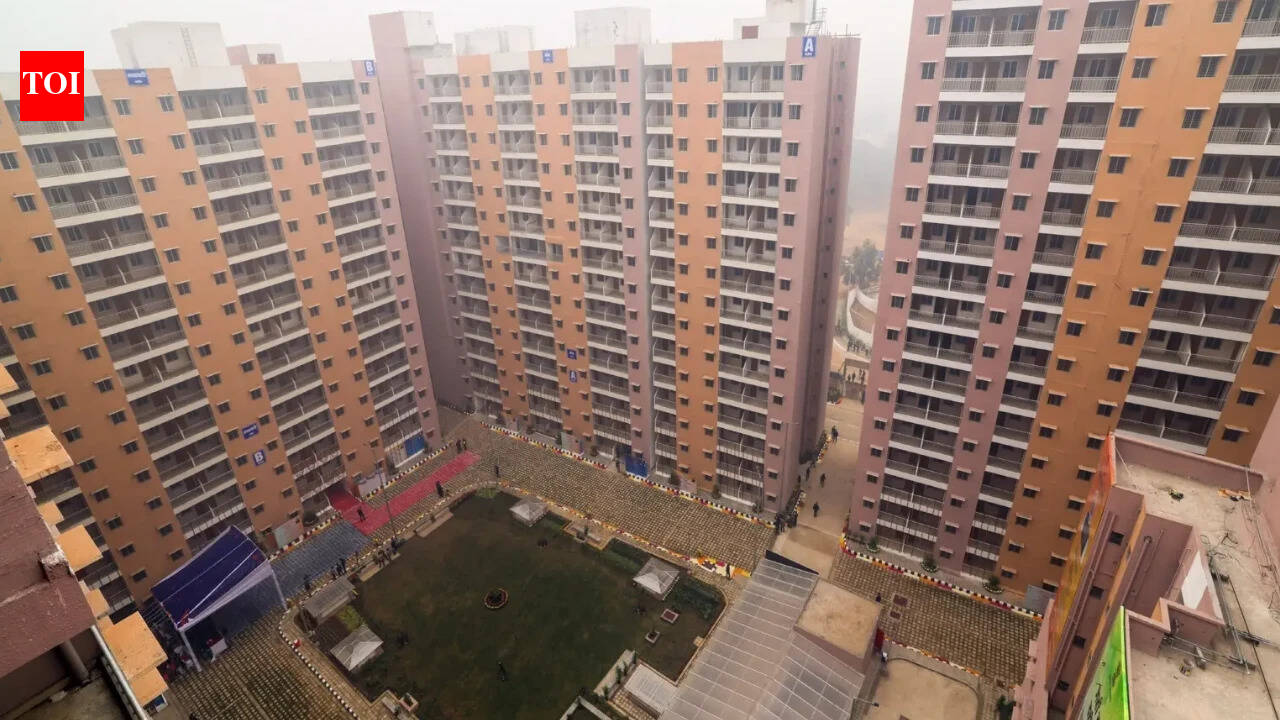
India's residential house price growth moderated to 3.6% in Q1 FY27, down from 4.5% in the previous quarter. While the RBI's House Price Index continues to show an upward trend, the pace of appreciation has slowed significantly across key urban centers.
Analysis of India's Residential Real Estate Market Trends
The Reserve Bank of India (RBI) recently released data indicating that India’s house price growth has moderated to 3.6 percent year-on-year for the first quarter of FY27. This follows a previous quarter where the growth rate stood at 4.5 percent, signaling a clear deceleration in the momentum of residential property valuations across the country. The All-India House Price Index (HPI) reached 117.5 in Q1 FY27, climbing from 116.2 in the preceding quarter and 113.4 in the same period last year.
Understanding the Moderation in Price Growth
While the index continues to reflect an upward trajectory, the shift from 4.5 percent to 3.6 percent annual growth is a significant indicator of cooling market dynamics. On a quarter-on-quarter basis, the index saw a modest increase of 1.1 percent, suggesting that while the market is not contracting, the aggressive price surges previously observed are losing steam. This data point is essential for stakeholders, including homebuyers, developers, and policymakers, as it reflects a transition toward a more stabilized pricing environment.
The Role of Tier-II and Tier-III Cities
Interestingly, the RBI highlights that the annual growth observed during this period was primarily driven by specific cities, most notably Chandigarh, Jaipur, Kanpur, and Lucknow. These cities have emerged as critical drivers for the national average, suggesting that real estate demand and subsequent price appreciation are no longer confined to the traditional major metropolitan hubs. This geographic diversification indicates a shift in investment patterns and urban development priorities within India.
Broader Economic Implications
The moderation in house price growth is often a reflection of broader macroeconomic factors, including interest rate cycles, inventory levels, and affordability constraints. When the pace of price increases slows, it often suggests that the market is reaching a point of equilibrium between supply and demand. For the RBI, monitoring these trends is crucial for assessing financial stability, as residential real estate constitutes a significant portion of household assets and bank loan portfolios.
Future Outlook and Market Stability
Looking ahead, the deceleration to 3.6 percent suggests that the housing market is entering a phase of consolidation. While the upward movement in the HPI proves that residential property remains a resilient asset class, the easing momentum may provide some relief to prospective buyers facing affordability challenges. Sustained monitoring of these indices will be vital to determine whether this trend of moderate growth will persist throughout the remainder of the fiscal year or if market conditions will shift in response to changing economic variables.