RBI intervenes to support rupee as oil prices, dollar demand rise: Report
Source Entity
YASHASVI VASISTHA
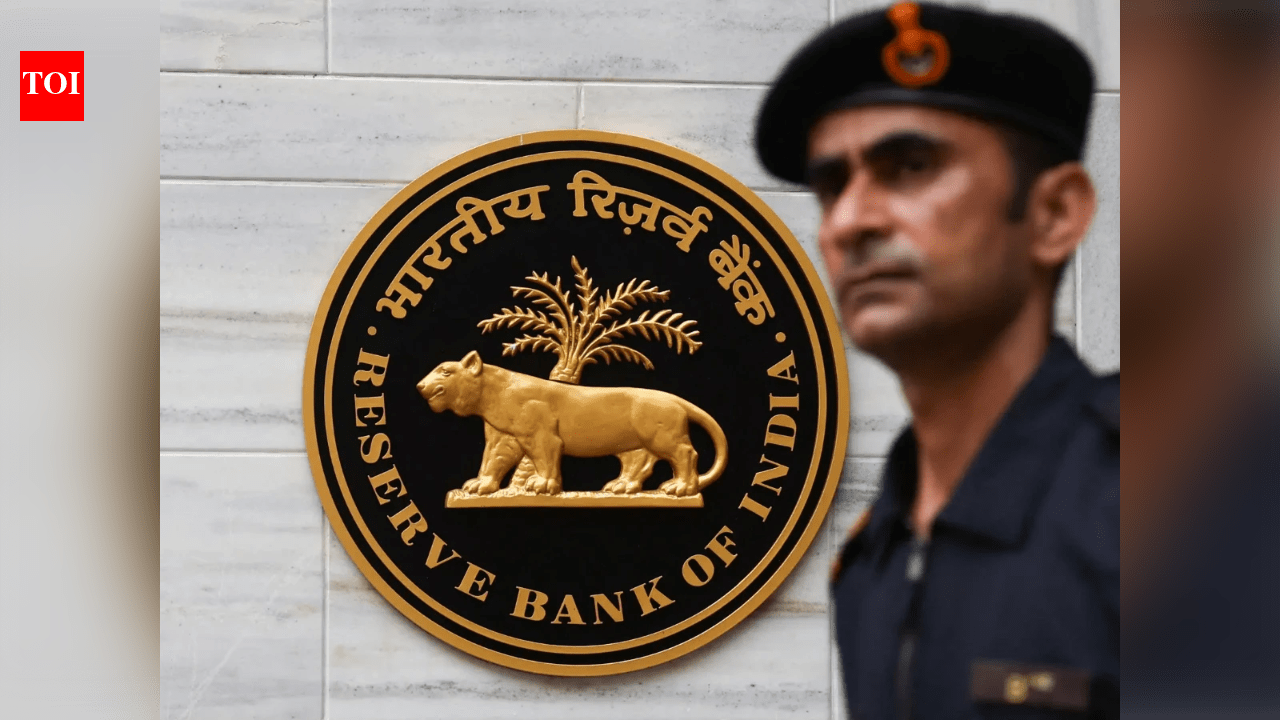
The Reserve Bank of India has actively intervened in foreign exchange markets to stabilize the rupee against rising oil prices and corporate dollar demand. This strategic action has kept the currency in a narrow trading range despite broader geopolitical and market pressures.
RBI Strategic Intervention to Stabilize the Indian Rupee
Recent reports indicate that the Reserve Bank of India (RBI) has likely stepped into the foreign exchange markets to provide essential support to the Indian rupee. This intervention comes as the currency faces significant downward pressure driven by a confluence of rising global oil prices and heightened demand for dollars from corporate entities. By utilizing state-run banks to offer dollars, the central bank is employing a well-established mechanism to manage volatility and prevent sharp, destabilizing depreciation of the local currency.
The Impact of Energy Markets and Corporate Demand
The Indian rupee’s vulnerability is intrinsically linked to the nation’s status as a major oil importer. When global crude prices climb, the demand for foreign currency to settle import bills surges, which naturally puts the rupee under strain. Simultaneously, corporate demand for dollars—often for hedging or debt repayment—compounds this pressure. The RBI’s intervention serves as a necessary buffer, ensuring that these structural demands do not lead to a chaotic slide in the currency's value, which could otherwise fuel imported inflation.
Navigating Geopolitical and Market Headwinds
Beyond energy costs, the broader macroeconomic environment has presented a challenging landscape. Ongoing geopolitical tensions have created uncertainty in global financial markets, leading to risk-off sentiment among investors. This, coupled with weakness in domestic equity markets, has historically triggered capital outflows, further challenging the rupee. The fact that the rupee has remained range-bound for two weeks is a testament to the effectiveness of the RBI's sustained and calibrated intervention strategy.
Historical Context and Monetary Strategy
The Reserve Bank of India has long maintained a policy of intervening in the forex market not to defend a specific exchange rate, but to curb excessive volatility. This pragmatic approach allows the central bank to maintain adequate foreign exchange reserves while providing the market with a sense of stability. By managing the pace of depreciation, the RBI assists domestic businesses in planning their financial obligations with greater predictability despite turbulent global conditions.
Future Outlook and Market Stability
Looking ahead, the trajectory of the rupee will likely remain tethered to the volatility of global oil prices and the strength of the U.S. dollar. If geopolitical tensions persist or equity markets continue to see outflows, the RBI will likely maintain its vigilant oversight. Market participants are expected to continue monitoring state-run bank activity as a primary indicator of the central bank's stance. This persistent management strategy will remain a cornerstone of India’s economic defense against external shocks in the coming months.