RBI may raise repo rate by 75-100 bps in current cycle, says report
Source Entity
Latest News: Todays Latest News Headlines from India & World | Hindustan Times | Hindustan Times
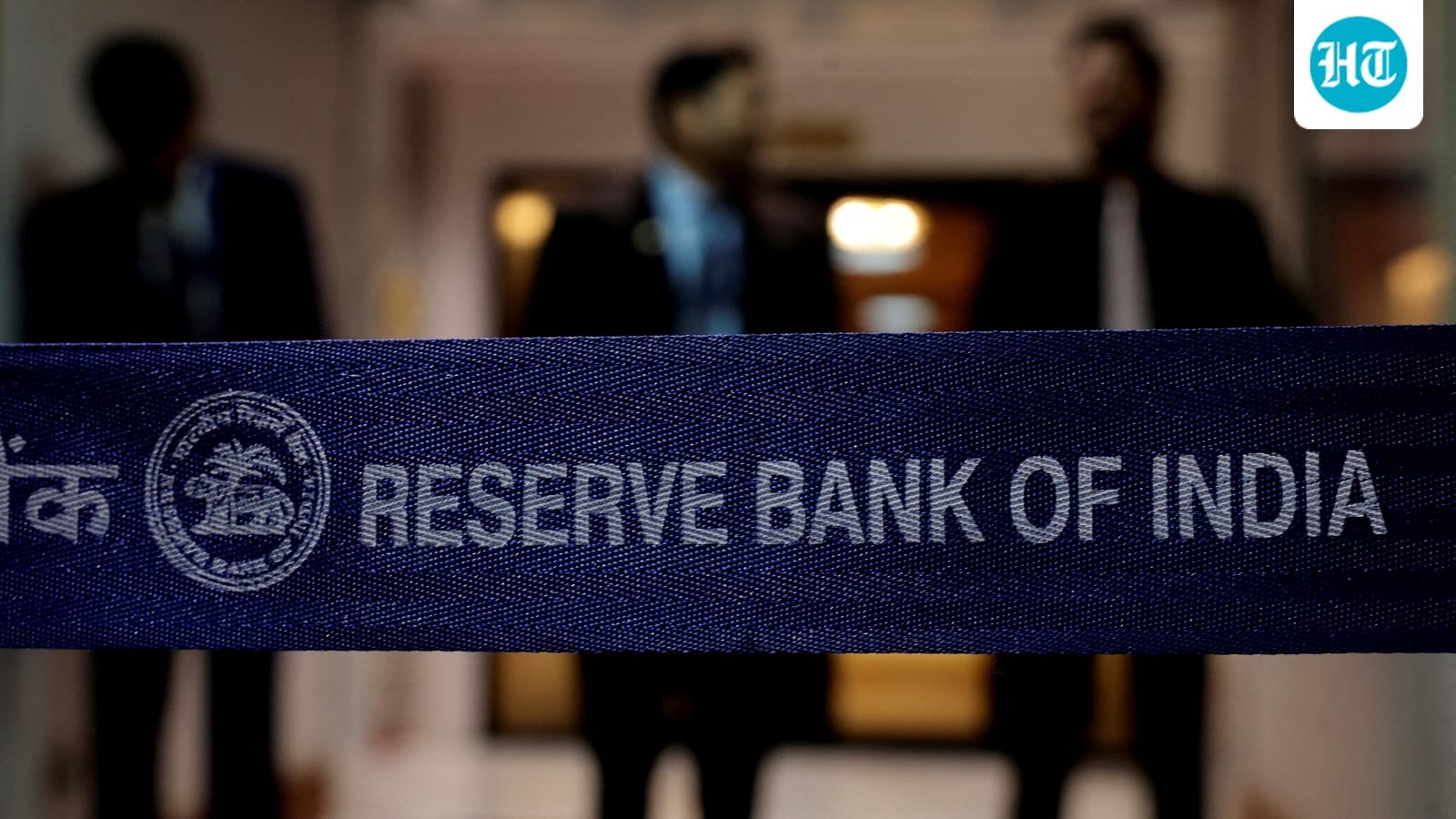
The Reserve Bank of India is anticipated to increase the repo rate by 75-100 basis points to combat persistent inflation. This shift toward a calibrated tightening policy aims to stabilize the economy amid global volatility and rising yields.
The RBI's Strategic Shift: Navigating Inflationary Pressures
The Reserve Bank of India (RBI) is currently navigating a complex macroeconomic environment characterized by persistent inflationary pressures and global financial instability. According to a recent report by SBI Capital Markets, the central bank may be compelled to raise the repo rate by 75-100 basis points within the current tightening cycle. This move represents a significant pivot from previous accommodative stances, reflecting the urgency to anchor long-term inflation expectations despite the potential for short-term economic friction.
Global Uncertainty and Capital Outflows
The impetus for this hawkish outlook stems largely from external factors. Rising bond yields in advanced economies have triggered capital outflows from emerging markets, including India, placing considerable pressure on the domestic currency and financial stability. By adjusting the repo rate, the RBI seeks to maintain the attractiveness of domestic assets and mitigate the volatility caused by these global capital shifts. This strategy is essential for preserving the integrity of the financial system in an increasingly interconnected global market.
Understanding 'Calibrated Tightening'
Central to the RBI’s recent policy shift is the move from a 'Neutral' stance to one of 'Calibrated Tightening.' This terminology signals to the market that the Monetary Policy Committee (MPC) is prepared to act decisively to curb inflation, which is expected to remain elevated in the near term before potentially cooling in the next financial year. The 25-basis-point hike already implemented serves as a foundational step in this broader strategy, indicating that the central bank is prioritizing price stability over immediate growth stimulus.
Impact on the Banking Sector
While higher interest rates often invite concerns regarding slowing credit growth and increased EMI burdens for consumers, the SBI Caps report notes a potential silver lining: improved bank margins. As lending rates adjust upward to reflect the higher cost of funds, commercial banks may see a boost in their net interest margins in the near term. This provides a necessary buffer for financial institutions, though the long-term impact will depend on the resilience of consumer demand and corporate borrowing capacity.
Future Outlook and Policy Monitoring
Looking ahead, the trajectory of these rate hikes remains data-dependent. While a gradual increase remains the base case for the RBI, the report suggests that a more aggressive hike could be on the table depending on critical inflation readings from September and October. This data-driven approach allows the MPC to maintain flexibility, ensuring that policy responses are commensurate with the evolving economic reality, thereby safeguarding the Indian economy against sustained inflationary spikes.
Verification Required?