1,500 Migrants Arrive In Spain's Canary Islands In A Day, Highest Since 2020
Source Entity
NDTV News Search Records Found 1000
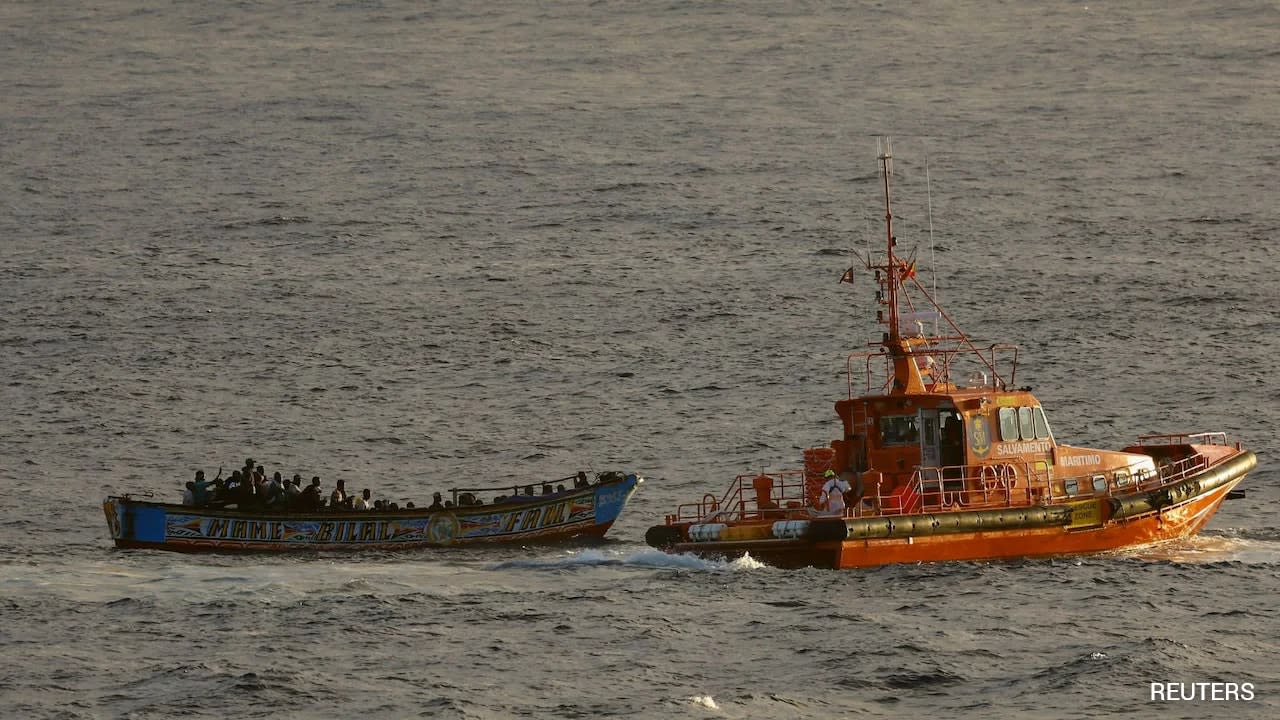
Spain's Canary Islands have experienced a record surge of 1,500 migrant arrivals in a single day, the highest volume since 2020. This influx highlights the persistent challenges of the Atlantic migration route and the vulnerability of those making the dangerous journey.
The Atlantic Migration Crisis: A Record Surge in the Canaries
The recent arrival of 1,500 migrants in Spain’s Canary Islands within a single 24-hour period marks a significant escalation in the ongoing humanitarian challenge facing the Atlantic migration route. This figure represents the highest daily volume of arrivals recorded since 2020, underscoring the volatility of maritime crossings and the persistent desperation driving individuals toward European shores. The arrival of a single vessel carrying 240 people—including 12 women and 36 children—serves as a poignant illustration of the demographic reality of these journeys, where entire families often risk their lives in pursuit of stability.
The Human Cost of Maritime Migration
The presence of children and women among the 240 passengers on Saturday’s boat underscores the extreme risks taken by vulnerable populations. The Atlantic route to the Canary Islands is notorious for its treacherous currents, long distances, and the use of overcrowded, unseaworthy vessels. When large groups arrive simultaneously, the humanitarian infrastructure on the islands—already stretched thin—faces immense pressure to provide basic medical care, food, and shelter, particularly when processing large numbers of minors who require specialized social services.
Historical Context and Route Volatility
Comparing this surge to the 2020 crisis provides essential context regarding the evolution of migration patterns. The Canary Islands have long served as a primary gateway for migrants departing from the West African coast. While migration flows fluctuate based on geopolitical stability, economic conditions in countries of origin, and seasonal weather patterns, the recent spike suggests that the Atlantic route remains a preferred, albeit deadly, alternative to Mediterranean crossings. As border enforcement tightens elsewhere, traffickers often pivot to these longer, more dangerous paths.
Broader Geopolitical Implications
The sudden influx of 1,500 people in one day forces Spain and the European Union to grapple with the logistics of reception and distribution. This event highlights the tension between national border security and the international obligation to protect asylum seekers. Such surges often act as a catalyst for political debates within Spain regarding regional resource allocation and the need for a cohesive EU-wide migration strategy that addresses the root causes of displacement in West Africa.
Future Trends and Policy Challenges
Looking forward, the persistence of such high-volume arrivals suggests that policymakers must transition from reactive crisis management to proactive, long-term cooperation with coastal African nations. Without comprehensive investment in transit countries and the establishment of safer, legal pathways, these surges are likely to continue. The international community is once again reminded that the Atlantic migration route is not merely a logistical challenge but a profound humanitarian emergency that requires sustained attention to the safety and rights of those aboard these vessels.
Verification Required?