Reduced rainfall in Maharashtra, Belagavi leads to lower discharge in the Krishna
Source Entity
India Latest News: Top National Headlines Today & Breaking News | The Hindu
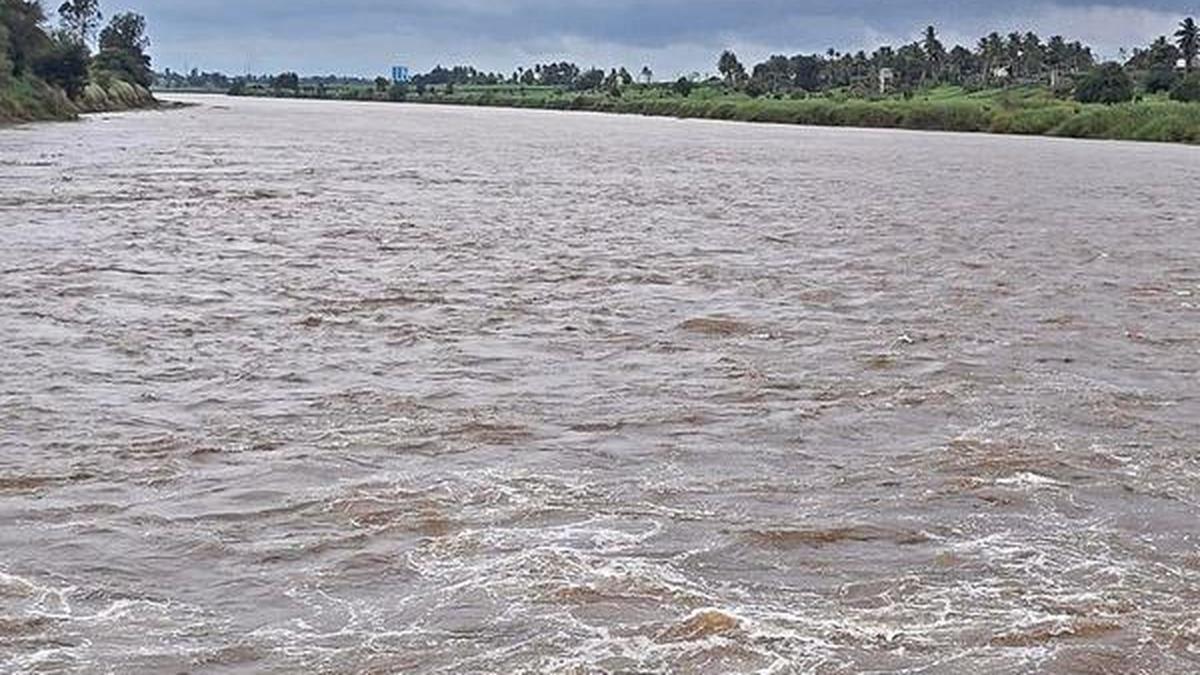
Reduced rainfall in Maharashtra and Belagavi has led to decreased water inflow into the Krishna river basin. Consequently, bridge-cum-barrages in the region have reopened for traffic as water levels stabilize.
Rainfall Deficit Impacts Krishna River Basin Dynamics
Recent meteorological shifts in Maharashtra and the Belagavi district have triggered a notable reduction in rainfall, directly impacting the hydrological profile of the Krishna river basin. On Monday, this decrease in precipitation led to a measurable decline in inflow across the Krishna and its associated tributaries. Such fluctuations are characteristic of the monsoon season in the Western Ghats, where catchment areas are highly sensitive to even minor variations in rain intensity.
Infrastructure and Traffic Normalization
A direct consequence of the receding water levels has been the normalization of local transport infrastructure. Several bridge-cum-barrages in the Belagavi district, which had been previously submerged due to high water discharge, were reopened for public traffic on Monday. This development provides immediate relief to local communities that rely on these crossings for daily logistics and connectivity, highlighting the intricate balance between water resource management and regional infrastructure accessibility.
Reservoir Discharge and Inflow Analysis
Data from regional reservoirs reflects the current hydrological stabilization. The discharge from Maharashtra-based reservoirs was recorded at 64,373 cusecs, representing an 8,385 cusec decrease compared to the previous day. This reduction in discharge suggests a cooling-off period for the river system as upstream catchment areas experience a temporary lull in heavy rainfall. These measurements are critical for local authorities to manage downstream flow and prevent the risks associated with sudden flooding.
Current Storage Status of Key Dams
The Almatti dam, a cornerstone of the region's water security, is currently managing an inflow of 73,461 cusecs against an outflow of 28,438 cusecs. With a current storage of 97.2 tmcft out of its 123 tmcft capacity, the dam remains in a healthy position to meet agricultural and domestic demands. Similarly, the Raja Lakhamagouda reservoir on the Ghataprabha river is showing steady metrics, holding 27 tmcft of its 51 tmcft capacity, while the Renuka Sagar dam on the Malaprabha also reports manageable inflow figures.
Broader Implications and Future Trends
While the current reduction in rainfall has eased the pressure on bridge-cum-barrages, it underscores the volatility of water resource management in the Krishna basin. The reliance on upstream discharges from Maharashtra necessitates constant inter-state coordination to ensure equitable water distribution. Looking ahead, if rainfall remains subdued, authorities will likely focus on conserving existing storage levels in the Almatti and Renuka Sagar dams to ensure sustained supply for the upcoming agricultural cycle. Long-term climate variability in these regions continues to challenge traditional water management strategies, emphasizing the need for robust monitoring systems.
Verification Required?