End the UNSC control on picking the next UN chief
Source Entity
Latest News: Todays Latest News Headlines from India & World | Hindustan Times | Hindustan Times
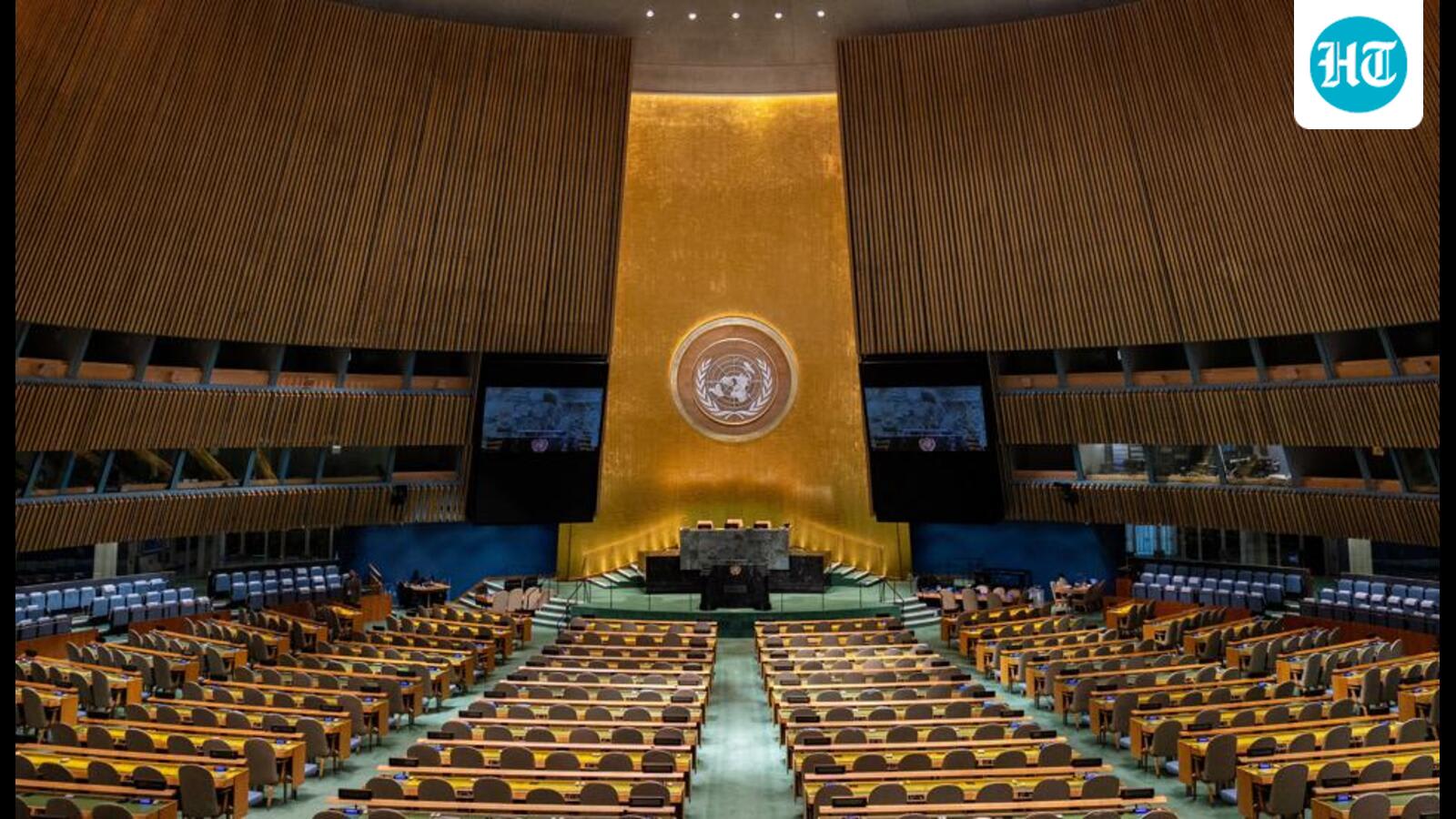
Calls are mounting to reform the UN Secretary-General selection process, which is currently dominated by the P5 veto power. Advocates propose empowering the UN General Assembly to ensure more democratic and transparent appointments.
The Crisis of UN Leadership Selection
The selection process for the United Nations Secretary-General has long been criticized as an opaque, power-brokering exercise conducted behind the closed doors of the UN Security Council (UNSC). While the United Nations Charter ostensibly grants the General Assembly (UNGA) a role, the reality is that the P5 (the five permanent members of the Security Council) hold an effective veto, turning a global appointment into a geopolitical concession. The recent discourse highlights how this dominance has repeatedly marginalized qualified candidates, including qualified women, and underscores a systemic failure to evolve with democratic norms.
The Shadow of P5 Dominance
The current structure requires the UNSC to recommend a candidate to the UNGA, but the P5 veto power essentially dictates the outcome before the broader membership has a meaningful say. This dynamic has historically stifled diversity and meritocracy. By blocking candidates who do not align with the narrow strategic interests of the five permanent members, the UNSC has maintained a stranglehold on the most visible position in global diplomacy. The frustration surrounding this process is not new, but it has reached a boiling point as member states demand a departure from the "hidden" negotiations that characterize the current selection cycle.
Historical Precedents and Anomalies
To understand the gravity of these calls for reform, one must look at the historical context of the post. With the exception of Kurt Waldheim—whose 1981 bid for a third term was famously marred by the revelation of his Nazi affiliations—tradition dictates that a Secretary-General serves a maximum of two five-year terms. The irony of the Waldheim case, where China used its veto power 16 times to block his continuation, serves as a stark reminder that the veto can be used for accountability, yet it is rarely exercised in such a transparent or principled manner today. This historical outlier remains a central point of reference for those arguing that the current process lacks sufficient institutional safeguards.
The Case for General Assembly Empowerment
Proponents of structural change are now advocating for a mechanism where the UNGA asserts its authority under the UN Charter. By adopting a resolution with a simple majority, the UNGA could theoretically demand that the UNSC present more than one candidate for consideration. This shift would fundamentally alter the power balance, moving the selection from a single-candidate "take it or leave it" vote to a competitive process. By forcing the UNSC to provide a slate of candidates, the UNGA would exert its role as the representative body of all member nations, effectively stripping the P5 of their ability to curate the leadership pool in isolation.
Future Implications for Global Diplomacy
If the international community successfully pivots toward a more democratic selection process, the implications for global governance would be profound. A Secretary-General chosen through a competitive, transparent process would likely possess a stronger mandate to act independently of the P5’s immediate interests. This would enhance the legitimacy of the office and perhaps allow the UN to address complex, multi-polar challenges with greater autonomy. As the term of António Guterres concludes, the debate over how to select his successor is not merely procedural; it is a fundamental challenge to the post-World War II power structure that currently defines the United Nations.
Verification Required?