Woman orders cheesy momos, gets ₹20 refund and thoughtful note after restaurant runs out of item
Source Entity
Latest News: Todays Latest News Headlines from India & World | Hindustan Times | Hindustan Times
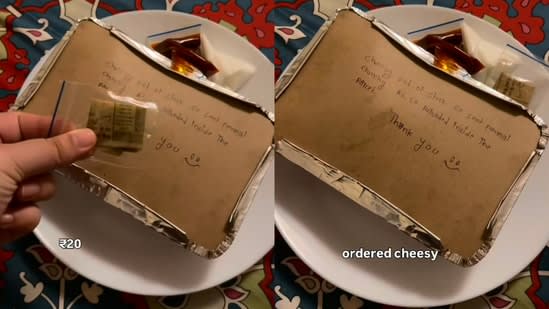
A restaurant gained viral praise for including a handwritten note and a cash refund in a food delivery order after running out of a specific item. The customer shared the experience on social media, highlighting the impact of thoughtful customer service.
The Power of Personalization in Modern Food Delivery
In an era where food delivery services are often characterized by cold, transactional interactions mediated by apps, a recent incident involving a local eatery and a customer named Shriya has highlighted the enduring value of human-centric service. After ordering cheesy momos, Shriya discovered that the restaurant had substituted the item due to availability issues. Rather than simply fulfilling the order with a different product or canceling it entirely, the business took the initiative to include a handwritten note and a cash refund of ₹20 for the price difference.
Redefining Customer Experience
The gesture serves as a masterclass in transparency and service recovery. In the competitive landscape of the food and beverage industry, customer retention is often driven by how a business handles inevitable operational failures—such as inventory shortages. By communicating the change directly and providing a tangible refund, the restaurant transformed a potential disappointment into a positive brand touchpoint. This proactive approach ensures that the customer feels respected, rather than neglected, effectively turning a service gap into an opportunity for loyalty building.
The Role of Social Media in Brand Advocacy
The viral nature of Shriya’s Instagram post, captioned “The smallest gestures leave the biggest impression,” underscores a broader trend in digital marketing: user-generated content (UGC). When businesses prioritize genuine care, customers are naturally incentivized to share their experiences. This creates authentic, high-trust marketing that traditional advertising cannot replicate. For small businesses, these micro-moments of kindness serve as powerful tools for organic reach, proving that reputation management is often more effective than paid promotion.
Operational Integrity and Trust
From an operational standpoint, the decision to include a cash refund—even a small amount—demonstrates a high level of integrity. Many delivery platforms automate substitutions, often leaving customers frustrated with forced choices or incorrect orders. By bypassing the automated system to provide a manual, thoughtful explanation, the restaurant established a sense of accountability. This honesty fosters a psychological contract between the merchant and the consumer, which is essential for surviving in a market where convenience is often prioritized over quality.
Future Trends in Customer-Centric Hospitality
Looking ahead, the hospitality industry is likely to see a continued shift toward this type of personalized service. As automation and AI-driven ordering systems become the industry standard, the “human touch” becomes a premium differentiator. Businesses that integrate empathy into their logistics—such as providing clear communication during supply chain disruptions—will likely outperform those that rely solely on technical efficiency. This event acts as a reminder that even in a digitized economy, the fundamentals of hospitality remain rooted in thoughtfulness.
Conclusion
The incident involving Shriya and the restaurant is more than just a viral social media moment; it is a case study in effective service recovery. By prioritizing customer satisfaction through transparent communication and tangible gestures, the restaurant successfully navigated a supply chain limitation. As consumers continue to demand more personalized and ethical interactions with brands, small gestures of integrity will remain the cornerstone of sustainable customer relationships.
Verification Required?