Bose’s new wired earbuds are simple in the best way
Source Entity
John Higgins
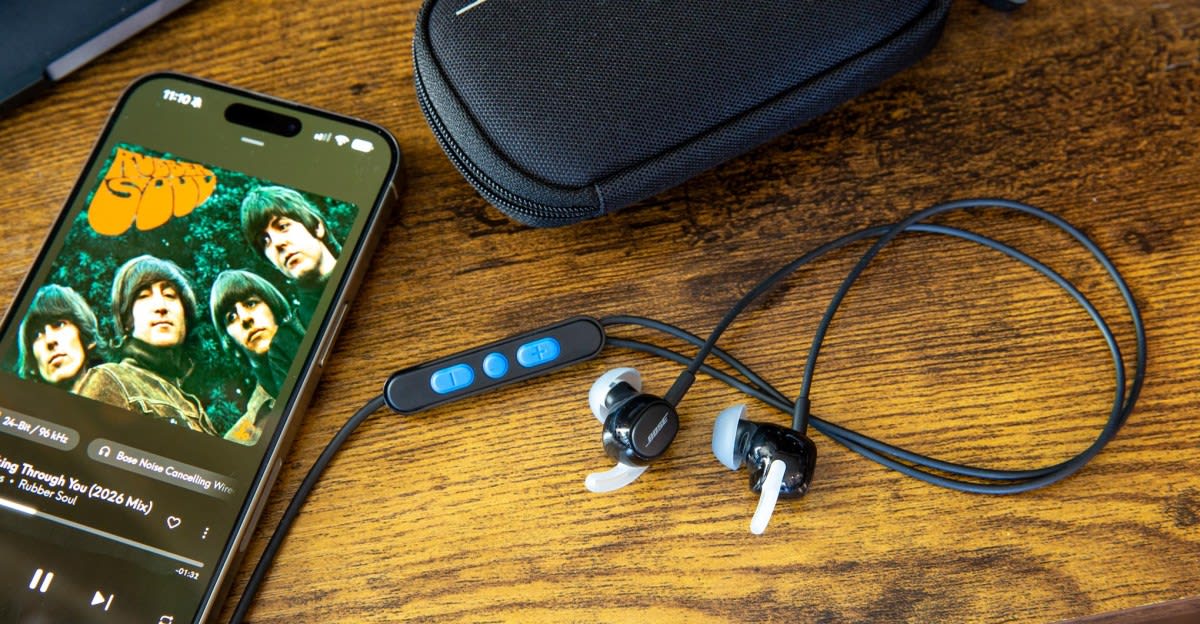
Wired earbuds are experiencing a surprising market resurgence after years of decline following the removal of headphone jacks. This trend is driven by aesthetic appeal among younger generations and the inherent functional benefits of corded audio technology.
The Wired Renaissance: A Shift in Audio Consumption
For nearly a decade, the consumer audio market has been defined by the rapid proliferation of Bluetooth technology. This shift was largely accelerated in 2016 when Apple, a trendsetter in consumer electronics, made the controversial decision to remove the traditional 3.5mm headphone jack from the iPhone. This move forced a mass migration toward wireless earbuds, leading to a five-year period of steady decline for wired audio equipment as the industry pivoted toward battery-dependent ecosystems.
Challenging the Wireless Hegemony
However, recent market data indicates a significant inflection point: after half a decade of contraction, sales of wired earbuds have begun to climb once again. This counter-intuitive growth suggests that the convenience of wireless connectivity—while popular—has not entirely supplanted the fundamental reliability of wired hardware. Consumers are increasingly revisiting legacy formats, proving that the "wireless-only" future predicted by tech giants may have been premature.
The Cultural Cachet of Analog Tech
Much of this resurgence is rooted in a broader cultural phenomenon: the romanticization of retro-technology. Similar to the revival of vinyl records and cassette tapes, wired earbuds have transitioned from obsolete utility to a style statement. Younger generations are embracing the aesthetic of the cord, with social media platforms like Instagram documenting the trend as celebrities are frequently spotted wearing wired sets. This demonstrates that audio gear is no longer just about sonic performance; it is a component of personal identity.
Functional Superiority and Longevity
Beyond aesthetics, the resurgence is bolstered by clear practical advantages. Wireless earbuds are inherently limited by the lifespan of their internal lithium-ion batteries, which inevitably degrade over time, leading to electronic waste. In contrast, wired earbuds operate without the need for internal power, ensuring a significantly longer functional lifespan. For users seeking durability and a "set it and forget it" experience, the corded connection remains superior.
Future Trends in Audio Hardware
As manufacturers like Bose begin to lean into this demand with new, simplified wired offerings, we may see a bifurcation in the market. While high-end wireless audio will continue to dominate the convenience sector, the "wired" segment is carving out a permanent niche among audiophiles and style-conscious consumers. This trend reflects a growing consumer resistance to planned obsolescence and a return to the simplicity of plug-and-play technology, signaling that the future of audio will likely be a hybrid landscape rather than a wireless monopoly.