Review: The Last Free Naga by Jim Wungramyao Kasom
Source Entity
Latest News: Todays Latest News Headlines from India & World | Hindustan Times | Hindustan Times
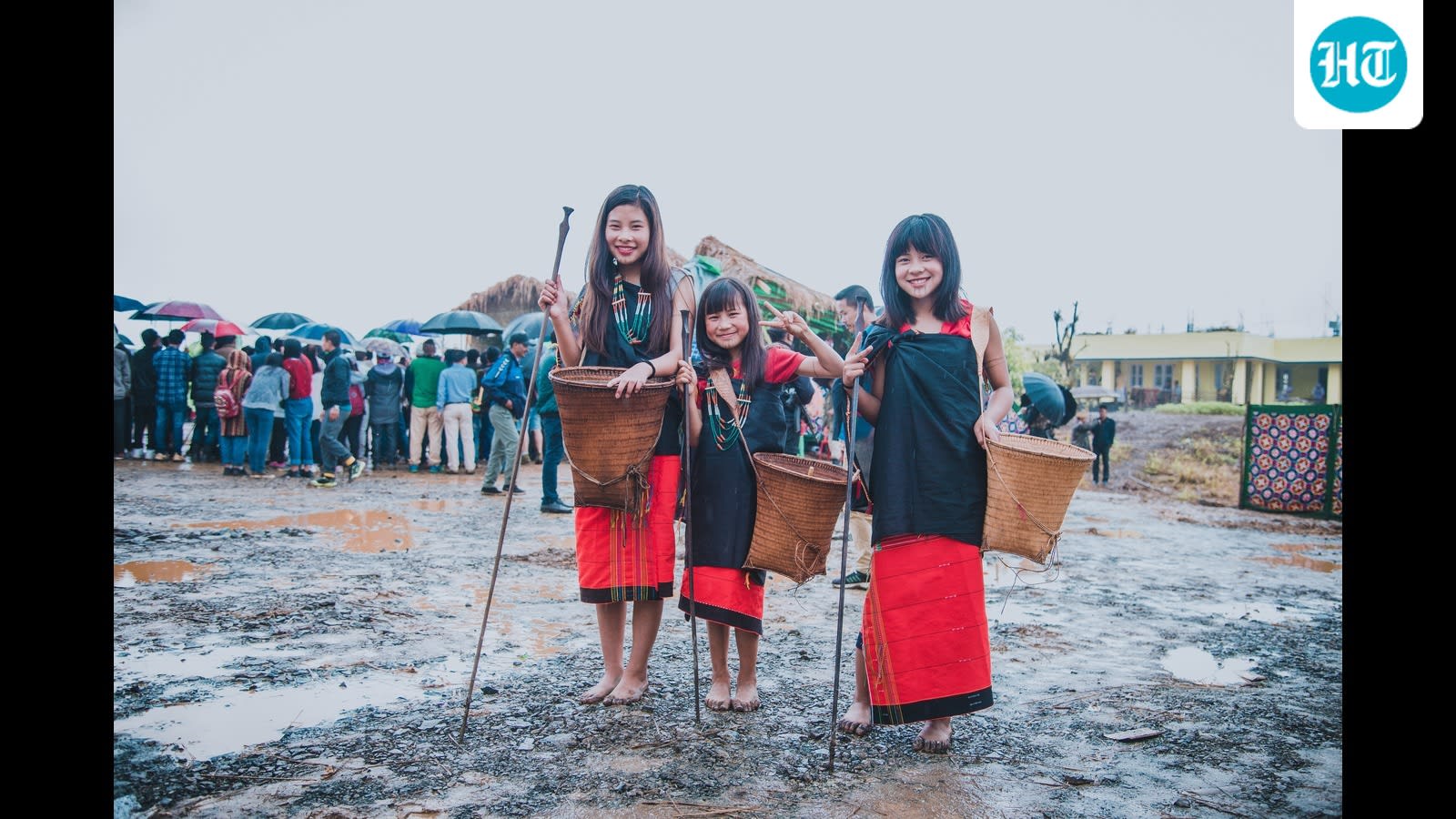
Jim Wungramyao Kasom's 'The Last Free Naga' offers a poignant look at Tangkhul Naga life in 1990s Manipur. The collection serves as a vital literary bridge to understanding the region's history amidst the ongoing ethnic conflict between Meiteis and Kuki-Zo communities.
Bridging the Gap: Literature as a Lens into Manipur
Jim Wungramyao Kasom’s recent collection, The Last Free Naga, arrives at a critical juncture in India’s socio-political landscape. By focusing on the lives of Tangkhul Nagas in 1990s Manipur, the book provides a necessary historical anchor for understanding the regional identity and the persistent atmosphere of volatility that has long characterized the state. These stories, set in remote villages, offer a window into a world often obscured by distance and indifference.
The Context of Current Strife
The relevance of Kasom's work is underscored by the tragic events of 2023, which saw the eruption of ethnic violence between the Meitei and Kuki-Zo communities. With nearly 60,000 people displaced and thousands of homes destroyed, the scale of the humanitarian crisis is staggering. Yet, as noted, this conflict has frequently failed to capture sustained national attention, highlighting a persistent disconnect between the North-Eastern states and the rest of India.
The Power of Narrative in Conflict Zones
Literature serves as a profound tool for empathy, capable of crossing the “borders of indifference” that often prevent the “mainland” from engaging with the struggles of the North-East. By centering the Tangkhul Naga experience—a demographic intricately woven into the fabric of Manipur’s history—Kasom’s stories challenge the reader to look beyond news headlines and into the lived realities of those affected by cycles of violence and historical marginalization.
Historical Echoes and Cultural Identity
The 1990s setting of the collection is particularly significant. During this period, the aspirations of the Tangkhul Naga community—often centered on education and the pursuit of boarding school opportunities in hill district headquarters—reflected a broader desire for stability and upward mobility. By revisiting this era, Kasom highlights the contrast between the hopes of the past and the fractured reality of the present.
The Persistence of Mysticism and Violence
What makes The Last Free Naga distinct is its ability to blend the everyday lives of villagers with the “spectre of violence” and the influence of local mysticism. This juxtaposition is essential for a holistic understanding of the region. It suggests that the history of Manipur cannot be reduced solely to political conflict; it is also a story of culture, belief, and the resilience of communities living under the shadow of persistent unrest.
Conclusion: A Call for Sustained Engagement
Ultimately, The Last Free Naga is more than a collection of short stories; it is a vital contribution to the discourse on Indian regional identity. By illuminating the experiences of the Tangkhul Nagas, Kasom forces a confrontation with the apathy that has characterized the national response to Manipur’s instability. To move forward, it is imperative that such narratives are integrated into the national consciousness, ensuring that the voices from the hills are not silenced by the noise of modern political discord.
Verification Required?