Rhiya Ahir, who stopped police van during protest, breaks silence on backlash for her potential Bigg Boss 20 entry
Source Entity
Latest News: Todays Latest News Headlines from India & World | Hindustan Times | Hindustan Times
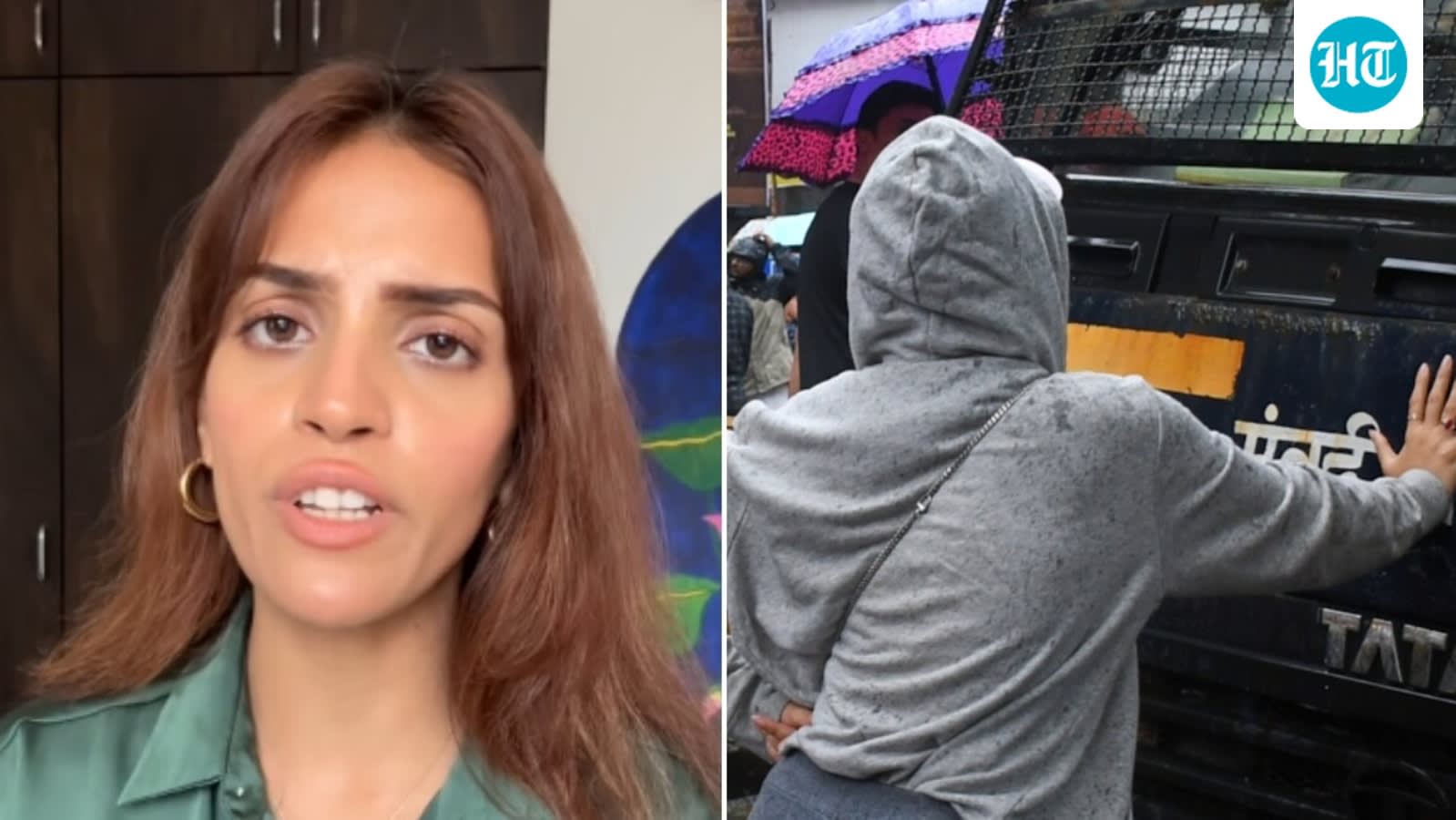
Viral NEET protest figure Rhiya Ahir is competing for a spot on Bigg Boss 20 via a public voting system. She has publicly addressed criticism from social media users who accused her of using the protests for personal gain.
The Intersection of Activism and Reality Television
The recent announcement that Rhiya Ahir, an individual who gained significant public attention for blocking a Mumbai Police van during NEET-related protests, is being considered for the upcoming season of Bigg Boss 20 marks a compelling convergence of social activism and mainstream entertainment. The reality show, hosted by Salman Khan, has reintroduced the 'Fans Ka Faisla' concept, a mechanism that empowers viewers to directly influence the casting process. In this instance, Ahir finds herself pitted against Love Gill, with their participation contingent upon a public voting mandate.
The Anatomy of the Backlash
Following the broadcast of the Bigg Boss promo, Ahir became the subject of intense online scrutiny. A significant portion of the public backlash stems from allegations that her involvement in the NEET protests was a calculated move to garner fame rather than a genuine expression of civic concern. This narrative highlights a growing skepticism among social media users regarding the authenticity of individuals who transition rapidly from viral protest videos to mainstream entertainment platforms, questioning the intent behind public demonstrations.
Digital Discourse and Public Perception
Ahir’s decision to utilize Instagram to address these accusations reflects a broader trend of influencers managing their public image in real-time. By highlighting specific comments from supporters and critics alike, she is attempting to contextualize her actions and mitigate the impact of the ‘fame-seeker’ label. This digital back-and-forth illustrates how reality television producers now leverage pre-existing viral fame to drive engagement, effectively blurring the lines between political participation and celebrity branding.
The 'Fans Ka Faisla' Mechanism
The reintroduction of the 'Fans Ka Faisla' format in Bigg Boss 20 serves as both a marketing tool and a litmus test for public opinion. By allowing the audience to vote on contestants like Ahir, the production team creates a sense of agency among viewers while simultaneously capitalizing on the existing polarization surrounding the candidates. This mechanism ensures that any potential contestant enters the house already bearing the weight—or the benefit—of their external public reputation.
Broader Implications for Future Casting
This event signals a potential shift in how reality television casts its participants. By selecting individuals who have already courted controversy in the public sphere, the show guarantees a built-in narrative arc that viewers are already invested in. However, this strategy risks professionalizing dissent, where protest actions may be increasingly viewed through the lens of potential reality TV auditions. As this trend continues, the distinction between genuine grassroots activism and strategic self-promotion will likely become increasingly difficult for the public to discern.
Verification Required?