Rhiya Ahir says she was reluctant to do Bigg Boss 20: ‘I have responsibilities after CJP protest’
Source Entity
Nawaz Javed Kochra
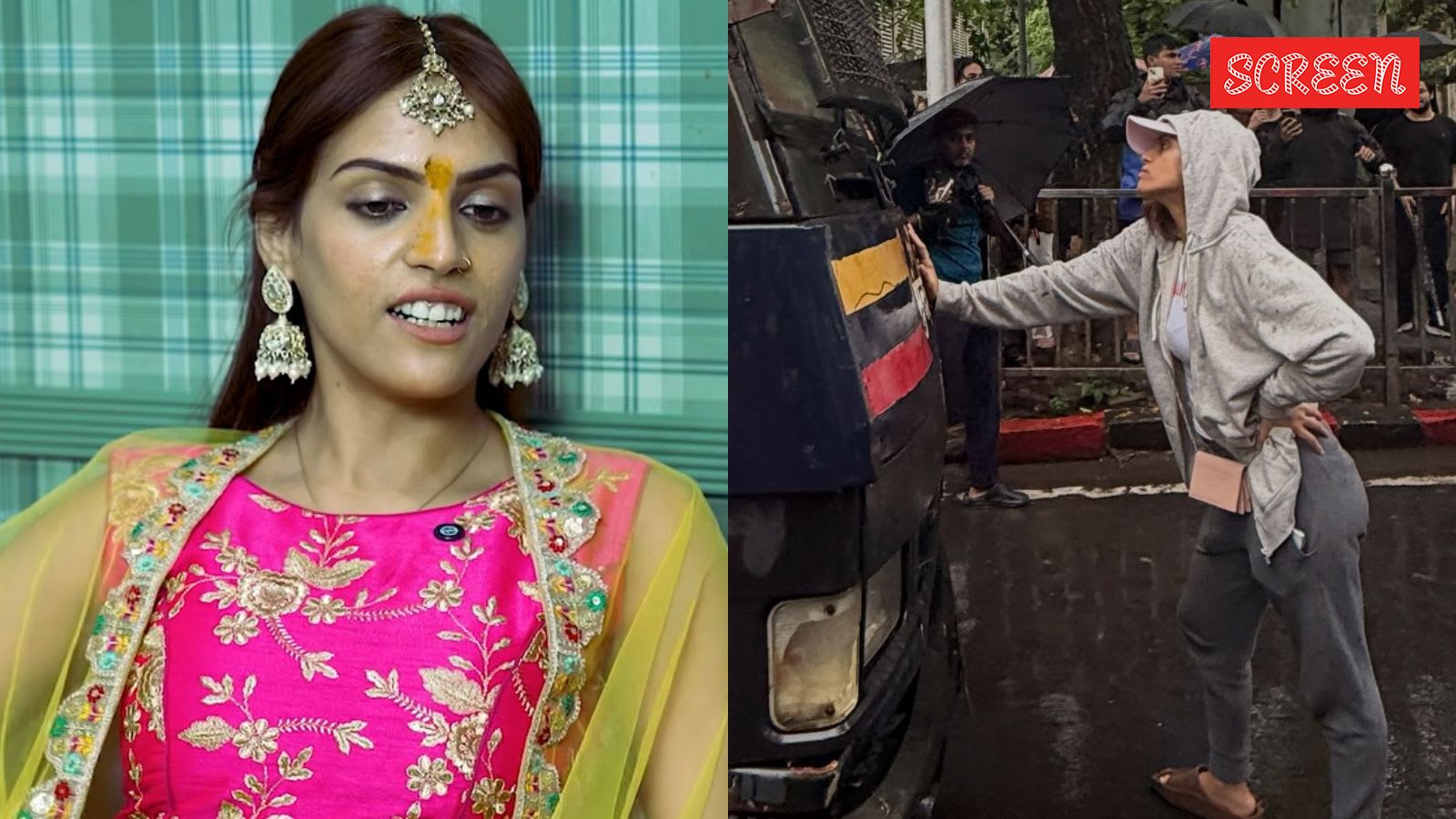
Rhiya Ahir, known for her role in recent NEET protests, is competing for a spot on Bigg Boss 20 via a public vote. She has addressed criticism regarding her participation, balancing her activist image with her entry into reality television.
The Intersection of Activism and Reality Television
The upcoming premiere of Bigg Boss 20, hosted by Salman Khan, has introduced a unique selection dynamic known as 'Fans ka Faisla.' This mechanism allows the audience to determine which contestants will officially enter the house, with Rhiya Ahir and Love Gill currently vying for that final admission. This development marks a significant moment where public sentiment, often forged in the fires of social or political discourse, directly impacts casting decisions for one of India's most popular reality television franchises.
The Rise of Rhiya Ahir
Rhiya Ahir initially entered the public consciousness due to her involvement in the protests surrounding the NEET paper leak in Mumbai. Her viral moment, which involved blocking a police van carrying protesters, transformed her into a symbol of student-led resistance. This specific act of civil disobedience garnered significant attention, leading many to label her as the 'face' of the movement. However, Ahir has pushed back against this singular classification, emphasizing that her identity extends far beyond her participation in the CJP-led demonstrations.
Navigating Public Perception and Backlash
Transitioning from an activist platform to a reality television contestant is rarely a seamless path. Ahir has publicly acknowledged receiving hate and accusations that she leveraged the protests to gain fame. Critics have questioned the sincerity of her activist roots, suggesting that her entry into Bigg Boss 20 is a strategic move for visibility. In response, Ahir has defended her decision, framing her participation as a personal choice that does not negate the validity of her previous advocacy or her commitment to her responsibilities.
The 'Fans ka Faisla' Dynamic
The 'Fans ka Faisla' format acts as a bridge between the digital landscape of social media activism and traditional broadcast media. By placing the power of entry in the hands of the audience, the show producers are effectively capitalizing on the existing popularity of candidates like Ahir. This creates a feedback loop where an individual's viral fame is monetized and repurposed for entertainment, highlighting the evolving nature of celebrity culture in the age of digital disruption.
Broader Implications for Reality TV
This situation underscores a growing trend in television casting: the recruitment of 'real-world' figures who have already established a brand or a following outside the entertainment industry. Whether these individuals are activists, influencers, or viral sensations, their entry into a high-stakes environment like Bigg Boss often brings pre-existing tensions into the house. The challenge for Ahir, as she navigates this transition, will be to maintain her authentic voice while operating within the highly curated and often volatile environment of a reality show.
Future Trends in Casting
Looking ahead, it is likely that we will see more reality programs pulling from the headlines of current affairs to drive engagement. As audiences increasingly look for 'relatable' figures who have demonstrated strong opinions or leadership in real-world scenarios, the boundary between political activism and mainstream entertainment will continue to blur. Rhiya Ahir’s experience serves as a case study for the complexities of this evolution, illustrating both the benefits of a pre-established platform and the significant risks of public scrutiny.