Rivian expands joint venture with VW to include AI assistant
Source Entity
Kirsten Korosec
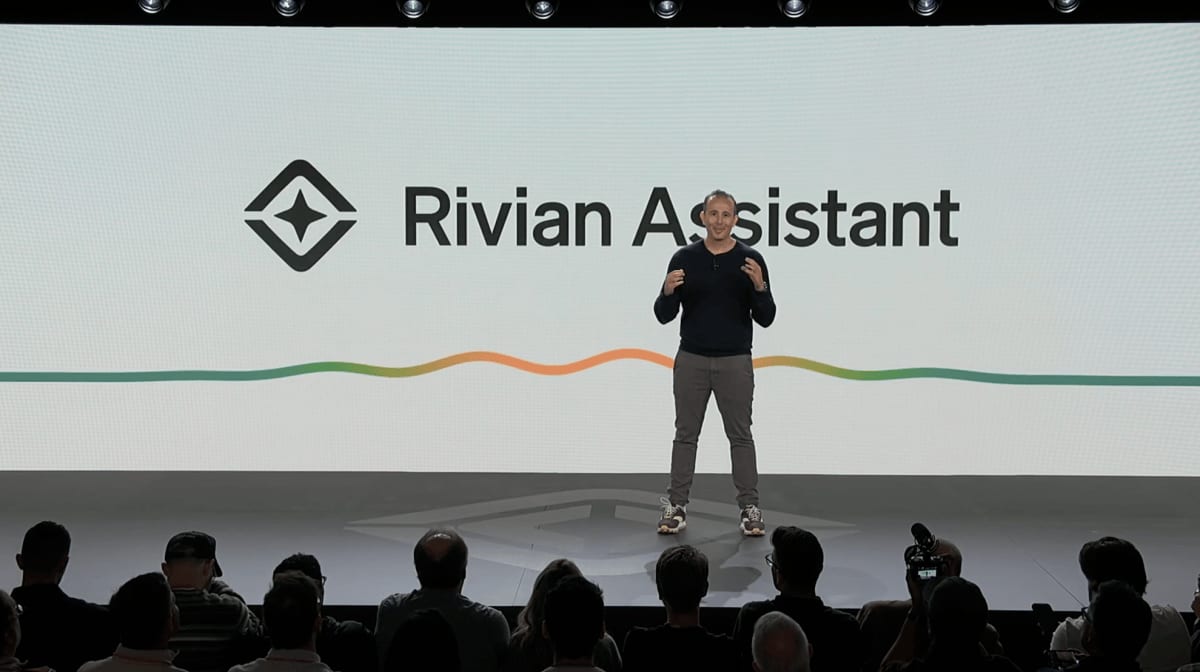
Rivian and Volkswagen have expanded their $5.8 billion joint venture to include the licensing of Rivian's AI voice assistant technology. This software integration is expected to debut in Volkswagen's upcoming low-cost ID EVERY1 electric vehicle.
Strategic Expansion of the Rivian-Volkswagen Alliance
The automotive landscape is undergoing a seismic shift as legacy manufacturers and EV-native startups converge to solve the complexities of modern vehicle software. The announcement that Rivian is expanding its $5.8 billion joint venture with the Volkswagen Group to include AI-driven voice assistant technology marks a significant deepening of this partnership. By licensing its proprietary software to one of the world's largest automakers, Rivian is signaling its transition from a pure-play vehicle manufacturer to a software-as-a-service (SaaS) provider for the broader automotive industry.
Integrating AI into the Volkswagen Ecosystem
While the financial specifics of this licensing deal remain undisclosed, the integration of Rivian's AI voice assistant into Volkswagen's product roadmap represents a major technological milestone. Voice-activated interfaces have become a critical component of the user experience in modern electric vehicles (EVs), acting as the primary hub for climate control, navigation, and entertainment systems. By offloading these complex software requirements to Rivian, Volkswagen aims to accelerate its digital transformation while maintaining its manufacturing scale.
The Role of the ID EVERY1
Central to this partnership is the upcoming Volkswagen ID EVERY1, a low-cost, four-door electric hatchback designed to capture the entry-level EV market. As the first vehicle slated to utilize Rivian’s software and electrical architecture, the ID EVERY1 serves as the testing ground for the joint venture's viability. This deployment suggests that Rivian’s technology is flexible enough to scale down from luxury adventure vehicles to more accessible, mass-market platforms, potentially setting a new standard for internal vehicle architecture.
Technical Architecture and Future Implications
This collaboration is rooted in the broader joint venture established in 2024, which seeks to fuse Rivian's agile software-defined vehicle approach with Volkswagen's deep manufacturing expertise. By centralizing electronic control units and software stacks, the partnership aims to reduce the overhead costs associated with developing proprietary vehicle OS platforms. This is a vital strategy for legacy automakers struggling to compete with the rapid iteration cycles of software-first competitors.
Market Outlook and Industry Trends
Looking ahead, the success of this AI integration could determine the longevity of the partnership. If the AI assistant provides a seamless user experience in the ID EVERY1, it could pave the way for wider adoption across other brands within the Volkswagen Group, including Audi, Porsche, and Scout. As the automotive industry shifts toward vehicles that improve over time via over-the-air updates, Rivian’s role as the software backbone for Volkswagen positions it as a key player in the future of the software-defined vehicle era.