Robot brain builders are pushing out of their GPT-2 era
Source Entity
Tim Fernholz
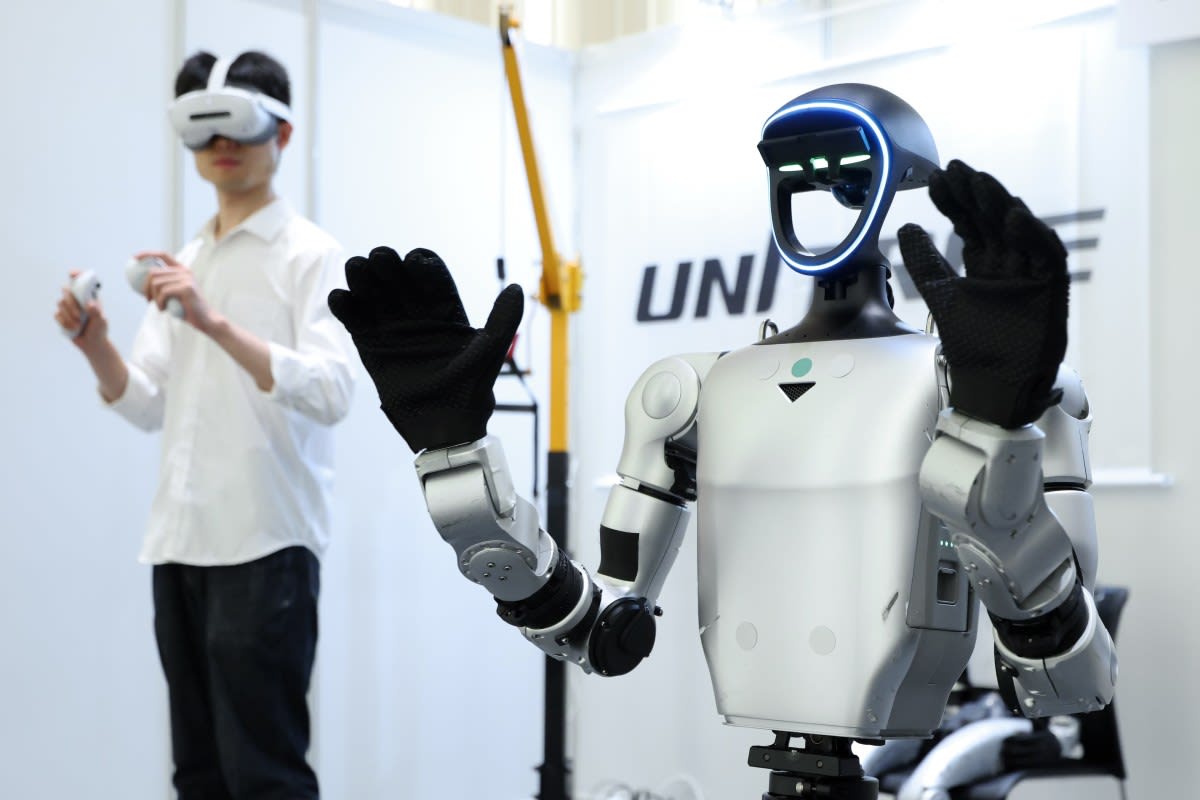
The robotics industry is facing a reality check as investors grapple with the gap between high valuations and the actual utility of AI-powered robot brains. Despite massive venture capital interest, companies like Unitree are struggling to bridge the divide between physical mobility and task-oriented intelligence.
The Robotics Reality Check: Bridging the Intelligence Gap
The Hype Cycle vs. Practical Utility
Recent developments in the robotics sector highlight a growing tension between massive venture capital influx and the tangible capabilities of current AI architectures. While the application of Large Language Model (LLM) frameworks to physical robotics—often termed 'Physical AI'—has ignited investor enthusiasm, the industry is currently undergoing a painful correction. The core issue is not a lack of physical agility, but a significant deficit in the 'brains' required to translate fluid movement into value-creating labor.
Unitree and the Volatility of Market Expectations
The recent trajectory of Unitree serves as a cautionary tale for the sector. After achieving a valuation of $66 billion upon its debut on China’s version of the NASDAQ, the company experienced a rapid decline, losing nearly half its market value within a single week. This volatility underscores a growing skepticism among investors who are beginning to demand proof of concept beyond mere hardware prowess. While Unitree remains a leader in China’s robotics market, the market correction indicates that physical mobility is no longer sufficient to justify premium valuations.
The Evolution of 'Physical AI'
Industry analysts are increasingly comparing current robotic limitations to the early stages of generative AI, suggesting that we are moving out of a 'GPT-2 era' of robotics. Just as LLMs required iterative refinement to move from basic pattern recognition to complex reasoning, robotic brains are currently struggling to move from scripted movement to autonomous task execution. The industry is effectively waiting for a breakthrough in world-modeling that allows robots to navigate unstructured environments and perform useful, non-repetitive work.
A Growing Ecosystem of Developers
Despite the market turbulence, the community behind these innovations continues to expand rapidly. The Actuate conference, which serves as a bellwether for the 'AI brain' development space, has tripled in size since its inception in 2023. With 1,500 attendees, the event demonstrates that while the commercial market is volatile, the technical talent pool is deeply committed to solving the cognitive hurdles that prevent robots from becoming ubiquitous in industrial and commercial settings.
Future Trends and Strategic Outlook
Looking ahead, the focus of the robotics industry will likely shift from hardware acceleration to software-defined intelligence. Future investments will prioritize companies that can demonstrate actionable, task-oriented autonomy rather than those that simply showcase impressive physical maneuvers. As the 'Physical AI' sector matures, we can expect a consolidation phase where only firms capable of bridging the gap between sophisticated AI models and real-world utility will survive the current economic scrutiny.
Conclusion
The robotics industry stands at a critical juncture where the promise of AI-integrated machines must finally meet the reality of practical application. While the recent market correction was severe, it reflects a necessary transition toward a more mature investment landscape that prioritizes functional output over speculative hype.