TechCrunch Mobility: Two roads diverged — for robotaxis
Source Entity
Kirsten Korosec
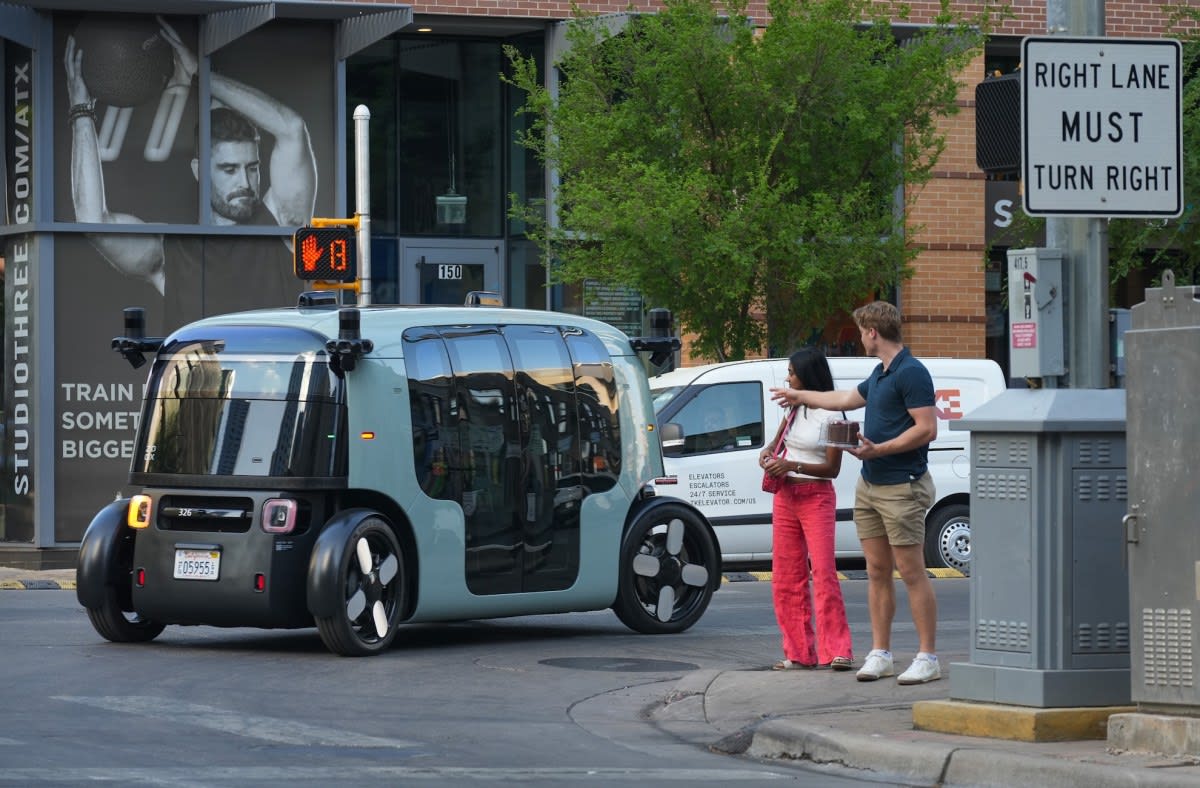
The autonomous vehicle industry is currently experiencing a regulatory tug-of-war between federal support and local skepticism. While the NHTSA pushes to accelerate deployment, state and local authorities are increasingly raising concerns regarding safety and oversight.
The Regulatory Schism in Autonomous Transportation
The autonomous vehicle (AV) industry is currently navigating a complex period of maturation, marked by a significant divergence in regulatory philosophy. As artificial intelligence continues to redefine the capabilities of transportation, the fundamental question of how to govern these systems has created a friction-filled landscape. On one side, federal regulators are attempting to foster innovation, while on the other, local jurisdictions are prioritizing public safety and community oversight.
Federal Acceleration: The NHTSA Approach
The National Highway Traffic Safety Administration (NHTSA) has recently signaled a proactive stance aimed at streamlining the deployment of autonomous technology. By focusing on cutting red tape, the federal government is attempting to establish a national framework that prevents a patchwork of conflicting state laws. This strategy is designed to provide a predictable environment for manufacturers to scale their operations, under the assumption that AI-driven transport will eventually offer superior safety outcomes compared to human drivers.
The Local Pushback: Safety and Oversight
Conversely, state and local officials are increasingly pumping the brakes, citing concerns over public safety, infrastructure preparedness, and a lack of transparency from tech developers. This local skepticism is not merely a bureaucratic hurdle; it represents a fundamental tension between the rapid pace of technological iteration and the slower, more cautious speed of public policy. Local governments argue that they are the first responders to accidents and traffic disruptions, necessitating a greater role in the governance of robotaxis on their streets.
The Role of Artificial Intelligence
At the core of this conflict is the rapid integration of AI into vehicle navigation and decision-making processes. As these systems become more autonomous, the margin for error narrows. The federal government’s recent announcements suggest a belief that current testing protocols are sufficient to move toward broader deployment, whereas local authorities remain wary of the 'black box' nature of AI decision-making in unpredictable urban environments.
Future Trends and Market Implications
Looking ahead, the industry is likely to experience continued volatility as these competing regulatory interests clash. If federal agencies continue to prioritize the acceleration of deployment, we may see an increase in legal battles between federal authorities and municipalities. Conversely, if local pushback gains momentum, it could force developers to slow their rollout, potentially impacting investor confidence and the long-term feasibility of current autonomous business models.
Conclusion
The future of the robotaxi industry hinges on the resolution of this regulatory dichotomy. For the industry to successfully transition from experimental pilot programs to ubiquitous public transit, a middle ground must be found that addresses local concerns while maintaining a cohesive national standard. Until then, the sector will remain a prime example of the challenges inherent in introducing disruptive technology into public infrastructure.