Show HN: Simple algorithm and color space to generate diverse skin tones
Source Entity
Hacker News
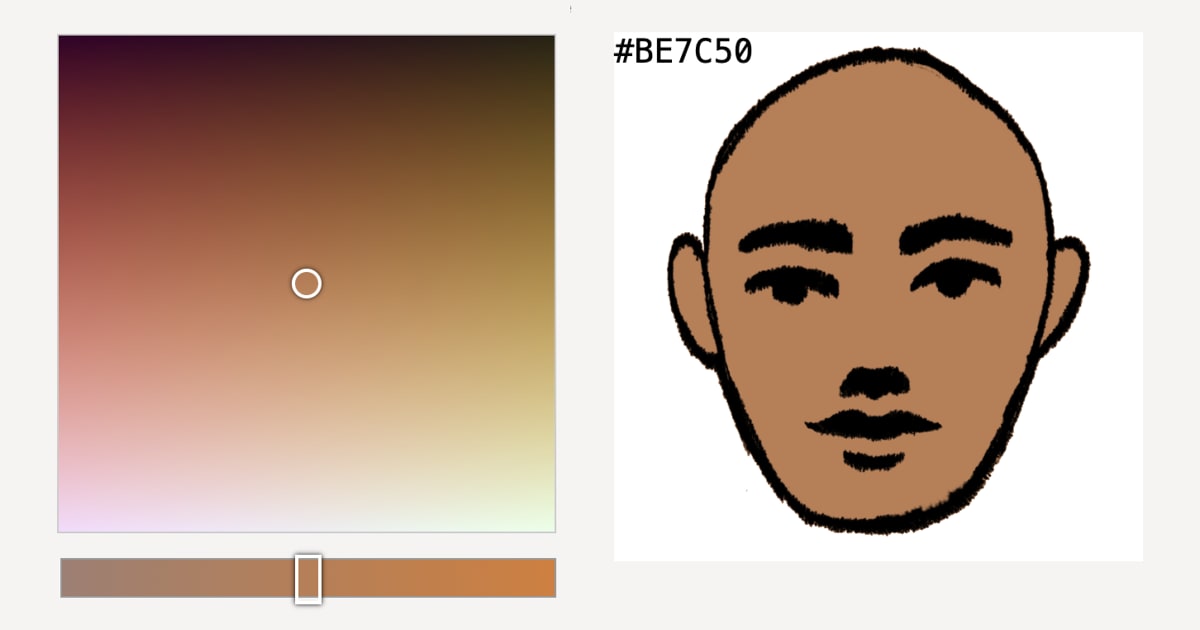
A developer has released a new algorithm and custom color space designed to accurately represent diverse human skin tones in digital tools. The project provides open-source code to help creators build more inclusive character systems and art applications.
Bridging the Gap in Digital Representation
The recent release of a specialized algorithm and color space for skin tones marks a significant step toward improving inclusivity in digital design. Historically, digital color representation has often relied on generic palettes that fail to capture the nuanced spectrum of human pigmentation, leading to limited options in character creators and artistic software. By developing a dedicated color space, the author provides a technical foundation that allows developers to move beyond the constraints of standard RGB models, which were never optimized for the complexities of skin tone diversity.
The Mechanics of Inclusive Color
At the core of this project is a mathematical approach to color mapping. The author introduces a system that allows for the procedural generation of skin tones, moving away from rigid, pre-selected color swatches that often exclude marginalized groups. By providing both JavaScript-based color pickers and Python-based algorithms, the project ensures that the underlying logic is accessible to a wide range of developers, regardless of their preferred tech stack. This utility is particularly vital for game designers and digital artists who aim to reflect real-world demographic diversity in their virtual environments.
Why Specialized Color Spaces Matter
Standard color spaces like sRGB or Adobe RGB are designed for general display performance rather than the specific biological parameters of human skin. Human skin is translucent and contains complex layers of melanin and hemoglobin, which standard digital tools often flatten. This new project addresses the need for a 'good enough' color space that serves as a practical middle ground—balancing scientific accuracy with ease of implementation for software developers. The focus on 'R²' and spherical coordinate adjustments within the picker suggests a sophisticated attempt to map these biological nuances into a navigable user interface.
Broader Implications for Tech Equity
This project serves as a reminder that inclusivity in technology is often a matter of algorithmic intent. When developers rely on default color palettes provided by operating systems or standard libraries, they inadvertently perpetuate a narrow view of what 'skin color' looks like. By open-sourcing this math, the project empowers individual creators to challenge these defaults. This is not merely an aesthetic improvement; it is a structural change that allows for more authentic self-expression in digital spaces, from professional digital art to casual social media avatar customization.
Future Trends in Digital Diversity
Looking forward, we can expect to see more specialized color models emerge as the demand for digital representation grows. As AI-generated content and procedural animation become more prevalent, the need for robust, bias-free color algorithms will only increase. This project provides a blueprint for how developers can build systems that are inherently inclusive by design rather than by afterthought. By prioritizing the accessibility of this math, the author is fostering a community-driven approach to solving long-standing technical gaps in representation.
Conclusion
Ultimately, this initiative highlights the intersection of mathematics, art, and social responsibility. By providing the tools to accurately depict the diversity of human skin, the author has contributed a valuable resource to the developer community. As more creators integrate these algorithms into their applications, the digital landscape will likely become a more welcoming and accurate reflection of the world it seeks to represent.