Why students are being paid £2,000 to play computer games
Source Entity
BBC News
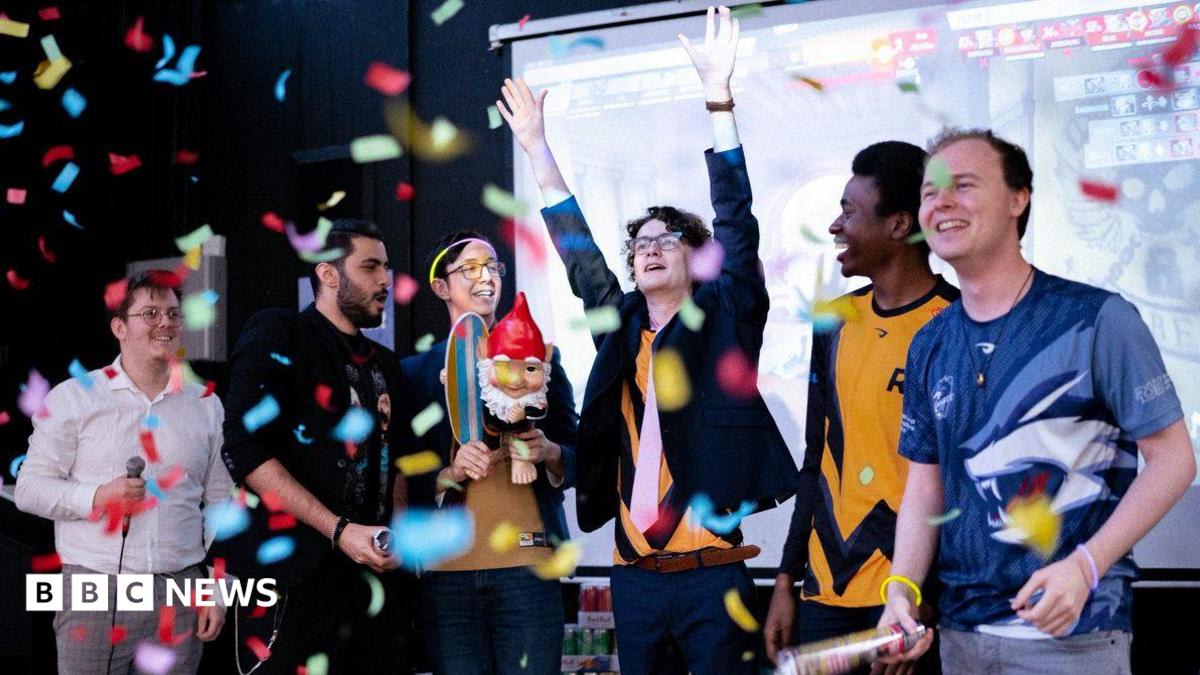
Roehampton University is offering £2,000 annual esports scholarships to students, aiming to support competitive gamers during their studies. This initiative highlights the growing recognition of esports as a legitimate discipline within higher education.
The Rise of Esports in Higher Education: The Roehampton Initiative
As the landscape of higher education evolves, universities are increasingly seeking innovative ways to attract talent and support student welfare. The University of Roehampton has emerged as a pioneer in this regard, offering an annual scholarship of £2,000 to students who demonstrate excellence in competitive gaming. This program, which has already benefited over 100 students, serves as a bridge between traditional academic pursuits and the burgeoning world of professional esports.
Bridging the Financial Gap
Financial anxiety remains a cornerstone of the university experience, particularly as the cost of living continues to rise. Despite the availability of millions of pounds in unclaimed scholarships and bursaries annually, many students remain unaware of these opportunities. By formalizing esports as a scholarship-worthy endeavor, Roehampton is not only providing direct financial aid but also highlighting the importance of seeking out diverse funding streams that align with modern student interests and extracurricular expertise.
Defining the Esports Discipline
To understand the significance of this scholarship, one must distinguish between casual gaming and esports. Esports, or electronic sports, involves high-level competitive video gaming played in front of live or online audiences, mirroring the structure and spectator engagement of traditional sports. By treating these competitions with the same institutional rigor as varsity sports, the university validates the dedication, strategic thinking, and teamwork required to succeed in the digital arena.
Balancing Academics and Competition
One of the most pertinent questions surrounding this initiative is whether students can successfully balance the high demands of university coursework with the rigorous training schedules required for competitive gaming. The scholarship acts as a form of institutional support, potentially allowing students to focus more on their academic performance by alleviating the burden of part-time employment. This model suggests a future where universities act as incubators for both intellectual and digital talent.
Broader Implications and Future Trends
The Roehampton model may well signal a shift in how higher education institutions perceive digital literacy and extracurricular engagement. As esports continues to grow in global popularity, we can expect more universities to integrate similar programs to remain competitive in student recruitment. This trend suggests that the 'next generation' of students will be defined not just by their grades, but by their ability to translate digital skills into tangible academic and financial benefits.
Conclusion
In conclusion, the University of Roehampton’s esports scholarship program represents a forward-thinking approach to student support and the professionalization of gaming. By recognizing the value of competitive play, the university is helping to redefine the modern campus experience, ensuring that students are supported both in the lecture hall and on the digital stage.