India didn’t lose to Ireland and England. It lost to its own excuses
Source Entity
Sandeep Dwivedi
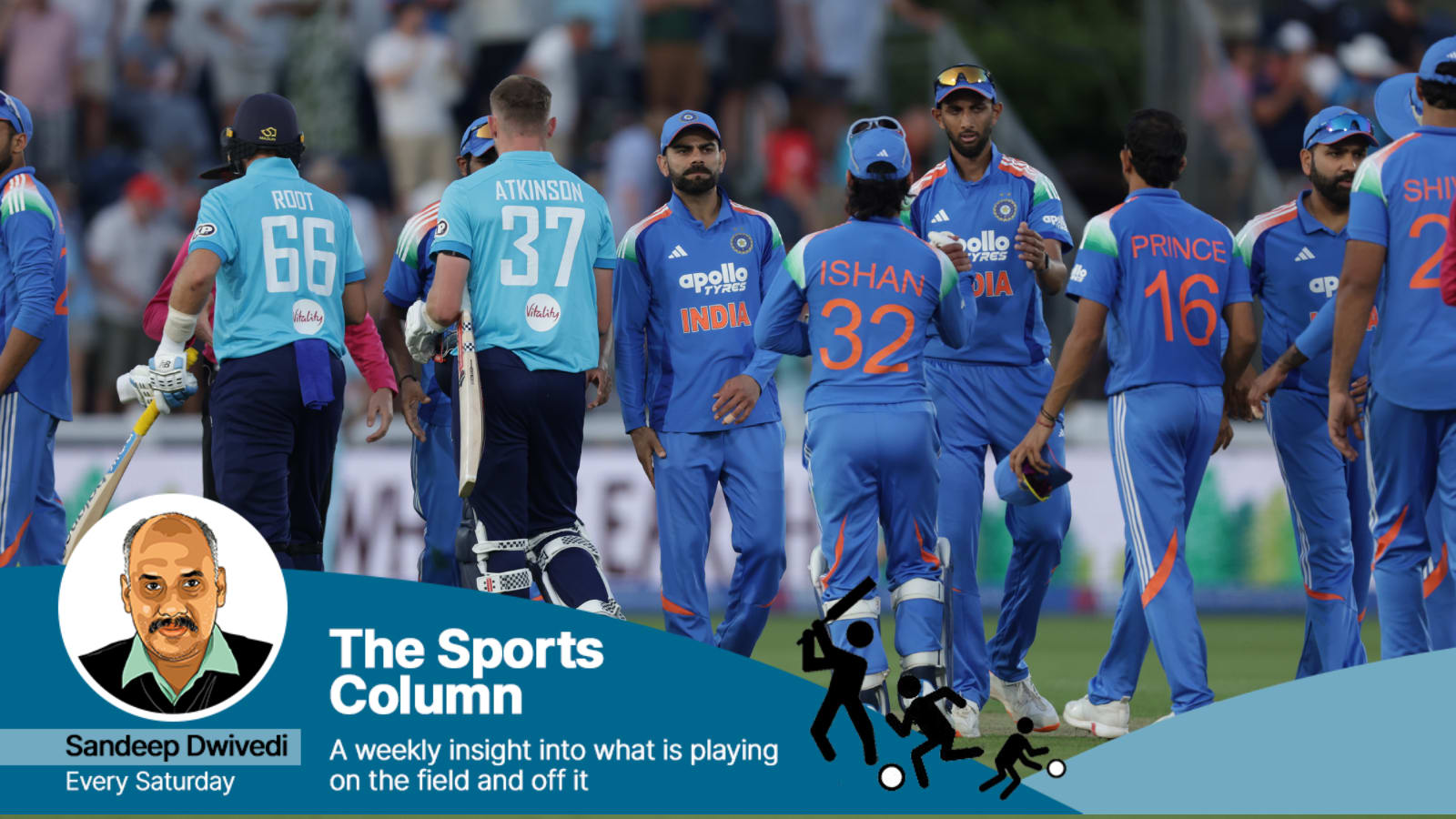
Former cricketer AB de Villiers has backed Rohit Sharma for the 2027 World Cup, despite growing concerns over the batter's age and recent form. India's struggles in the UK tour have sparked intense debate regarding team fitness, succession planning, and the transition from IPL-style cricket to international conditions.
The Rohit Sharma Conundrum: Balancing Legacy and Future Aspirations
Recent developments in Indian cricket have placed veteran opener Rohit Sharma at the center of a complex debate. While AB de Villiers has publicly endorsed Sharma’s inclusion in India’s 2027 World Cup plans, citing the invaluable experience and belief he brings to the dressing room, the reality on the ground remains polarized. The discussion surrounding Sharma is no longer just about runs; it is a tug-of-war between the weight of his past contributions and the urgency of modernizing a squad that has struggled in challenging overseas conditions.
The Metrics of Performance vs. Age
Despite being the highest run-scorer in ODIs since the 2023 World Cup and the only opener to aggregate over 1,000 runs in that period, Sharma finds his position under scrutiny. The primary driver for this skepticism is his age, as he approaches 40. Critics argue that age is becoming the defining metric for his readiness, overshadowing his technical prowess. This creates a difficult paradox for selectors: how to replace a player who continues to produce numbers, yet is perceived as a barrier to the necessary transition toward a younger, more agile squad.
The UK Tour and the Fitness Crisis
The recent tour of Ireland and England served as a harsh reality check for Indian cricket. The team lost six out of nine away ODIs under head coach Gautam Gambhir, a statistic that has prompted deep introspection. Beyond the scoreboard, reports highlight a concerning lack of physical fitness, with multiple players appearing "out-of-shape" and struggling with the energy demands required for English pitches. This failure to adapt quickly from the flat tracks of the IPL to the demanding conditions in the UK has raised questions about the team’s professional preparation and conditioning standards.
Transition Challenges and Succession Planning
The frustration surrounding the team’s performance is compounded by the belief that India lost to its own excuses rather than superior opposition. The failure to seamlessly integrate IPL stars into the international setup, coupled with a sluggish adjustment to foreign conditions, suggests a structural issue in how the team prepares for high-stakes overseas series. The "RoKo" (Rohit-Kohli) era has been a dominant theme in Indian cricket, but as the team faces consecutive series losses, the pressure to accelerate succession planning has intensified.
Future Trends and Strategic Outlook
Looking ahead, the selectors face a critical juncture. While de Villiers advocates for the stability provided by veterans, the performance data from the UK tour suggests a need for a more dynamic, fitter unit. As the team looks toward the 2027 World Cup, the challenge will be to balance the wisdom of senior players like Sharma with the need for a high-intensity fielding and batting core. Whether Sharma remains a part of this future will likely depend on whether selectors continue to prioritize current run-scoring statistics or pivot entirely toward a long-term youth-focused rebuild.
Multiple Citing Sources