Romanian F-16 Shoots Down Sea Drone Near Black Sea Gas Project Amid Rising Security Fears
Source Entity
Latest News: Todays Latest News Headlines from India & World | Hindustan Times | Hindustan Times
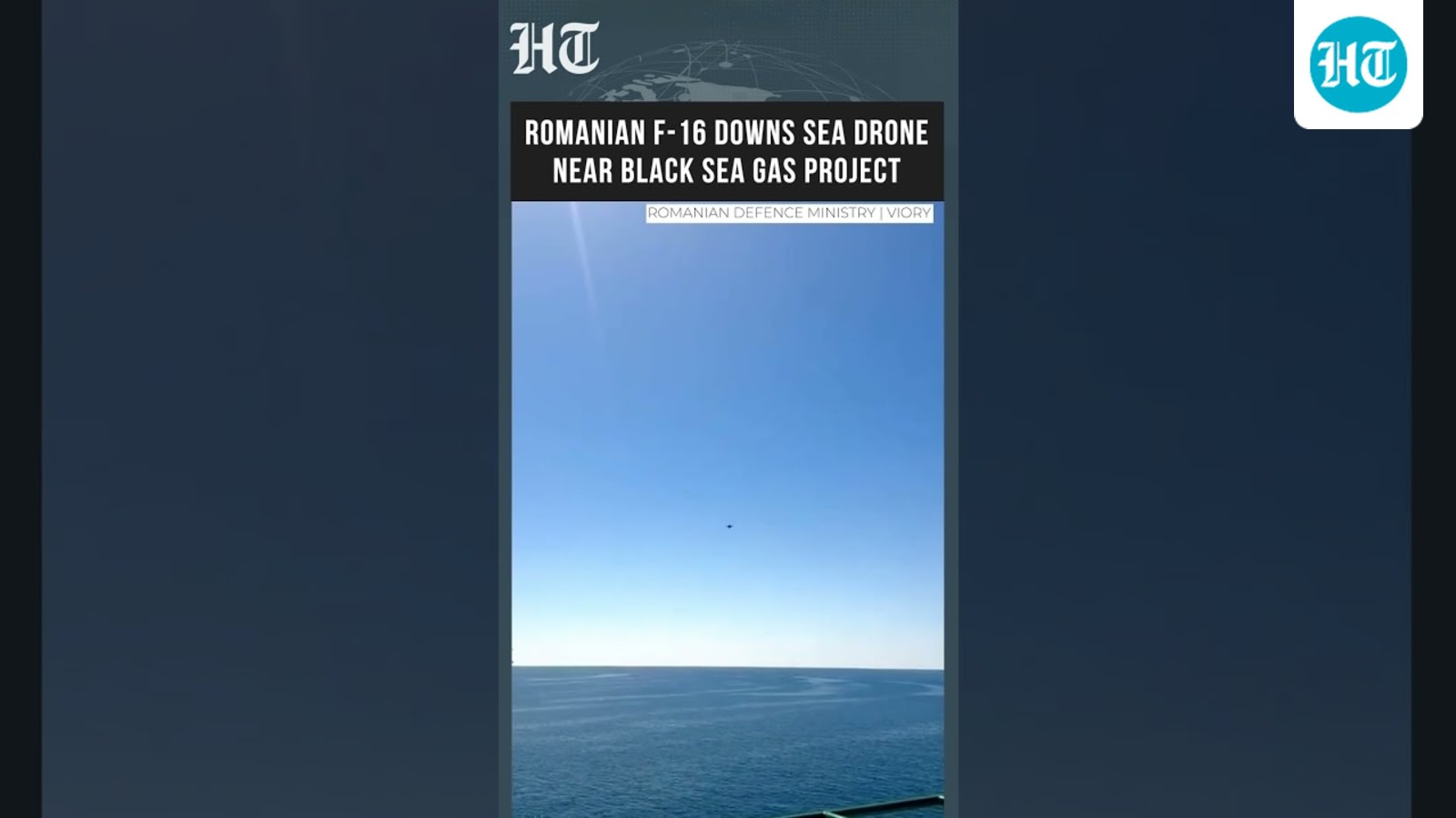
Romania successfully neutralized an explosive-laden Russian marine drone near the strategic Neptun Deep gas project in the Black Sea. This incident highlights escalating security risks to critical European energy infrastructure amid the ongoing conflict in Ukraine.
The Escalation of Black Sea Maritime Threats
The recent interception of an explosive-laden marine drone by a Romanian F-16 fighter jet near the Neptun Deep gas project marks a significant escalation in the security challenges facing European energy infrastructure. As the conflict in Ukraine continues to exert pressure on regional stability, the proximity of this incident to a critical offshore facility underscores the vulnerability of vital energy assets to unconventional maritime warfare tactics.
Strategic Importance of Neptun Deep
The Neptun Deep project is not merely a commercial venture; it is a cornerstone of European energy security. Once fully operational by 2027, this project is poised to establish Romania as the largest natural gas producer within the European Union. By targeting this specific location, the deployment of an unmanned surface vehicle (USV) represents a calculated move to threaten both the economic future of the region and the physical safety of the hundreds of workers currently engaged in the platform's installation.
Tactical Response and Military Readiness
The Romanian Air Force’s decision to scramble F-16 fighters demonstrates a robust shift toward proactive defense. By utilizing aerial assets to disable the drone boat before it could reach the platform, the military successfully averted a potentially catastrophic humanitarian and environmental disaster. This action highlights the necessity of integrated surveillance and rapid-response capabilities in protecting offshore infrastructure against the evolving threat of autonomous weapon systems.
The Shadow of Regional Conflict
This incident is not an isolated event but rather part of a broader pattern of spillover from the war in Ukraine. Romania, a NATO member, has increasingly dealt with unauthorized incursions, including the destruction of drones in its airspace. The accusation by Romanian officials that the marine drone originated from Russian activity serves as a stark reminder that the Black Sea has become a primary theater for both conventional and hybrid warfare, where the lines between military objectives and civilian infrastructure are increasingly blurred.
Future Implications for Energy Security
Looking ahead, this development will likely force a reassessment of security protocols for all critical energy infrastructure across the Black Sea basin. Operators and governments must now account for the reality that maritime drones can be deployed with the intent to cause mass casualties and disrupt energy supplies. The integration of advanced detection systems and a permanent military presence around offshore platforms will likely become the new standard, as the cost of inaction poses too high a risk to regional energy independence.
Multiple Citing Sources
Verification Required?