Varanasi ghats hit by rising Ganga: Cremations move to rooftops, boat services stopped
Source Entity
Manish Sahu
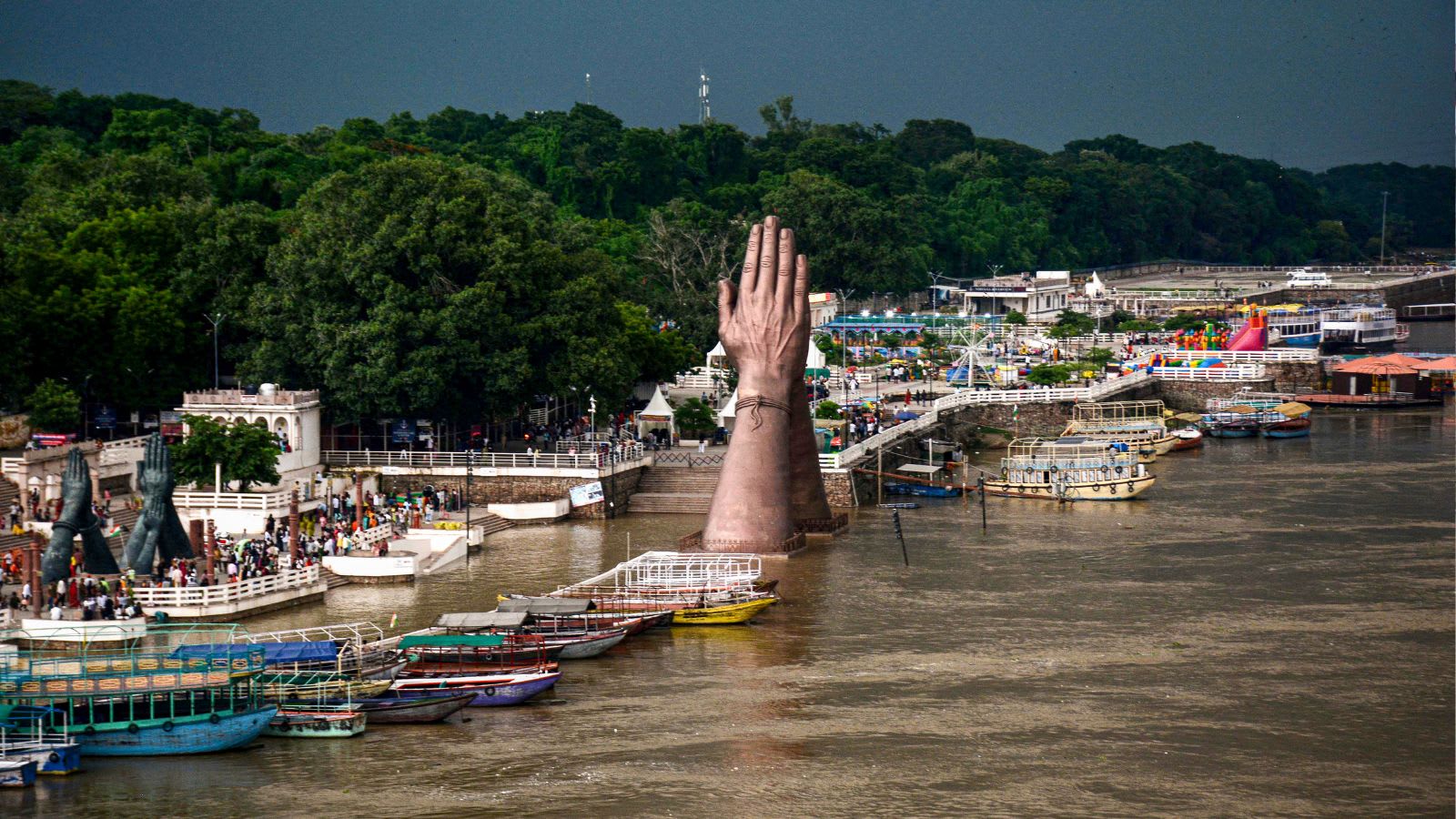
The rising waters of the Ganga in Varanasi have severely disrupted daily life, forcing traditional cremations to move to rooftops. Authorities have suspended boat services as the river nears critical levels following heavy rainfall.
The Rising Ganga: A Crisis at Varanasi’s Historic Ghats
The historic city of Varanasi is currently grappling with the consequences of an overflowing Ganga river, triggered by an intense spell of heavy rainfall. The rising water levels have significantly altered the landscape of the city’s iconic ghats, most notably at Namo Ghat and the revered Manikarnika Ghat. These sites, which serve as the spiritual and functional heart of the city, are now facing operational challenges that threaten the continuity of age-old traditions.
Disruption of Cremation Rites
At Manikarnika Ghat, one of the most sacred cremation grounds in Hinduism, the encroaching water has inundated the lower levels, forcing a logistical shift. Shalu Chaudhary, a representative of the Dom community—who are the traditional custodians of the cremation fires—has confirmed that rites are now being performed on rooftops. This shift is a rare and stark indicator of the severity of the flooding, as these ceremonies are deeply embedded in the physical architecture of the ghats.
Operational Challenges and Risks
While the current volume of cremations remains manageable, there is palpable concern regarding the potential for future bottlenecks. Should the water levels continue to rise or the number of arrivals increase, the temporary infrastructure on rooftops may struggle to accommodate the demand. The Dom community, essential to the functioning of these rituals, is monitoring the situation closely as the river encroaches further into the city's infrastructure.
Impact on Local Economy and Transport
Beyond the spiritual significance, the flooding has brought a halt to boat services, which are a vital component of Varanasi's local transport and tourism sector. The suspension of these services directly impacts the livelihoods of boatmen and limits the movement of pilgrims and tourists who frequent the riverside. This disruption highlights the vulnerability of river-dependent economies in the face of extreme weather events.
Broader Environmental Context
This event underscores the increasing volatility of the Ganga’s water levels during monsoon seasons. As climate patterns become more unpredictable, cities built along riverbanks, like Varanasi, are increasingly susceptible to such disruptions. The proximity of the flooded areas to the Kashi Vishwanath Temple emphasizes the intersection of urban geography and natural water cycles, necessitating better disaster management strategies for these heritage sites.
Conclusion
As Varanasi faces this environmental challenge, the resilience of the local community is being tested. The migration of sacred rituals to rooftops is a temporary solution to a recurring environmental problem. Moving forward, the city will need to balance the preservation of its ancient traditions with the increasing necessity for robust flood mitigation and urban planning to protect both the residents and the sanctity of the ghats.