‘No Muslims, tilak for attendees’: VHP’s rule for Navratri garba-dandiya events across Maharashtra
Source Entity
The Indian Express
RSS chief Mohan Bhagwat's recent international rhetoric on universalism contrasts sharply with the VHP's exclusionary policies in Maharashtra. Critics view this dichotomy as a tactical rebranding of Hindutva rather than a fundamental ideological shift.
The Dual Narrative of the RSS
Recent speeches by Rashtriya Swayamsevak Sangh (RSS) Sarsanghchalak Mohan Bhagwat, particularly during his visit to New York, have sparked an intense debate regarding the organization's evolving public image. Bhagwat has utilized international forums to redefine the RSS's stance on minorities, specifically Muslims, aiming to counter long-standing critiques of the organization’s role within a secular democracy. By positioning the RSS as an advocate for 'universal oneness' and critiquing the philosophical foundations of neoliberalism, Bhagwat seeks to project an image of India aspiring to be a 'vishwaguru' (world teacher) rather than a traditional superpower.
The Debate Over Ideological Shifts
Observers are deeply divided on the authenticity of this messaging. Proponents view these speeches as a significant repositioning of the RSS's ideological framework. However, critics argue that this is merely a tactical evolution. Skeptics point out that while Bhagwat speaks of diversity, his articulation often frames it as a 'decoration' or 'beautification' of unity, rather than the core, inseparable element of Indian identity. This leads to accusations that the organization is attempting to make Hindutva more palatable to global audiences by adopting a more moderate tone while retaining its foundational principles.
The Reality on the Ground
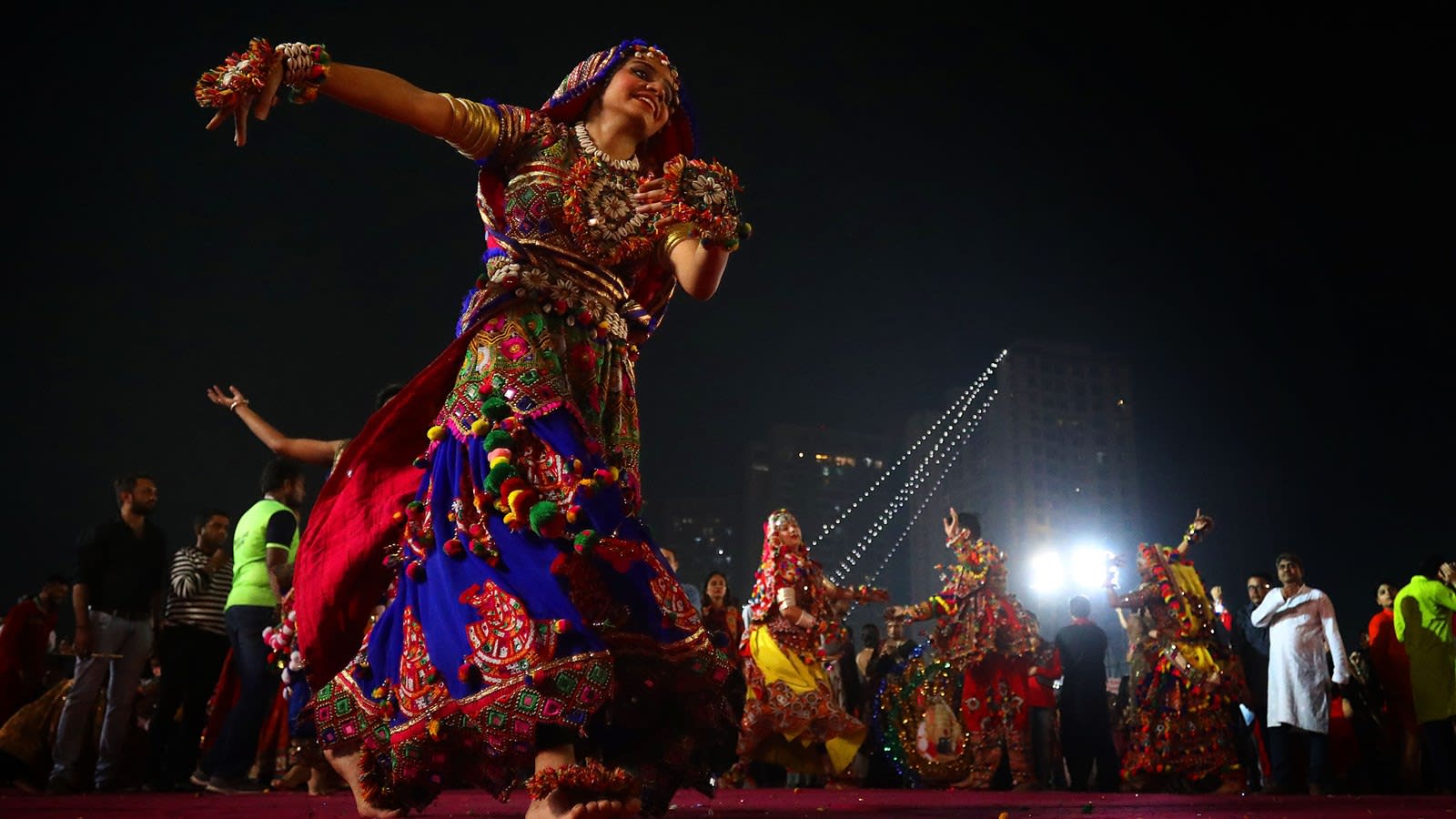
This rhetorical shift at the top level is being challenged by actions taken by affiliate organizations. Barely a week after Bhagwat’s discourse on universalism, the Vishwa Hindu Parishad (VHP) announced strict prohibitions regarding Navratri celebrations in Maharashtra. The VHP has mandated that Muslims be barred from garba and dandiya events, further requiring Aadhaar card verification and the application of a tilak to ensure the 'Hindu identity' of attendees. This creates a striking paradox between the global messaging of the RSS leadership and the grassroots enforcement of exclusionary practices by its ideological affiliates.
Contradictions and Institutional Cohesion
The disconnect between Bhagwat’s international rhetoric and the VHP's local directives highlights the complex structure of the Sangh Parivar. While the leadership seeks to build global legitimacy and influence, the regional arms of the movement remain focused on assertive, identity-based mobilization. This duality serves a dual purpose: it allows the movement to maintain its core base through rigid cultural enforcement while simultaneously attempting to broaden its appeal to a more diverse, globalized audience that may be wary of hardline religious nationalism.
Implications for the Idea of India
The central tension remains the definition of 'Indianness.' Bhagwat’s attempt to frame the RSS through his vision of India suggests an effort to move toward a more centralized cultural identity. However, as the VHP’s actions in Maharashtra demonstrate, the practical application of this vision often results in the marginalization of minorities. As the organization navigates this path, the primary challenge will be reconciling its pursuit of 'universal oneness' with the exclusionary policies that continue to define its local political operations.
Multiple Citing Sources