Tree’s company: In this artist’s work, the garden city of Bangalore lives on
Source Entity
Latest News: Todays Latest News Headlines from India & World | Hindustan Times | Hindustan Times
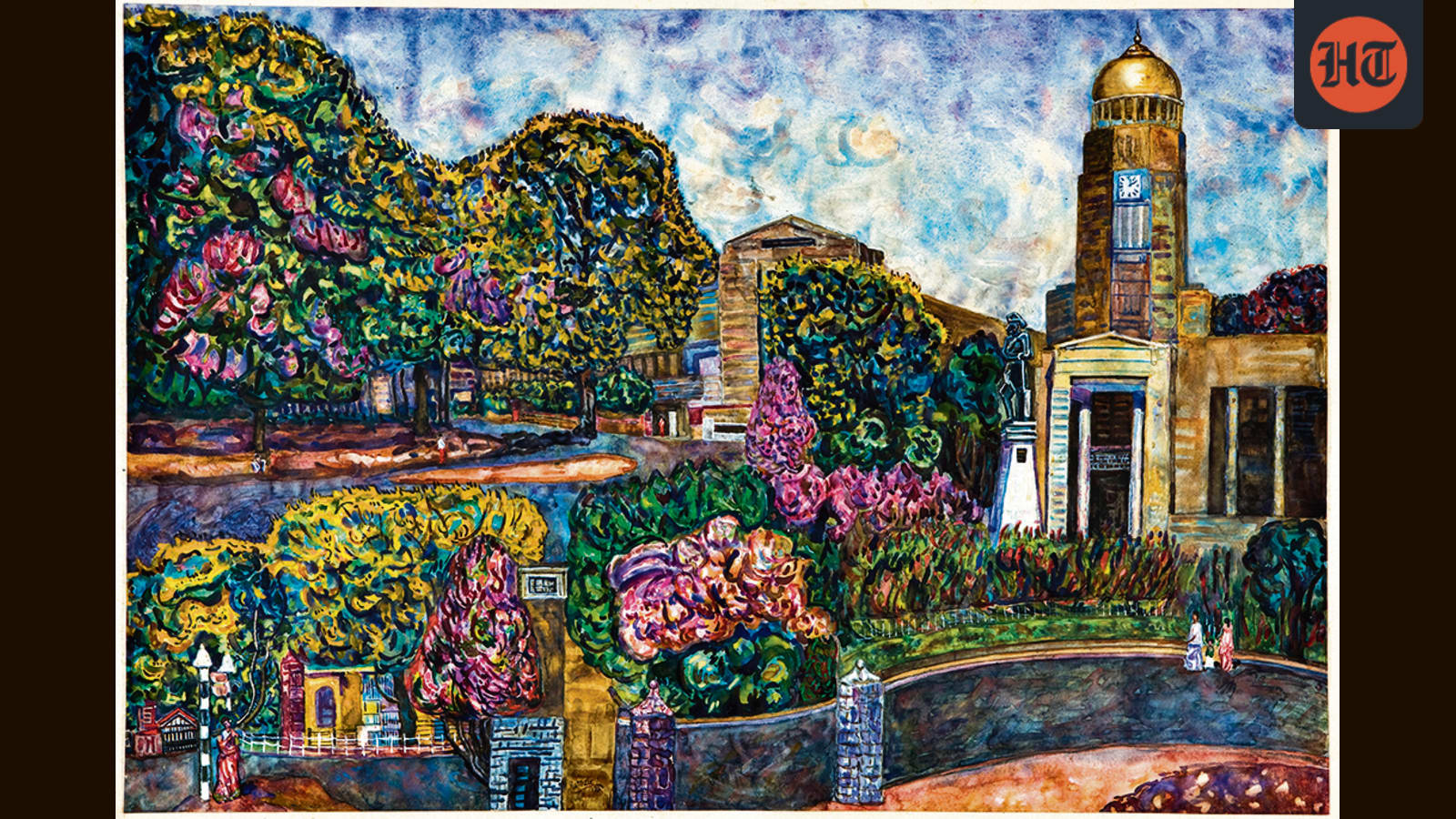
The artwork of Rumale Chennabasaviah serves as a historical archive of Bangalore, documenting the city's transition from a lush 'Garden City' to a modern urban landscape. His post-Impressionist paintings capture the seasonal blooming of iconic trees before the onset of rapid concrete expansion.
The Lost Garden City: An Artistic Archive
For residents of modern Bengaluru, the city is defined by its bustling IT parks, dense traffic, and rapid infrastructure expansion. However, the canvases of Rumale Chennabasaviah (1910–1988) offer a hauntingly beautiful counter-narrative, preserving a time when Bangalore was synonymous with its title as the 'Garden City.' His work from the 1960s through the 1980s serves as an essential visual record of a landscape that has largely been obscured by concrete.
Capturing the Ritusimhara
Chennabasaviah’s approach was deeply rooted in the natural rhythm of the city’s flora, a concept described as ritusimhara, or the year-long sequential blooming of flowering trees. Through his post-Impressionist style, characterized by vibrant brushstrokes and swirling colors, he immortalized the laburnums and jacarandas that once defined the city’s skyline. His paintings depict a serene environment where flowers—such as the red bell tecomas near M Chinnaswamy Stadium—take center stage, absent the modern noise of urban congestion.
A Visual Chronicle of Urban Transition
The most poignant aspect of Chennabasaviah’s oeuvre is its documentation of the 'early onset of greys.' As he painted throughout the mid-to-late 20th century, his work subtly captured the creeping encroachment of concrete into the garden aesthetic. By depicting Bangalore without the presence of modern traffic, IT parks, or pubs, his art forces the viewer to confront the stark contrast between the city’s ecological past and its current state of hyper-urbanization.
Historical and Cultural Significance
Beyond mere aesthetics, these paintings act as a cultural anchor. Sanjay M Kabe, who manages the artist's collection, highlights how these works preserve a version of Bangalore that is rapidly fading from collective memory. In an era where rapid development often prioritizes utility over heritage, Chennabasaviah’s art provides a crucial reference point for the city’s environmental identity.
Future Trends in Urban Preservation
As Bengaluru continues to grapple with the environmental impact of its growth, the rediscovery of Chennabasaviah’s work suggests a growing trend toward valuing historical environmental documentation. His art serves as a reminder that urban planning and ecological preservation were once deeply intertwined. Moving forward, such artistic records will likely become even more vital for urban historians and environmentalists seeking to understand the lost biodiversity of the region.
Conclusion
Rumale Chennabasaviah’s legacy is not just one of artistic merit but of historical preservation. By painting the trees and blooms of a bygone Bangalore, he created a legacy that transcends the canvas, challenging contemporary citizens to reflect on the nature of progress. His work remains a testament to the beauty of the Garden City, ensuring that its floral heritage is not entirely lost to the passage of time.
Verification Required?