In Tiger Shroff Assassination Bid, Mumbai Police Detain 11th Suspect In Indore
Source Entity
NDTV News Search Records Found 1000
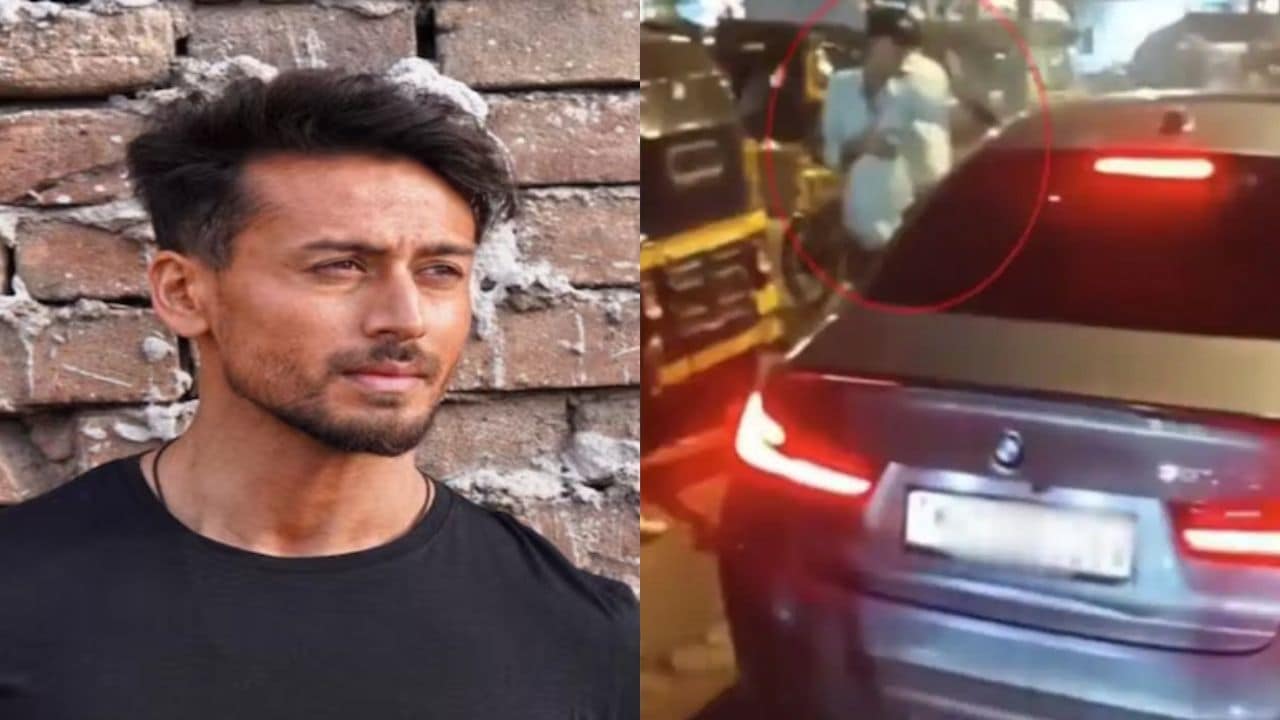
The investigation into the shooting at Tiger Shroff's car reveals that suspects used live television news to evade police capture. While authorities have arrested multiple suspects, industry figures like Ram Gopal Varma warn that the underlying criminal networks remain a significant threat.
The Intersection of Media and Criminal Evasion
The October 18 shooting incident involving actor Tiger Shroff in Juhu has unveiled a chilling reality regarding the role of real-time media in criminal operations. As police forces engaged in a high-stakes pursuit of the suspects, it emerged that the perpetrators were not just relying on their own tactical movements, but were actively monitoring television news reports to gauge the progress of the investigation. This digital-age cat-and-mouse game highlights a dangerous vulnerability: the speed of modern news cycles can inadvertently provide criminals with a tactical advantage, allowing them to adjust their escape routes based on public police disclosures.
The Role of Real-Time Intelligence
The most alarming aspect of this case is the direct communication received by the suspects when their identities were compromised. According to reports, as soon as footage of the shooters was broadcast, they received a message stating, “Tumhare chehre aa gaye hain, nikal jao waha se” (your faces are out, get out of there). This exchange proves that the suspects had an external handler or network providing live intelligence, effectively turning news coverage into a GPS for evasion. This phenomenon forces law enforcement to rethink how they manage information flow during active investigations to prevent suspects from utilizing public data to circumvent justice.
Structural Networks vs. Individual Actors
Following the arrest of suspects—including the recent detention of an 11th individual in Indore—filmmaker Ram Gopal Varma offered a critical perspective on the nature of such attacks. Varma argued that the arrest of ground-level shooters does not necessarily dismantle the broader criminal network. Drawing a parallel to the film industry, he likened the shooters to construction workers who merely execute a plan designed by distant decision-makers. This distinction is vital; it suggests that the threat to public figures in Bollywood is not merely a collection of isolated incidents, but a systemic issue involving organized entities that remain largely insulated from individual arrests.
Challenging Public Perceptions
Varma’s commentary also touched upon the visual discrepancy between reality and cinematic depictions of criminals. By tagging casting director Mukesh Chhabra and noting that the suspects did not resemble traditional film villains, he underscored the unsettling ordinariness of those involved in such high-profile crimes. This realization challenges the public's perception of security and threats, suggesting that organized crime in the entertainment sector may be operating through individuals who do not fit typical criminal archetypes, making identification and prevention increasingly complex.
Future Trends and Security Implications
As the Mumbai Police continue to broaden their net, the case serves as a stark reminder of the evolving landscape of security for high-profile individuals. The incident on October 18, from which Tiger Shroff escaped without serious injury, will likely lead to tighter protocols regarding information sharing during active police operations. The ability of handlers to monitor live media and direct suspects in real-time necessitates a shift in how authorities balance transparency with operational security. Moving forward, the focus must shift from merely apprehending individual shooters to infiltrating and neutralizing the sophisticated networks that orchestrate these violent bids.
Multiple Citing Sources
Verification Required?