Rupee gains 11 paise to 95.17 against dollar after Fed holds interest rates
Source Entity
SHIVANGHI PAYAL
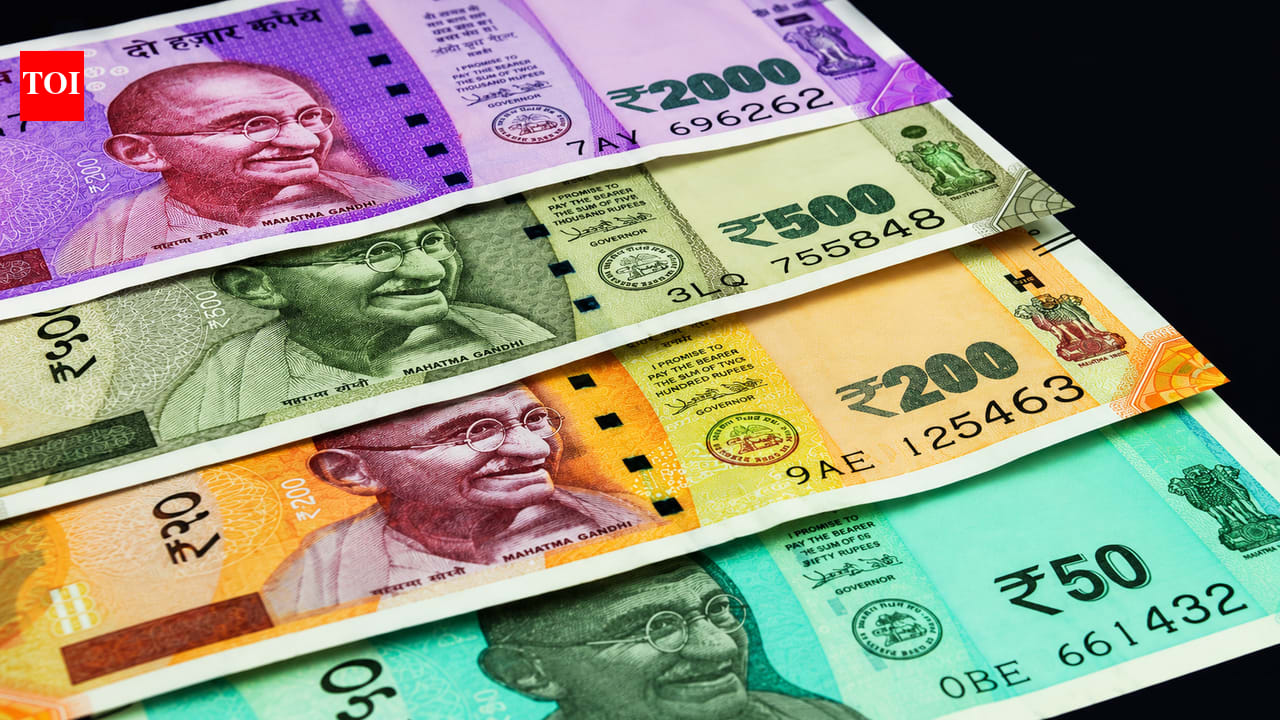
The Indian rupee appreciated by 11 paise to 95.17 against the US dollar following the Federal Reserve's decision to maintain steady interest rates. Despite global headwinds like high crude oil prices, robust foreign institutional investment continues to support the domestic currency.
The Rupee's Resilience Amidst Global Monetary Shifts
In a significant development for the Indian foreign exchange market, the rupee experienced a notable appreciation of 11 paise, climbing to 95.17 against the US dollar in early Thursday trading. This movement was primarily triggered by the US Federal Reserve's decision to maintain interest rates within the 3.75%–4.00% range. While the policy outcome was largely anticipated by market participants, the subsequent weakening of the American currency reflects a nuanced shift in investor sentiment as the global financial community recalibrates its expectations regarding future monetary tightening.
The Mechanics of Market Reaction
The correlation between the Federal Reserve's policy decisions and the value of the Indian rupee remains a critical barometer for emerging market health. When the Fed opts for stability rather than aggressive rate hikes, the dollar often faces downward pressure, providing a relief valve for currencies like the rupee. The transition from the previous session's close of 95.28 to the morning high of 95.17 underscores the volatility inherent in interbank foreign exchange markets, where traders are constantly pricing in global macroeconomic shifts against domestic fiscal stability.
Balancing Domestic Pressures and External Factors
Despite the positive momentum, the rupee continues to navigate a challenging landscape defined by elevated crude oil prices and firm US Treasury yields. These factors typically act as a drag on the Indian currency by increasing the import bill and drawing capital toward safer, dollar-denominated assets. However, the current resilience is bolstered by India’s substantial foreign exchange reserves, which sit at approximately $721 billion. This healthy reserve cushion acts as a vital buffer, allowing the Reserve Bank of India (RBI) to manage excessive volatility and maintain market confidence.
The Role of Foreign Institutional Investors
A pivotal driver of the rupee's current performance is the active participation of Foreign Institutional Investors (FIIs) in the Indian equity markets. The consistent inflow of foreign capital signifies a robust long-term outlook for the Indian economy, effectively countering the pressure exerted by external trade deficits. As global investors seek growth markets, the stability of the Indian equity landscape has become a primary anchor, helping to stabilize the currency even when broader global interest rate environments remain unpredictable.
Future Outlook and Economic Indicators
Looking ahead, market observers are shifting their focus toward incoming economic data, specifically inflation metrics and forward-looking statements from global central banks. The market's reaction to future rate adjustments will likely dictate the next phase of the rupee's trajectory. If inflation continues to moderate, the potential for a more dovish stance from global central banks could further alleviate pressure on the rupee. Conversely, any unexpected spikes in energy costs or shifts in US monetary policy could reintroduce volatility, necessitating continued vigilance from policymakers to ensure sustained economic stability.