Russia gives drones their own military branch as modern warfare enters a new era
Source Entity
ARYAN SINGH
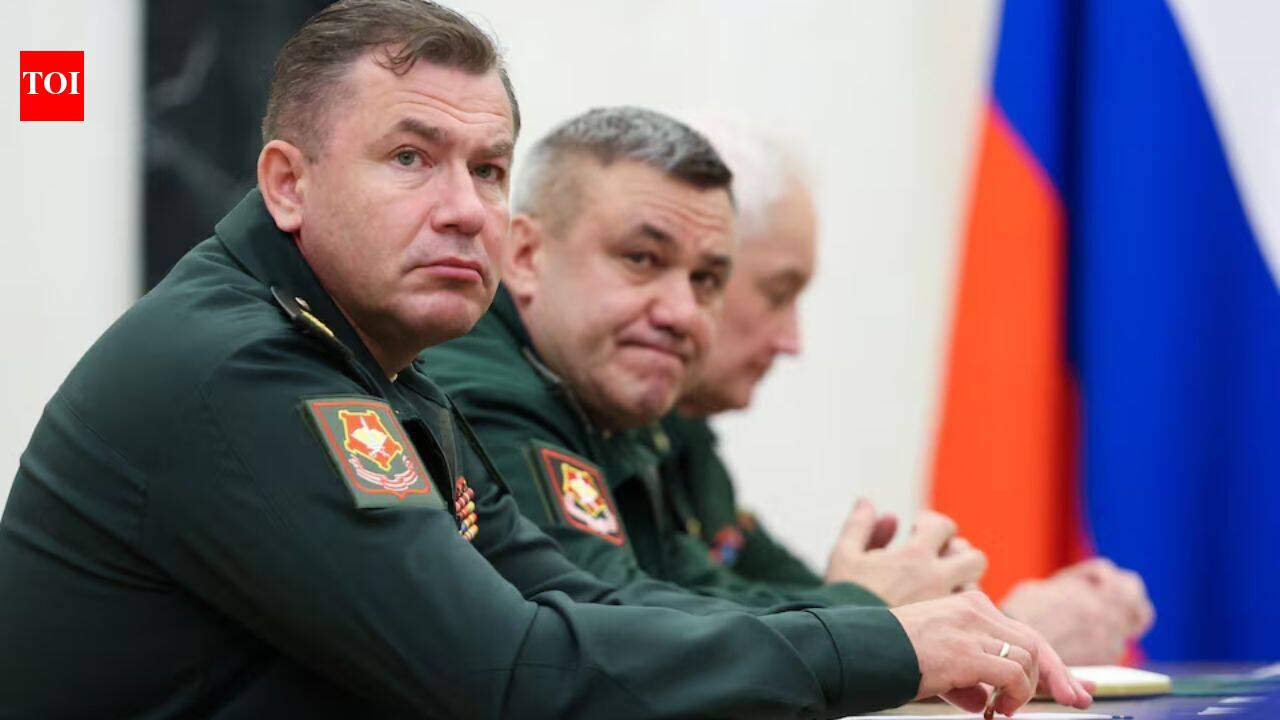
Russia has officially established a dedicated command for unmanned systems, appointing General Denis Lyamin to lead the new military branch. This structural shift reflects the increasing dominance of drone warfare in the ongoing conflict, mirroring similar strategic developments in Ukraine.
The Institutionalization of Drone Warfare
The formal establishment of a dedicated command for unmanned systems within the Russian military, led by General Denis Lyamin, represents a profound structural evolution in modern warfare. By elevating drone operations from a tactical support element to a standalone military branch, Moscow is signaling a departure from traditional, infantry-heavy doctrine toward an integrated, tech-centric approach. This transition acknowledges that the rapid proliferation of UAVs (Unmanned Aerial Vehicles) on the battlefield has rendered previous organizational hierarchies insufficient for the demands of 21st-century combat.
Leadership and Strategic Mandate
General Denis Lyamin’s appointment, authorized by Defense Minister Andrei Belousov and championed by President Vladimir Putin, underscores the high-level priority placed on this initiative. Putin has explicitly identified Lyamin as one of the nation's most qualified specialists, tasking him with the rapid formation and operationalization of these forces. This top-down mandate suggests that Russia intends to streamline the procurement, deployment, and tactical innovation cycles for drones, aiming to close the gap between battlefield requirements and bureaucratic response times.
The Symmetry of Asymmetric Warfare
The move by Moscow is not an isolated development but a direct response to the evolving nature of the conflict in Ukraine. Ukraine itself has recently unveiled a long-range impact command, emphasizing that both sides of the conflict now view unmanned technology as a decisive factor. The simultaneous focus on drone-specific command structures highlights a mutual understanding that the side capable of better scaling, protecting, and deploying its drone fleet will likely hold a significant advantage in intelligence, surveillance, and strike capabilities.
Broader Military Implications
Historically, military revolutions are defined by the integration of new technologies into existing command structures. The creation of this branch suggests that drones are no longer considered mere reconnaissance tools but are now viewed as primary platforms for power projection. This institutional change allows for better synchronization of multi-domain operations, where drones can act as force multipliers for conventional artillery and infantry units, effectively changing the cost-benefit analysis of traditional military engagements.
Future Trends and Global Impact
As Russia continues to refine its unmanned systems forces, the global defense landscape is likely to shift accordingly. We are entering an era where drone-centric command architectures will become the standard for major military powers. The success or failure of Lyamin’s efforts will likely serve as a case study for global militaries looking to reform their own structures to counter the threat of low-cost, high-impact unmanned systems. This shift confirms that the future of military competition will be defined by technological agility and the ability to rapidly adapt command structures to the realities of autonomous warfare.