390 Drones In One Night: Ukraine Attacks Russia's Moscow Region
Source Entity
NDTV News Search Records Found 1000
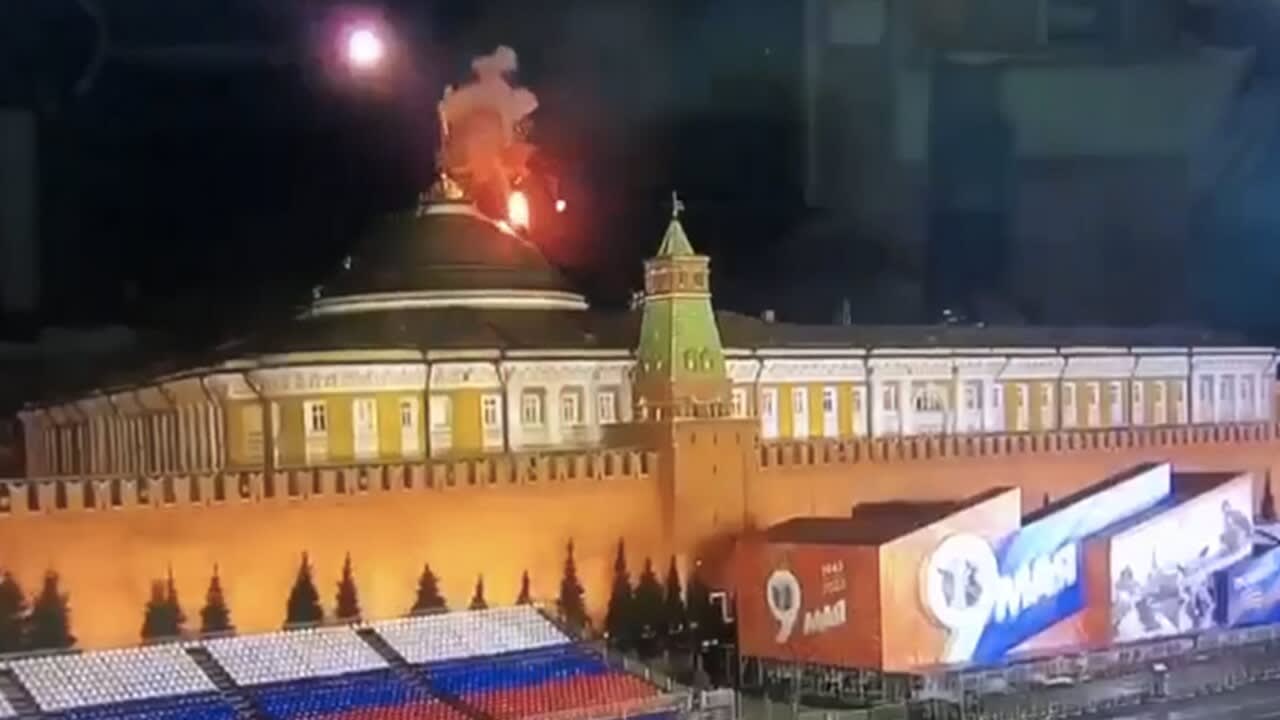
Russia and Ukraine have escalated their conflict with massive, reciprocal drone strikes targeting deep infrastructure. While Kyiv aims to disrupt Moscow's war machine with long-range capabilities, Russia is actively reinforcing its air defenses to mitigate these threats.
The Escalating War of Attrition: Drone Warfare Reaches New Extremes
The ongoing conflict between Russia and Ukraine has entered a significantly more volatile phase, characterized by a massive escalation in long-range aerial warfare. Recent reports confirm that Moscow launched 147 long-range drones across Ukrainian territory, while Kyiv simultaneously executed deep strikes targeting Russian oil and logistics infrastructure. This exchange marks a dangerous pivot where the geographic scope of the conflict is expanding, forcing both nations to grapple with the vulnerabilities of their domestic territories.
Ukraine’s Long-Range Gambit
President Volodymyr Zelensky has unveiled an updated list of strategic targets designed to cripple the Russian war machine from within its own borders. By utilizing drones that Kyiv claims can reach distances exceeding 3,000 kilometers, Ukraine is attempting to shift the cost of the war back onto the aggressor. These strikes are not merely tactical; they are intended to disrupt the flow of resources and logistics that sustain Russian military operations, essentially bringing the reality of the war to the Russian interior.
The Battle for Moscow’s Skies
In response to these incursions, Moscow has been forced to significantly tighten its air defense architecture. Reports indicate that 81 enemy UAVs were neutralized during a single night as they approached the Moscow region. This massive defensive effort underscores the growing pressure on Russian military leadership to protect the capital and maintain an image of invulnerability. As Ukraine pushes its technological reach, Russia is adapting its military strategy, prioritizing the reinforcement of metropolitan air defenses over offensive positioning.
Strategic Implications and the Failure of Diplomacy
This surge in drone warfare has had a chilling effect on diplomatic efforts. As the physical destruction of infrastructure—including cargo ships and industrial centers—continues to mount, the prospects for a negotiated settlement appear increasingly bleak. Russia has explicitly dismissed Ukraine’s latest peace overtures, signaling that the Kremlin currently views military escalation as the primary means to achieve its objectives. The hardening of rhetoric on both sides suggests that the conflict is moving toward a prolonged war of attrition.
Future Trends in Aerial Warfare
Moving forward, the reliance on long-range, cost-effective drone technology is likely to define the next chapter of the war. We can expect both nations to continue investing heavily in both offensive UAV capabilities and advanced electronic warfare systems to intercept them. For Ukraine, the challenge lies in sustaining the intensity of these strikes despite Russia’s improving defensive coverage. For Russia, the challenge remains the sheer scale of the frontline and the difficulty of shielding vast infrastructure networks from a persistent, long-range adversary.
Multiple Citing Sources
Verification Required?