Russian drones found near vital European offshore gas site, get blown up
Source Entity
Jeremy Hsu
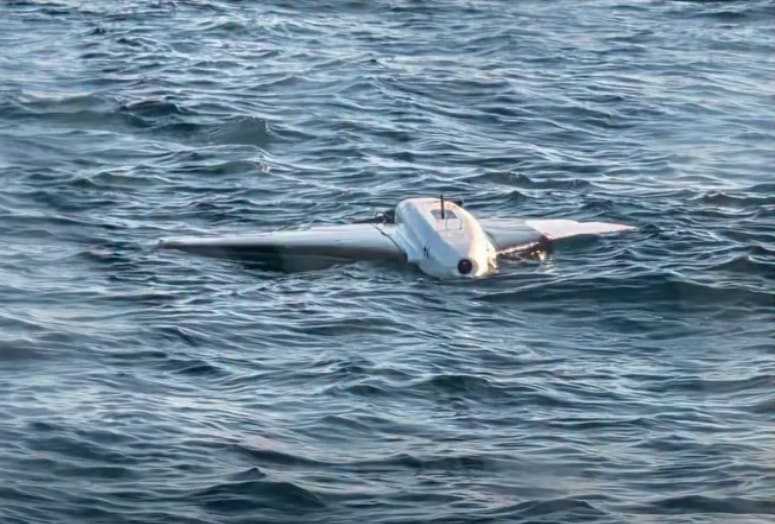
Romanian military forces successfully neutralized two Russian-made Gerbera drones discovered near the Neptun Deep offshore gas project in the Black Sea. This incident highlights growing security risks to European energy infrastructure amidst ongoing regional tensions.
The Black Sea Security Escalation: Securing Neptun Deep
Recent reports confirm that Romanian army divers successfully utilized explosives to destroy two Russian-made Gerbera-type drones discovered in the Black Sea. The drones were identified near the Neptun Deep, a vital offshore gas project currently under development. This operation, confirmed by Defense Minister Radu Miruță, underscores the precarious security environment surrounding critical European energy infrastructure in the Black Sea region.
Strategic Importance of Neptun Deep
The Neptun Deep project is of paramount importance to both Romania and the broader European Union. Once fully operational, this site is projected to establish Romania as the largest natural gas producer within the EU bloc. By securing these energy assets, Romania is positioning itself as a central pillar in the EU's strategy to diversify energy supplies and reduce dependence on non-EU sources, making the site an obvious point of interest for foreign surveillance or interference.
A Pattern of Drone Incursions
The discovery of these drones does not occur in a vacuum; it follows a concerning series of drone incursions into Romanian territory and a failed attack previously reported in Germany. These incidents suggest a systemic pattern of aerial probing or sabotage attempts directed at NATO member states. The use of Gerbera-type drones, which are of Russian design, points to the tactical challenges Romania faces in maintaining the integrity of its maritime borders and protecting its sovereign economic interests.
The Role of NATO and Maritime Defense
As a NATO member, Romania’s ability to protect its territorial waters is a matter of collective security. The rapid response by the Romanian Coast Guard, supported by specialized army explosive ordnance disposal divers, demonstrates a heightened state of readiness. The neutralization of these devices highlights the necessity for NATO to continue monitoring the Black Sea, where the intersection of commercial development and military hostility remains a volatile flashpoint.
Future Implications for Energy Security
Looking ahead, the security of offshore energy projects will likely require more robust, integrated surveillance systems. The threat posed by low-cost, expendable drone technology forces nations like Romania to invest heavily in counter-UAV (unmanned aerial vehicle) capabilities. As the Neptun Deep project nears completion, the operational security of the site will remain a priority, as any disruption would have significant implications for European energy markets and regional stability.
Concluding Assessment
The successful destruction of the drones by the Romanian military marks a critical intervention in protecting vital infrastructure. While the immediate threat was mitigated, the event serves as a stark reminder of the hybrid warfare tactics currently employed in the region. Maintaining vigilance over the Black Sea will be essential to ensuring that Romania’s transition to becoming the EU’s leading gas producer remains uninterrupted by external aggression.