Ryanair may freeze workers' pay and raise fares on higher fuel prices
Source Entity
BBC News
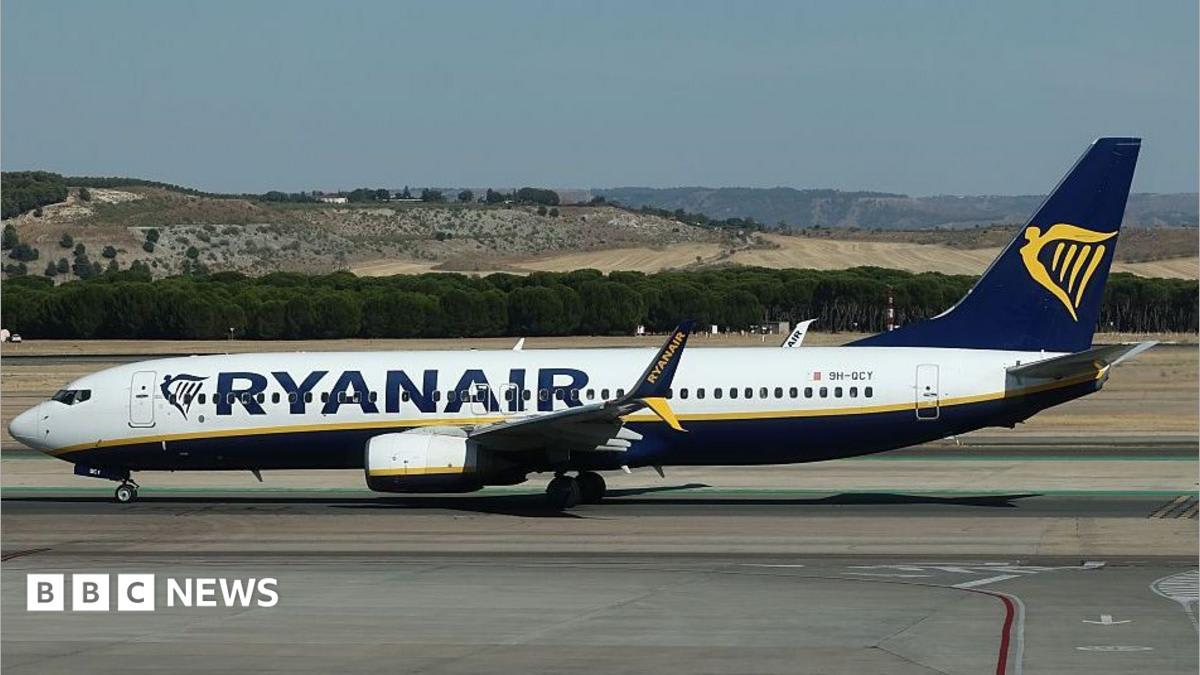
Ryanair CEO Michael O'Leary warns that airfares could rise by up to 20% in 2027 due to a $2.2 billion surge in fuel costs. The airline is considering cost-cutting measures, including potential staff wage freezes and reduced crew levels, to mitigate the financial impact of regional conflicts.
The Impending Surge in European Air Travel Costs
Ryanair, Europe’s largest low-cost carrier, has issued a stark warning regarding the future of air travel affordability. CEO Michael O'Leary recently indicated that passengers should prepare for a significant increase in ticket prices, potentially rising by as much as 20% by 2027. This anticipated hike is primarily driven by a massive, unavoidable increase in fuel expenditures, which the airline estimates will cost an additional €2 billion ($2.2 billion) in the upcoming financial year.
The Impact of Geopolitical Instability
The root cause of this financial volatility is linked to the ongoing conflict in the Middle East. As regional tensions persist, global oil prices have remained elevated, with jet fuel reaching approximately $170 a barrel. Ryanair has explicitly stated that unless there is a swift resolution to the conflict, these high fuel prices will continue to burden the aviation industry well into 2027. The airline’s reliance on fuel hedging—a strategy used to lock in lower prices—has provided a temporary buffer, but as these hedges expire, the company is now exposed to the full force of market volatility.
Financial Performance and the 'Cost Cliff'
Recent financial disclosures underscore the severity of the situation. Ryanair reported a 15% to 16% decline in pre-tax profits during the first half of the fiscal year, a direct result of the 20% of its fuel supply that remained unhedged and subject to doubling prices. O'Leary has characterized the upcoming year as a "significant cost cliff," noting that the previous 12 months of price insulation for customers are coming to an end, leaving the airline with little choice but to pass these costs onto the consumer.
Operational Cost-Cutting Measures
To bridge the gap caused by the soaring fuel bill, Ryanair is evaluating a series of aggressive internal cost-cutting measures. These include the potential for temporary pay freezes for staff and a reduction in crew numbers on flights. Furthermore, the airline is exploring the expanded use of artificial intelligence to optimize operations and reduce overhead. These measures reflect the extreme pressure the carrier is under to maintain profitability without fully absorbing the entirety of the fuel price shock.
Broader Implications for the Aviation Sector
The situation facing Ryanair is indicative of a wider trend across the European aviation market. As fuel costs rise, smaller and less efficient competitors may struggle to survive, potentially leading to capacity reductions across the industry. While Ryanair expects that fare increases will help offset these costs, the airline has acknowledged that price hikes alone may not be sufficient to fully stabilize its bottom line. The reliance on both consumer-facing price increases and internal austerity measures highlights the precarious balance airlines must maintain in a high-cost energy environment.
Conclusion
In summary, the confluence of geopolitical instability and the expiration of fuel hedges has created a challenging landscape for Ryanair and the broader European airline sector. With fuel costs projected to rise by €2 billion, the industry is entering a period where both workers and passengers will likely feel the impact. Whether through higher ticket prices or operational restructuring, the next few years will test the resilience of the low-cost model in the face of sustained global energy inflation.