Salman Rushdie Testifies At Knife Attacker's US Terror Trial
Source Entity
NDTV News Search Records Found 1000
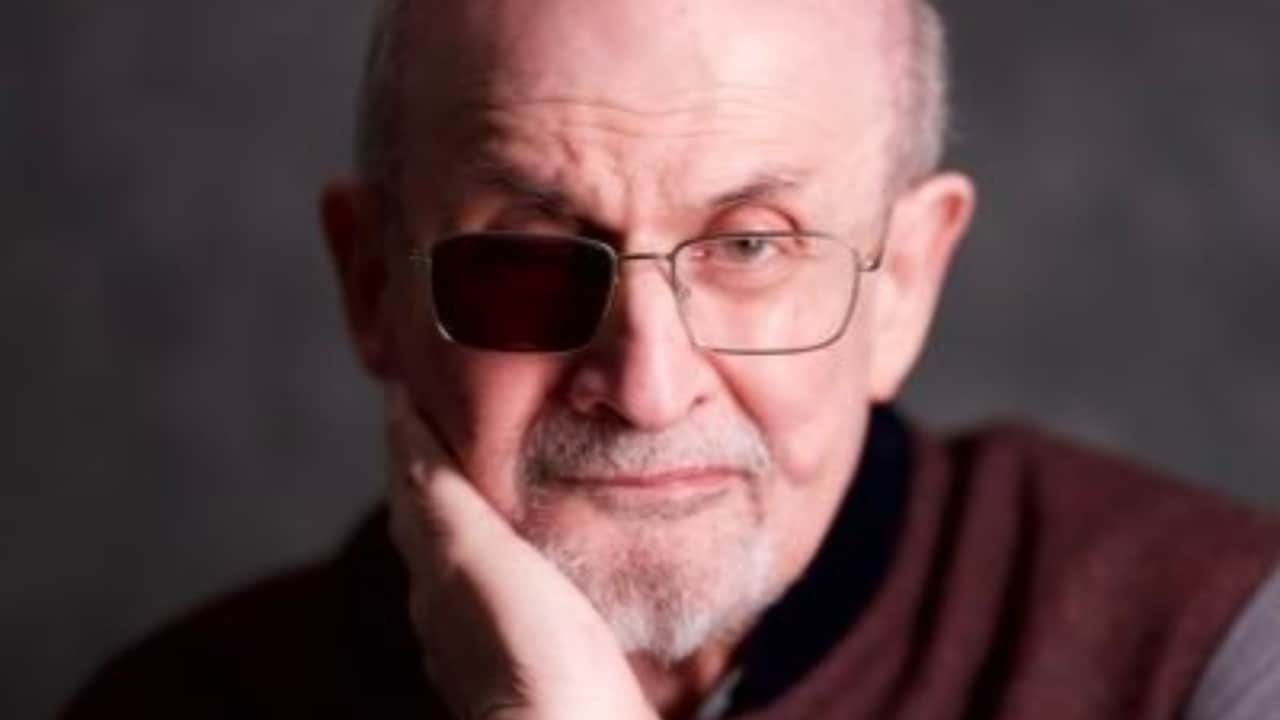
Author Salman Rushdie has provided testimony at the trial of the man accused of stabbing him. This legal proceeding follows the long-standing shadow of the 1989 fatwa that forced Rushdie into hiding for a decade.
The Legal Reckoning for an Assault on Free Expression
A Defining Moment for Literary Freedom
The recent testimony provided by author Salman Rushdie at the trial of his alleged attacker marks a profound chapter in the ongoing struggle for artistic and intellectual liberty. For decades, Rushdie has remained a global symbol of the fight against censorship and ideological violence. His decision to appear in court to recount the harrowing experience of the attack serves as a direct confrontation with the forces that have sought to silence his voice since the late 20th century.
Contextualizing the 1989 Fatwa
To understand the gravity of this trial, one must reflect on the historical weight of the 1989 fatwa issued against Rushdie. The decree, which emerged following the publication of The Satanic Verses, fundamentally altered the author’s life, forcing him into a decade of deep seclusion in London. This period of isolation was not merely a security measure; it was a testament to the extreme lengths to which external entities would go to suppress literature they deemed offensive to their ideological framework.
The Lingering Shadow of Past Threats
The transition from years of hiding to the current terror trial highlights how historical threats can manifest into physical violence years later. While the 1989 fatwa is a historical event, its cultural and psychological impact remains active. The trial serves as a legal bridge between the initial censorship attempts of the 1980s and the modern reality of targeted violence against public figures, emphasizing that the danger posed to free speech continues to evolve.
Implications for Global Security and Law
This trial is significant not only for the author involved but for the broader principles of democratic society. By treating this assault as a terror-related legal matter, the justice system is reinforcing the notion that violence intended to intimidate writers or silence public discourse is a direct assault on the rule of law. The proceedings provide a public platform for the state to formally condemn the intersection of extremism and physical violence.
Future Trends in Intellectual Protection
Looking ahead, this trial may set a precedent for how judiciary systems handle cases of ideologically motivated violence against individuals in the arts. As digital platforms continue to amplify global rhetoric, the protection of high-profile authors and journalists becomes increasingly complex. This case highlights the necessity for robust legal frameworks that can distinguish between protected speech and the incitement of violence, ensuring that individuals like Rushdie can participate in public life without the persistent threat of retaliation.
Conclusion: A Legacy of Resilience
Ultimately, Salman Rushdie’s testimony is an act of defiance against the shadow of the fatwa that dictated his life for so long. By standing in a courtroom to address the terror inflicted upon him, he reclaims the narrative from those who sought to erase his influence. The trial stands as a reminder that while the echoes of past censorship are long, the resilience of the human spirit and the commitment to justice remain the ultimate bulwarks against intimidation.
Verification Required?