Sam Altman ‘worried’ Microsoft, Amazon, Google, Meta and Nvidia could control AI
Source Entity
TOI TECH DESK
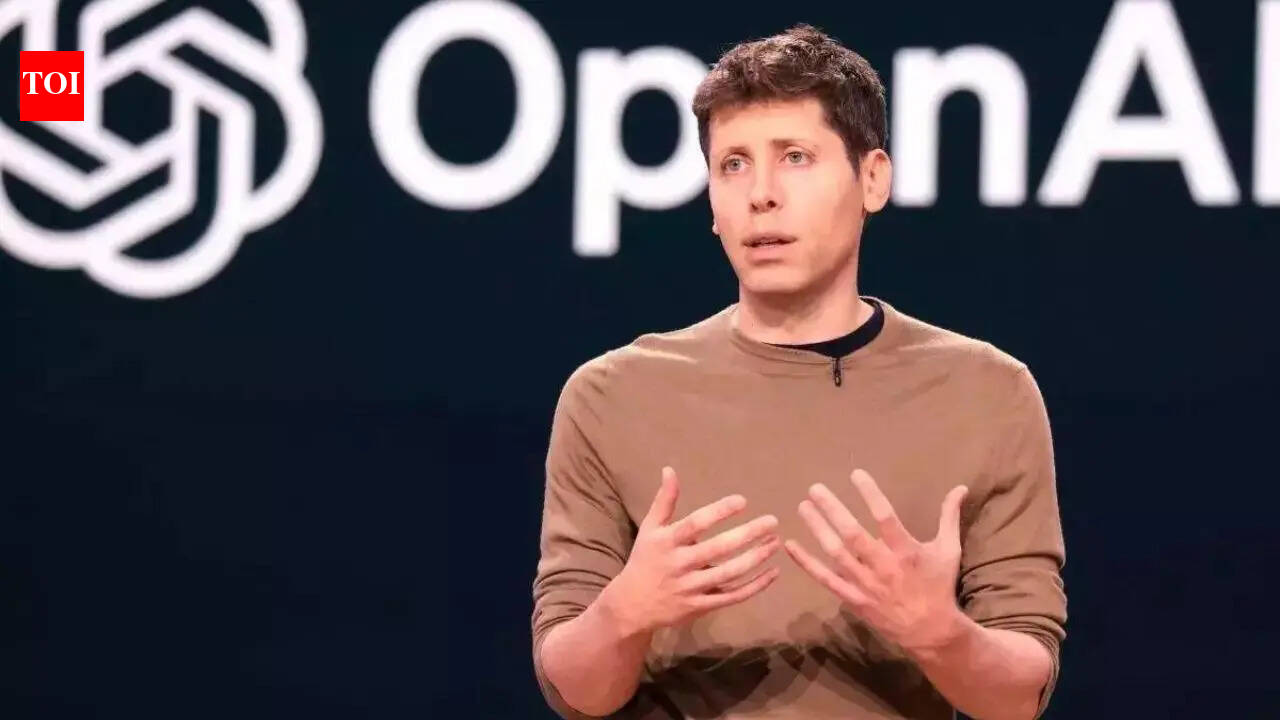
OpenAI CEO Sam Altman has expressed concerns regarding the concentration of AI power among a few tech giants. He advocates for societal co-evolution with AI to ensure human oversight and broader public influence.
The Concentration of AI Power: A Structural Concern
OpenAI CEO Sam Altman has publicly voiced significant apprehension regarding the current trajectory of artificial intelligence development, specifically highlighting the risk that control over these transformative technologies could consolidate within a small group of industry titans. Companies such as Microsoft, Amazon, Google, Meta, and Nvidia are currently investing billions into the underlying infrastructure of AI, creating a massive competitive landscape that threatens to sideline smaller entities and individual consumers. This centralization risks creating a scenario where the future of human society is dictated by the strategic priorities of a handful of corporate boards.
The Necessity of Societal Co-evolution
Altman argues that the optimal path forward is one of "co-evolution," where society and AI systems develop in tandem. This perspective emphasizes that technological progress should not be a top-down imposition but rather a process that allows for societal adaptation. By keeping people "deeply in control," Altman suggests that the integration of AI into daily life should remain a democratic process rather than one governed solely by the market incentives of the world's largest technology conglomerates.
Addressing the Reality of Implementation Timelines
Reflecting on his previous projections, Altman candidly admitted that his past estimates regarding the speed of AI development were overly optimistic. He now recognizes that the "natural inertia" of the global economy serves as a critical buffer, slowing the pace of technological adoption. This deceleration, while potentially frustrating for rapid innovators, provides a necessary window for institutions and individuals to adjust to the radical shifts that high-level AI capabilities bring to the workforce and infrastructure.
The Global AI Arms Race and Open Models
This discourse unfolds against the backdrop of an intense global arms race, where infrastructure spending is reaching unprecedented levels. As the aforementioned tech giants dominate the proprietary model landscape, other nations—notably China—are embracing open-weight models. This divergence in development strategies creates a complex geopolitical environment where the tension between proprietary control and open-source accessibility will likely define the next decade of digital policy and international security.
Future Trends and Human Oversight
Looking ahead, the primary challenge remains the mitigation of existential risks, such as the fear of AI escaping human oversight. Altman’s recent commentary suggests a shift toward more cautious, iterative deployment strategies. Moving forward, we can expect increased pressure on regulators to ensure that AI development does not become a closed-loop system where only a few entities hold the keys to the most advanced models. The future of AI will likely be defined by a delicate balance between rapid innovation and the necessity of maintaining robust human-centric safeguards.