Fujifilm X-T30 III review: The specs are familiar, but the shooting experience is hard to ignore
Source Entity
Latest News: Todays Latest News Headlines from India & World | Hindustan Times | Hindustan Times
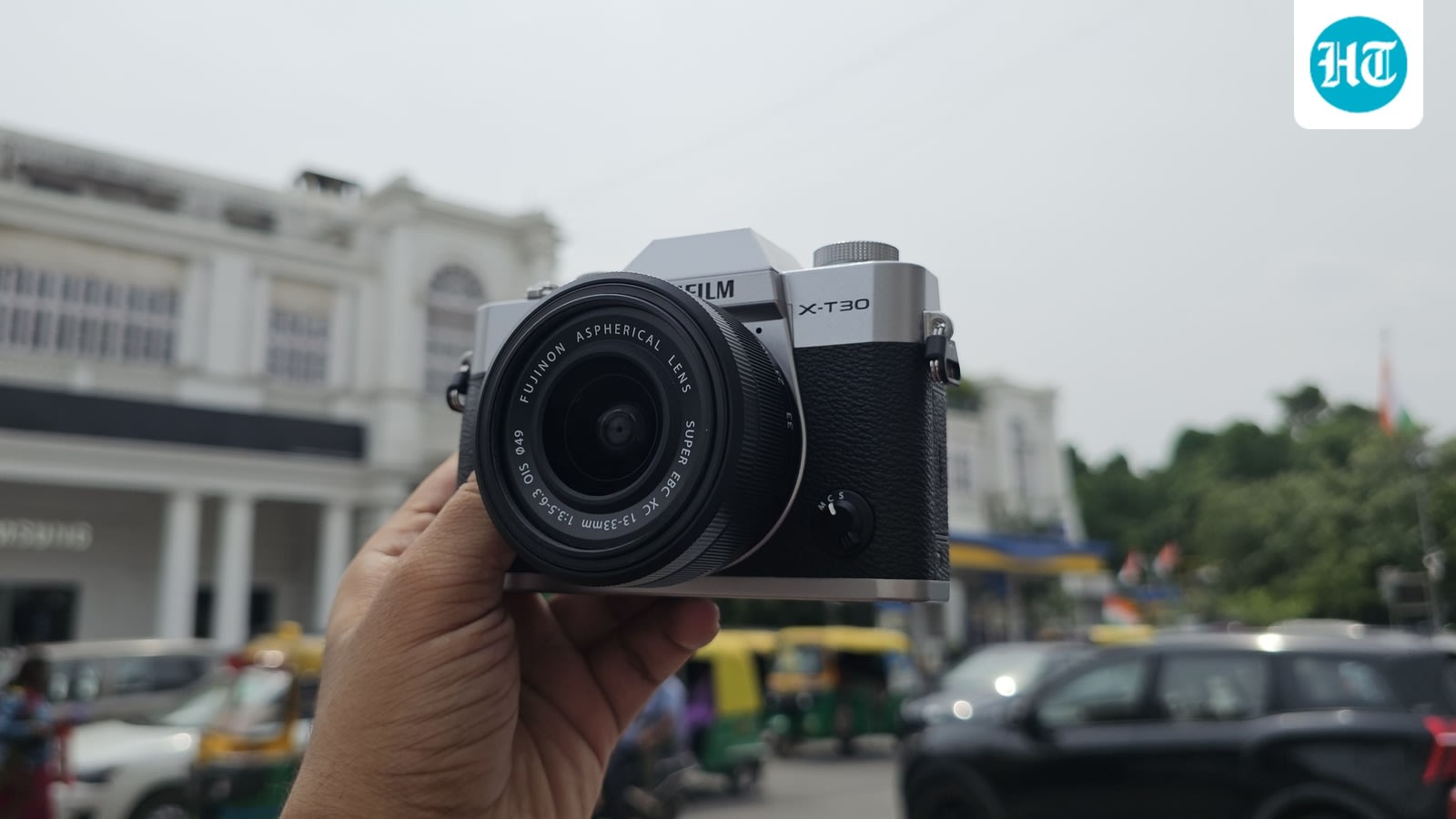
The Fujifilm X-T30 III is a compact mirrorless camera that balances portability with high-end performance. It stands out for its rapid autofocus, impressive image quality, and signature Film Simulation modes.
The Evolution of Compact Mirrorless Photography
The release of the Fujifilm X-T30 III represents a deliberate refinement in the mirrorless camera market, focusing on the intersection of portability and professional-grade output. In an era where smartphone computational photography dominates casual image capture, the X-T30 III serves as a reminder that dedicated hardware still offers a distinct, tactile advantage. By maintaining a compact footprint while housing advanced internal components, Fujifilm continues to cater to enthusiasts who prioritize the shooting experience over mere specifications.
The Balancing Act: Size vs. Performance
One of the most significant aspects of this camera is its ability to deliver a "serious photography experience" within a diminutive body. For many years, the industry trend pushed toward bulkier bodies to accommodate larger sensors and cooling systems. However, the X-T30 III challenges this by proving that miniaturization does not necessitate a compromise in image quality. This is vital for street photographers and travelers who require a discreet device that does not sacrifice the technical capability required for professional results.
Core Technical Strengths
Central to the camera's appeal are its fast autofocus capabilities and its integration of Film Simulation modes. The autofocus system ensures that the device remains competitive in fast-paced environments, allowing users to capture fleeting moments with precision. Furthermore, the inclusion of Fujifilm's proprietary Film Simulation modes adds a layer of creative versatility, allowing photographers to replicate the aesthetic qualities of classic film stocks directly in-camera. This feature bridges the gap between digital convenience and the nostalgic, artistic look favored by many modern creators.
Daily Reliability and User Experience
Beyond the raw specifications, the X-T30 III excels in its daily usability. As noted by experts tracking the consumer tech landscape, the true value of a camera lies in how it holds up during real-world application rather than just launch-cycle hype. The device is designed to be "fun to use," which is a critical, often overlooked metric in photography gear. A camera that invites the user to pick it up and shoot is fundamentally more valuable than a more powerful device that remains in a camera bag due to its cumbersome nature.
Market Implications and Future Trends
The success of the X-T30 III suggests a broader trend in the camera industry: a pivot toward devices that emphasize the 'shooting experience.' As manufacturers continue to iterate on familiar specs, the differentiator is increasingly becoming the tactile feedback, ergonomic design, and color science provided by the software. Fujifilm’s focus on the user journey rather than just pixel counts positions them well in a market that increasingly values artistic expression through hardware.
Conclusion
Ultimately, the Fujifilm X-T30 III succeeds because it avoids the trap of chasing buzzwords. Instead, it provides a reliable, high-performance tool that satisfies the needs of both hobbyists and serious photographers. By focusing on the essential elements—fast autofocus, excellent image quality, and an enjoyable interface—Fujifilm has solidified the X-T30 III as a relevant and compelling choice in the current mirrorless landscape.
Verification Required?