Samsung can’t afford to play it safe with Apple’s first foldable looming
Source Entity
Dominic Preston
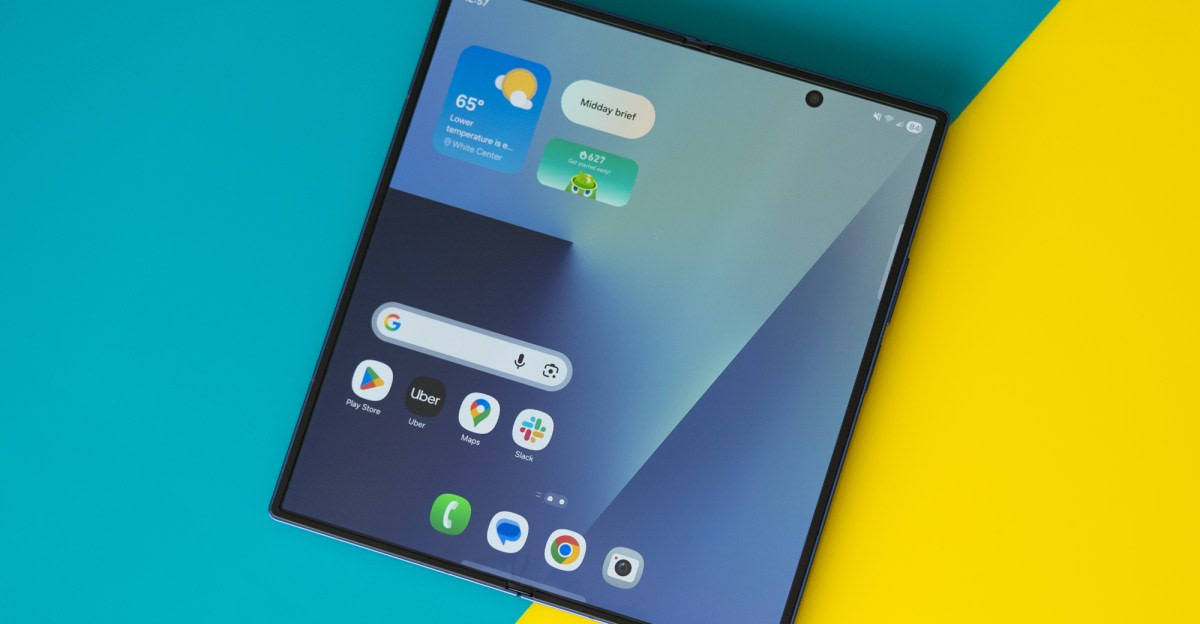
Samsung is preparing for a major Galaxy Unpacked event on July 22nd, focusing on a significant redesign of its foldable lineup. With rumors of a new, wider form factor and the looming threat of Apple's entry into the foldable market, Samsung is shifting its strategy to maintain dominance.
The Evolution of Samsung's Foldable Strategy
Samsung’s upcoming Galaxy Unpacked event, scheduled for July 22nd, represents a pivotal moment in the company’s mobile hardware trajectory. For years, the South Korean tech giant maintained a predictable, dual-pronged approach to its foldable ecosystem: the compact, fashion-forward Galaxy Z Flip and the productivity-oriented, book-style Galaxy Z Fold. However, the upcoming showcase signals a departure from this established status quo, as the company prepares to introduce a new form factor described as shorter and wider.
Responding to Competitive Pressures
The urgency behind this shift is largely driven by the shifting competitive landscape. While Samsung effectively pioneered the modern foldable category, the looming prospect of a foldable iPhone has forced the company to abandon its incremental update cycle. Industry analysts have long suggested that Apple’s entry into this space would mirror the rumored 'squat' design Samsung is now adopting. By evolving its design language now, Samsung aims to preemptively capture market share and establish its new form factor as the industry standard before Apple can make its debut.
A History of Rapid Iteration
This shift marks the second major upheaval to Samsung's foldable lineup in less than a year, following the introduction of the Galaxy Z TriFold. This rapid pace of innovation highlights the pressure Samsung faces to stay ahead of both traditional flagship smartphones and an increasing number of Chinese competitors who have been experimenting with thinner, wider, and more versatile foldable designs. The transition from the narrow, tall aspect ratio of previous Fold generations to a more ergonomic, wider display suggests that Samsung is listening to user feedback regarding usability and screen real estate.
The Design Shift: What to Expect
Leaks and official teases regarding a 'new shape' for the Galaxy Z Fold 8 suggest that the hardware will be fundamentally different from its predecessors. By moving toward a wider chassis, Samsung is likely aiming to improve the typing experience on the cover screen and provide a more natural aspect ratio for media consumption when unfolded. This structural redesign is not merely aesthetic; it is a tactical response to the limitations of the previous narrow design, which often struggled to compete with the screen utility of standard, non-foldable smartphones.
Implications for the Future of Mobile Hardware
As the industry matures, the 'foldable' category is transitioning from a niche luxury item to a mainstream alternative for power users. Samsung’s decision to prioritize these devices at its largest Unpacked event in years underscores the company's belief that foldables are the future of mobile productivity. If successful, this redesign could solidify Samsung's grip on the premium market, effectively creating a defensive moat that will be difficult for Apple or other competitors to breach when they eventually launch their own competing hardware.
Conclusion
The July 22nd event is set to be a defining moment for Samsung. By abandoning the safety of its previous design cycles, the company is demonstrating a willingness to adapt in real-time to market pressures. Whether this new form factor will successfully satisfy the demands of the modern consumer remains to be seen, but the strategy is clear: Samsung is refusing to cede its ground as the primary innovator in the foldable space.