‘Opportunism’: Sandeep Reddy Vanga slams claims of Animal inspiring Andhra chainsaw attack
Source Entity
The Indian Express
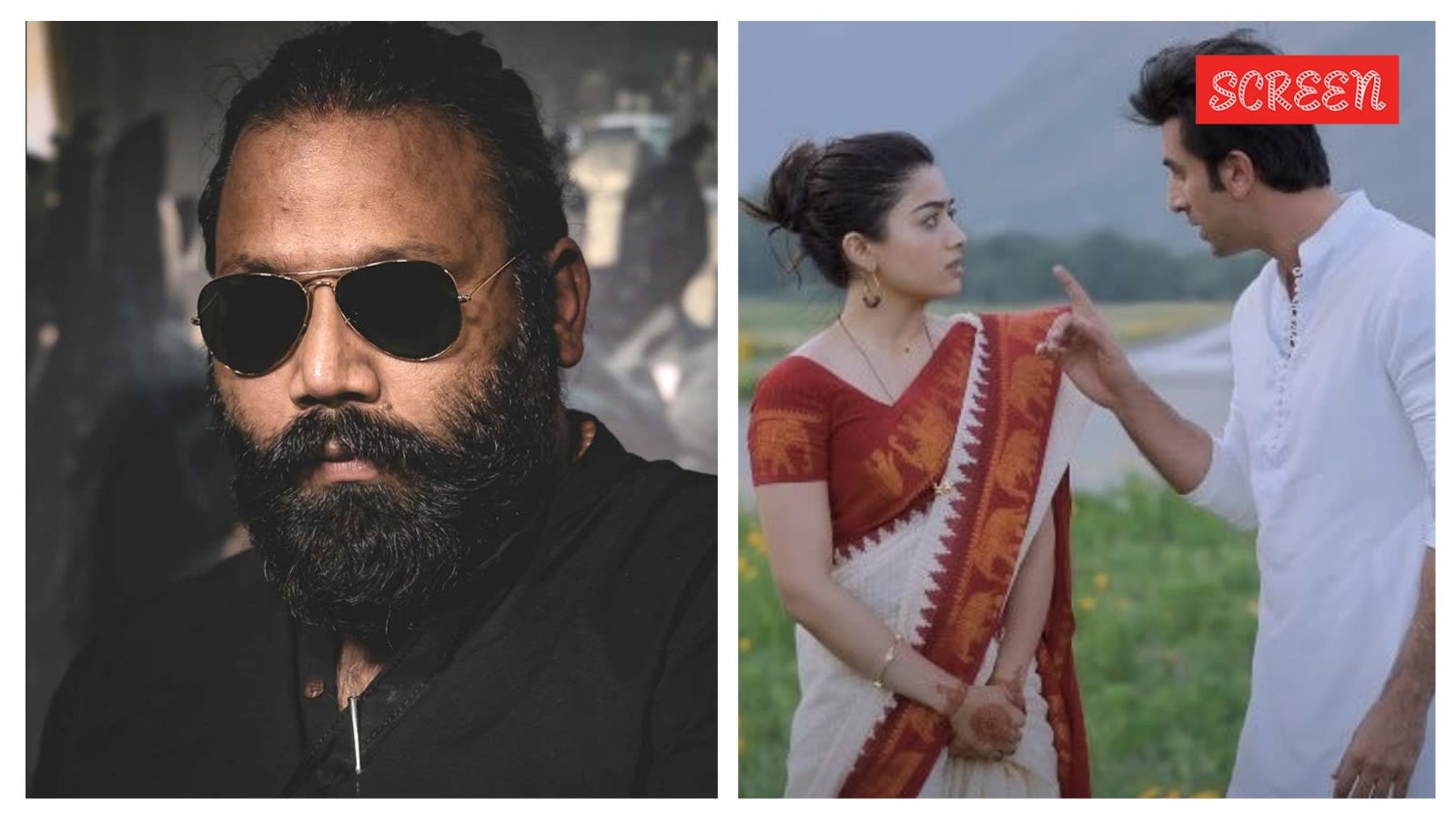
Director Sandeep Reddy Vanga has rejected claims that his film 'Animal' inspired a violent chainsaw attack in Andhra Pradesh. He criticized the tendency to use cinema as a scapegoat for real-world violence, advocating for a focus on systemic issues instead.
The Intersection of Cinema and Societal Violence
The recent, horrific incident in Andhra Pradesh, where a 21-year-old individual utilized a chainsaw to attack two female students within a classroom setting, has ignited a fierce national debate regarding the influence of media on real-world behavior. As the details of this brutal act emerged, public discourse quickly pivoted toward the cultural impact of cinema, with critics pointing fingers at high-octane, A-rated Bollywood productions.
The Scapegoating of Popular Culture
Prominent social media figures and commentators, including YouTuber Dhruv Rathee, have suggested that films like Sandeep Reddy Vanga’s 2023 crime drama Animal and other violent franchises provide a dangerous 'template' for impressionable audiences. This argument posits that the glorification or graphic depiction of violence in modern cinema may desensitize viewers or provide a blueprint for criminal behavior, effectively blaming the medium for the actions of individuals.
Sandeep Reddy Vanga’s Rebuttal
In response to these allegations, director Sandeep Reddy Vanga took to the social media platform X to issue a sharp rebuke. Vanga characterized the linking of his film to the Andhra Pradesh attack as 'opportunism,' arguing that such claims serve to distract from the deeper, systemic issues that actually drive individuals to commit heinous crimes. He emphasized that the immediate response to such tragedies should be rooted in empathy and a rigorous examination of the underlying societal problems rather than seeking a convenient target in the entertainment industry.
The Debate Over Media Responsibility
This incident highlights a recurring historical tension between artistic expression and public safety. Critics of violent media argue that the 'copycat' effect is a tangible risk in an age of hyper-connectivity. Conversely, filmmakers and industry defenders argue that art is a reflection of reality, not a primary catalyst for it. By focusing solely on the film, Vanga suggests that society fails to address the lack of mental health resources, domestic social pressures, or other environmental factors that lead to such extreme outbursts of violence.
Broader Implications and Future Outlook
As the discourse continues, the debate underscores a growing concern regarding the impact of hyper-violent content on vulnerable populations. While there is no definitive scientific consensus that definitively links a specific movie to a specific act of violence, the cultural pressure on filmmakers to balance artistic freedom with social responsibility is likely to increase. Moving forward, it is probable that the conversation will shift toward more robust content regulation and a deeper psychological evaluation of why such extreme violence is becoming a recurring phenomenon in the national consciousness.
Conclusion
The controversy serves as a stark reminder of the volatility of public opinion when faced with senseless tragedy. While the desire to identify a clear cause for such incidents is understandable, Vanga’s stance highlights the complexity of the issue. Whether films like Animal are a mirror of societal rot or an accelerant remains a point of intense contention that will continue to shape the future of film censorship and social commentary in India.