‘Economic dominance relies on compounding’: Sanjeev Sanyal maps out 35-year strategy to catch up with China
Source Entity
Sweety Kumari
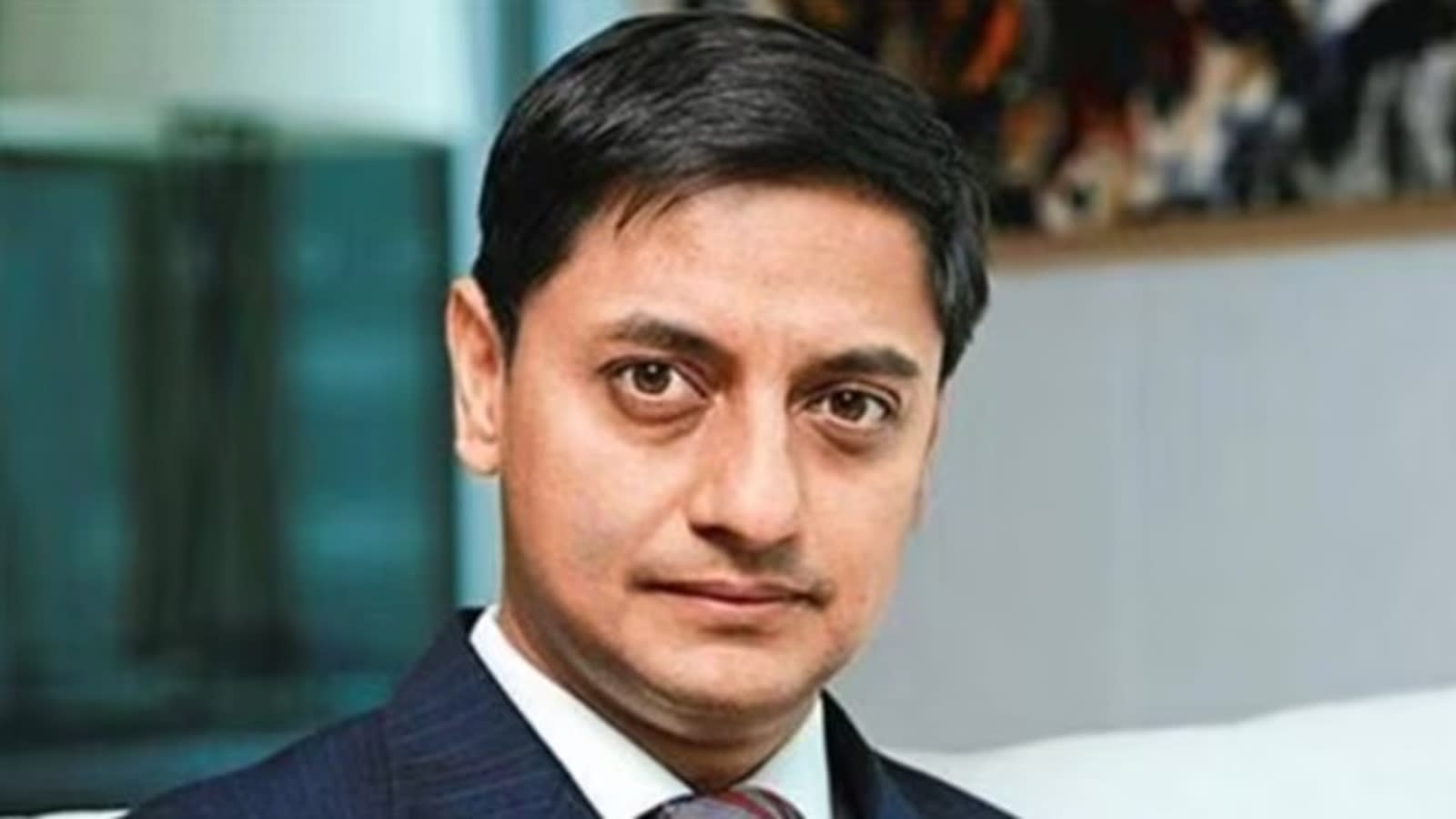
Sanjeev Sanyal highlights the importance of sustained compounding growth over short-term spikes for India's long-term economic dominance. His strategy emphasizes a 35-year vision to align India's trajectory with global economic powerhouses like China.
The Power of Compounding in India's Economic Trajectory
Sanjeev Sanyal, a prominent member of the Economic Advisory Council to the Prime Minister (EAC-PM), has recently articulated a strategic framework for India's economic future. Speaking at the Indian Institute of Technology (IIT) Kharagpur during its Platinum Jubilee celebrations, Sanyal emphasized that true national economic dominance is not the result of volatile, short-term surges, but rather the outcome of disciplined, long-term compounding.
Moving Beyond Short-Term Spikes
In his address titled “The Art of Doing Economic Reforms,” Sanyal challenged the conventional obsession with immediate, high-growth quarters. By advocating for a 35-year strategy, he suggests that India must shift its focus toward structural stability. Drawing comparisons to the historical growth patterns of Japan, South Korea, and China, Sanyal identifies the mechanism of compounding as the primary engine that allowed these nations to transform their economies over several decades.
Comparative Historical Context
Historically, the 'Asian Miracle' economies were characterized by their ability to maintain steady growth rates over extended periods. Sanyal’s assessment acknowledges that while rapid spikes can offer temporary relief or visibility, they are often unsustainable and prone to unmanaged volatility. By studying the developmental arcs of China and its predecessors, Sanyal suggests that India’s current policy environment should prioritize the 'art' of reform—a process that is iterative, deliberate, and focused on long-term accumulation of capital and productivity gains.
The 35-Year Strategic Horizon
Defining a 35-year timeline is a significant departure from typical electoral or fiscal cycles. This long-term perspective suggests that the EAC-PM is looking to institutionalize reforms that survive political transitions. The goal is to reach a trajectory that mirrors the successful catch-up models of the late 20th century, where sustained investment in infrastructure, education, and market liberalization created a cumulative effect that eventually redefined global economic power.
Implications for Future Policy
For investors and policymakers, Sanyal’s remarks signal a move toward 'steady-state' economics. If India successfully adopts this compounding mindset, the focus will likely remain on reducing friction in the business environment and maintaining macroeconomic stability. This approach aims to minimize the boom-bust cycles that have historically plagued emerging markets, instead fostering an environment where consistent, year-on-year growth becomes the norm rather than the exception.
Conclusion: A New Era of Growth
Ultimately, Sanyal’s vision for India is one of disciplined endurance. By prioritizing compounding growth, India is positioning itself to not only catch up with regional peers like China but to establish a sustainable economic foundation. The transition from a decade of expansion to a higher, more reliable trajectory will depend on the continued adherence to these principles of long-term reform and strategic patience.