Sarnath Added To UNESCO World Heritage List, 45th Site From India
Source Entity
NDTV News Search Records Found 1000
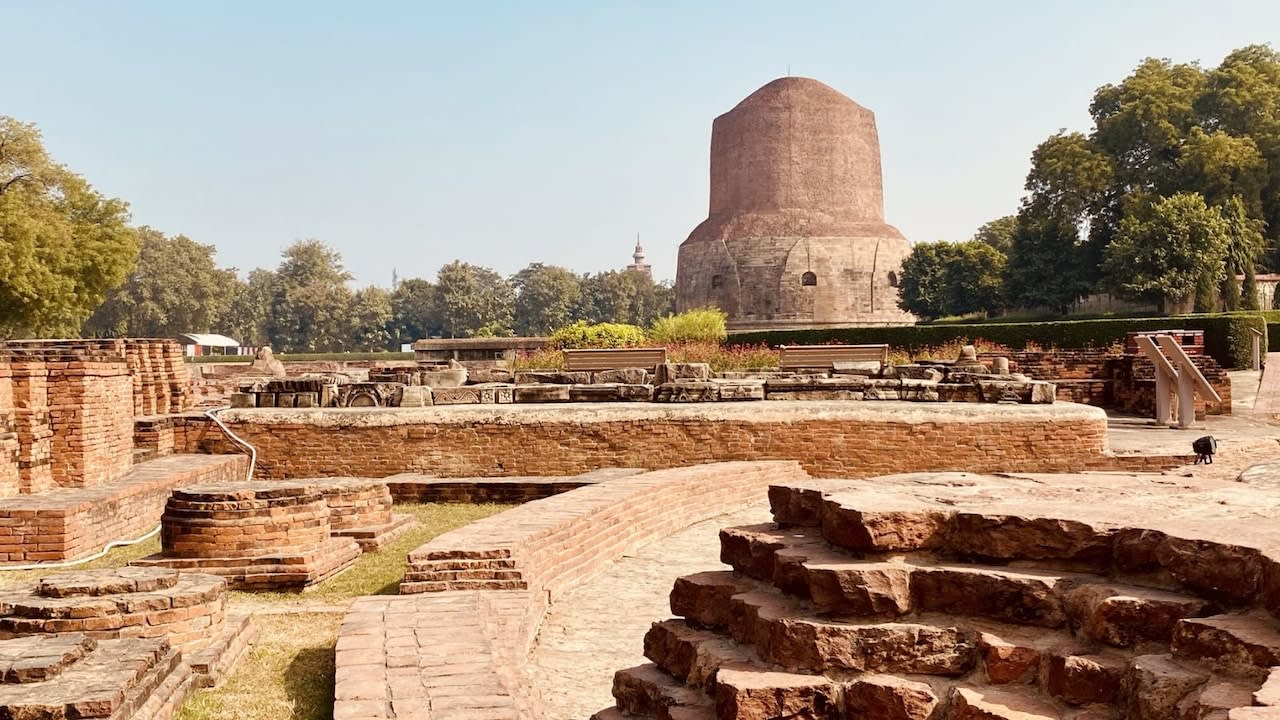
Sarnath has been officially designated as India's 45th UNESCO World Heritage site. This recognition highlights the location's profound historical and spiritual significance as a major Buddhist center.
The Global Recognition of Sarnath
Sarnath, located in the Indian state of Uttar Pradesh, has officially been inscribed on the UNESCO World Heritage list, marking it as the 45th site from India to receive this prestigious designation. This recognition serves as a testament to the site’s enduring historical, cultural, and spiritual importance, solidifying its place in the global narrative of human heritage. By joining this select group of sites, Sarnath is now afforded a higher level of international protection and a platform for increased global awareness regarding its preservation.
Historical and Spiritual Significance
As an ancient Buddhist center, Sarnath holds a central place in the history of Buddhism. It is traditionally recognized as the location where Siddhartha Gautama, after attaining enlightenment under the Bodhi tree in Bodh Gaya, delivered his first sermon to his five companions. This pivotal moment, often referred to as the 'Turning of the Wheel of Dharma,' laid the foundation for the Buddhist sangha and the global spread of the religion. The site serves as a physical bridge to the ancient past, housing relics and structures that reflect the architectural and religious evolution of the region.
Architectural and Archaeological Value
Beyond its spiritual roots, Sarnath is an archaeological treasure trove. The site features the iconic Dhamek Stupa and the remains of various monasteries and temples that span several centuries. These structures provide invaluable insight into the artistic traditions of the Mauryan and Gupta periods, among others. The preservation of these ruins is essential for historians and archaeologists to understand the patronage of Buddhism by ancient rulers, most notably Emperor Ashoka, who was a significant benefactor of the site.
Impact on Cultural Tourism and Infrastructure
UNESCO status typically acts as a catalyst for sustainable tourism and infrastructure development. With this new designation, Sarnath is expected to see a significant increase in international and domestic visitors. This shift necessitates a balanced approach to development—one that preserves the sanctity of the site while providing modern amenities for pilgrims and tourists. The local government in Uttar Pradesh will likely coordinate with national archaeological bodies to enhance site management, visitor safety, and educational outreach programs.
Future Trends and Preservation Challenges
Looking ahead, the inclusion of Sarnath in the UNESCO list brings both opportunities and challenges. While it elevates the site's profile, it also places a greater burden on authorities to combat the wear and tear associated with increased foot traffic. Future trends likely involve the integration of digital heritage management tools, such as 3D mapping and virtual reality experiences, to help visitors engage with the site’s history without compromising the physical integrity of the ancient structures.
Conclusion
The recognition of Sarnath as India's 45th UNESCO World Heritage site is a monumental achievement for cultural heritage conservation. It highlights the importance of protecting the physical remnants of the world's major belief systems. As Sarnath steps into this new chapter of global recognition, the focus must remain on a holistic conservation strategy that honors its spiritual legacy while ensuring its structures endure for future generations to study and appreciate.
Verification Required?