Saudi Arabia Intercepts Four Drones Over Riyadh Amid Houthi Attacks
Source Entity
NDTV News Search Records Found 1000
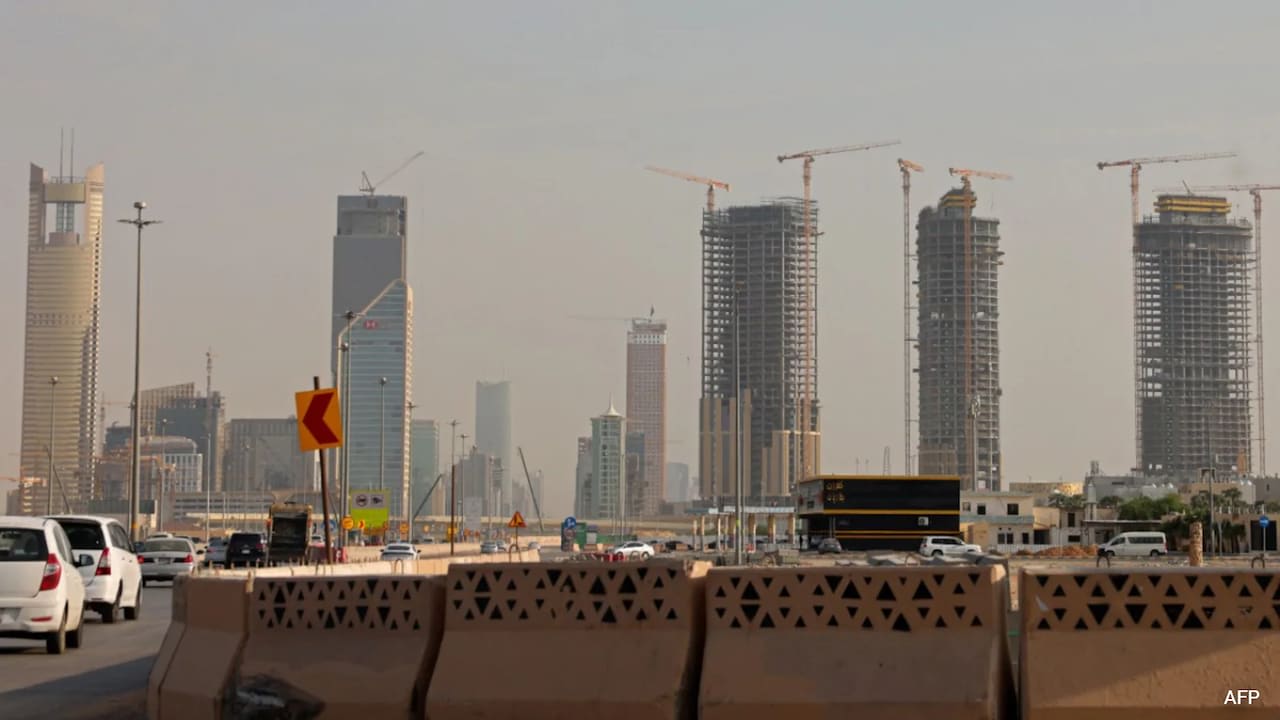
Saudi Arabia has successfully intercepted four drones targeting Riyadh amid ongoing regional hostilities. This incident highlights the persistent security threat posed by Houthi missile and drone strikes against the kingdom.
Escalation in the Skies: Riyadh Intercepts Drone Threats
Saudi Arabia’s defense systems have once again been tested as authorities successfully intercepted four drones over the capital, Riyadh. This latest security challenge underscores the volatile nature of the ongoing conflict involving the Houthi movement, which has frequently targeted the kingdom’s urban centers and critical infrastructure. The interception serves as a stark reminder of the persistent and evolving aerial threats that have defined the regional security landscape for years.
The Houthi Aerial Campaign
The Houthi group, based in Yemen, has maintained a consistent strategy of deploying long-range missile and drone strikes against Saudi Arabian territory. These attacks often utilize a mix of loitering munitions and ballistic missiles, designed to challenge the kingdom's sophisticated air defense networks. By targeting Riyadh, the capital and a center of political and economic activity, the Houthis aim to exert significant pressure on the Saudi-led coalition, signaling their reach and technical capabilities despite international efforts to broker a lasting ceasefire.
Strategic Defense and Regional Stability
The ability of Saudi Arabia to neutralize these threats demonstrates the operational readiness of its air defense forces, which rely on advanced interceptor systems to protect civilian populations. However, the recurring nature of these incidents complicates the broader geopolitical environment. Each successful interception prevents potential casualties and infrastructure damage, yet the frequency of these attempts keeps the region in a state of high alert, hindering efforts to stabilize the border and promote long-term peace initiatives.
Broader Geopolitical Implications
These drone attacks are not merely isolated tactical events; they are deeply intertwined with the wider power struggles currently unfolding in the Middle East. The persistence of these strikes creates a cycle of escalation that tests international diplomatic resolve. Observers note that such attacks serve as leverage for the Houthis in negotiations, while simultaneously forcing Saudi Arabia to maintain a high-expenditure defensive posture that impacts its domestic and foreign policy priorities.
Future Trends and Security Outlook
Looking ahead, the focus on drone warfare is likely to intensify, as both state and non-state actors increasingly turn to cost-effective, unmanned aerial systems to conduct asymmetric operations. For Saudi Arabia, the challenge lies in sustaining a robust defense while navigating the complex diplomatic pathways required to de-escalate the conflict. The integration of artificial intelligence and advanced radar technology will be critical in future defense strategies to detect and neutralize these threats before they reach populated areas.
Conclusion
In summary, the interception of four drones over Riyadh is a critical development in the ongoing regional conflict. While the kingdom’s defensive capabilities have proven effective in preventing catastrophe, the sustained nature of these attacks underscores the urgent need for a comprehensive political resolution. Until a durable diplomatic framework is established, the skies over the Arabian Peninsula will remain a primary theater for this protracted and dangerous security standoff.
Verification Required?