Saudi Alliance Intercepts 2 Houthi Missiles, 3 Drones Targeting Riyadh
Source Entity
NDTV News Search Records Found 1000
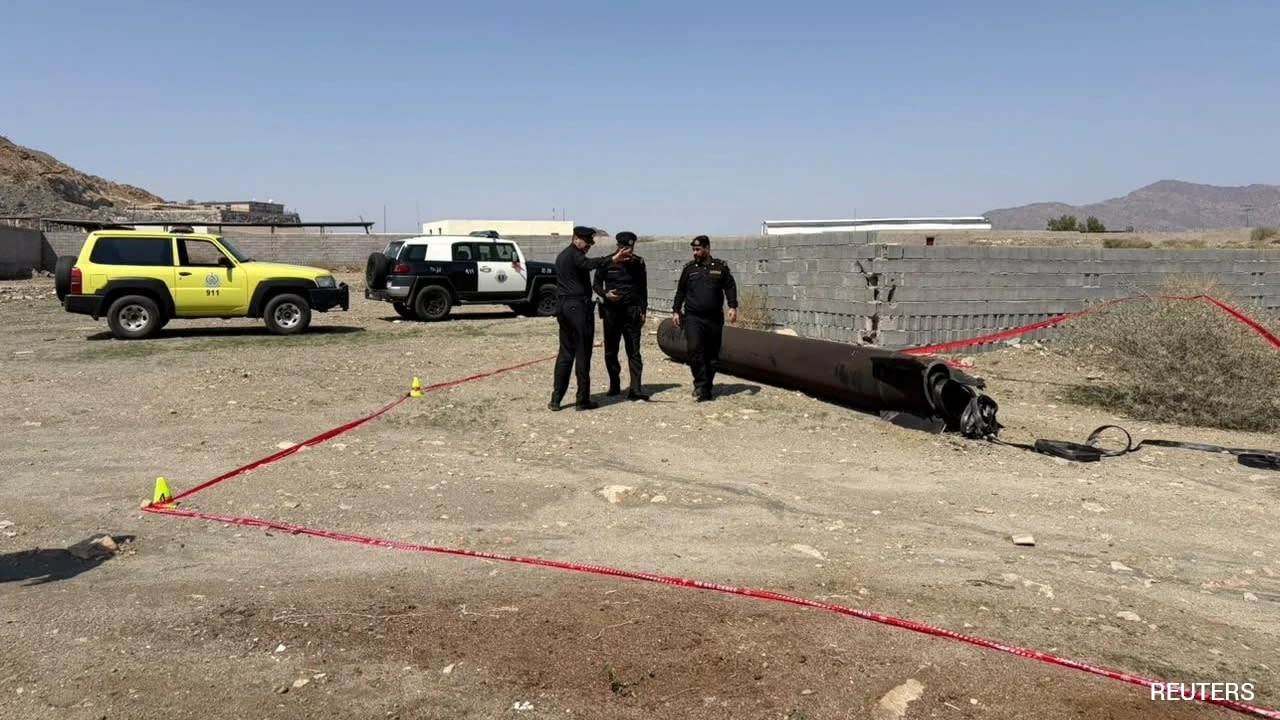
The Saudi-led coalition successfully intercepted two Houthi-fired missiles and three drones targeting Riyadh. This incident highlights a significant escalation in the ongoing regional conflict and persistent security threats to the Saudi capital.
Escalation in the Arabian Peninsula: Riyadh Under Fire
The recent interception of two ballistic missiles and three unmanned aerial vehicles (UAVs) by the Saudi-led coalition marks a dangerous intensification in the ongoing conflict between the Houthi movement and the Saudi government. By targeting the capital city of Riyadh, the Houthis have demonstrated an increased reach and a strategic shift toward high-profile, symbolic infrastructure. This development underscores the persistent volatility that has characterized the region since the escalation of the Yemeni civil war.
The Strategic Shift in Houthi Capabilities
For years, the conflict has been defined by regional skirmishes; however, the recent uptick in cross-border aerial attacks indicates a sophisticated evolution in Houthi military capabilities. The utilization of both ballistic missiles and coordinated drone swarms suggests an enhanced ability to bypass defensive perimeters. These attacks on Riyadh serve as a calculated pressure tactic, intended to disrupt urban stability and project power far beyond the immediate frontlines in Yemen.
Regional Security and Coalition Response
The Saudi-led coalition remains the primary defensive bulwark against these incursions. The successful interception of these projectiles reinforces the effectiveness of Saudi Arabia’s air defense systems, which are critical for protecting the capital’s civilian population and critical infrastructure. Nevertheless, the frequency of these attempts forces the coalition to maintain a state of perpetual high alert, which carries significant economic and operational burdens for the kingdom.
Broader Geopolitical Implications
This surge in hostilities arrives at a sensitive juncture for Middle Eastern diplomacy. The persistence of these attacks complicates efforts to secure a lasting ceasefire and complicates broader regional de-escalation initiatives. As the Houthis continue to leverage aerial assets to influence the political discourse, the international community faces growing difficulty in mediating a resolution that satisfies both the security requirements of the Saudi state and the various interests of the Yemeni factions.
Future Trends and Outlook
Looking ahead, the security landscape appears fraught with uncertainty. If the current trend of targeting major urban hubs continues, it is likely that the Saudi government will seek to further bolster its defensive partnerships and intelligence gathering to neutralize drone launch sites before they reach operational range. The regional impact of these events will likely hinge on whether diplomatic channels can gain traction before the cycle of retaliation and escalation reaches a point of no return.
Verification Required?