Saudi Strikes Houthi-Rebel-Controlled Hodeidah Province In Yemen
Source Entity
NDTV News Search Records Found 1000
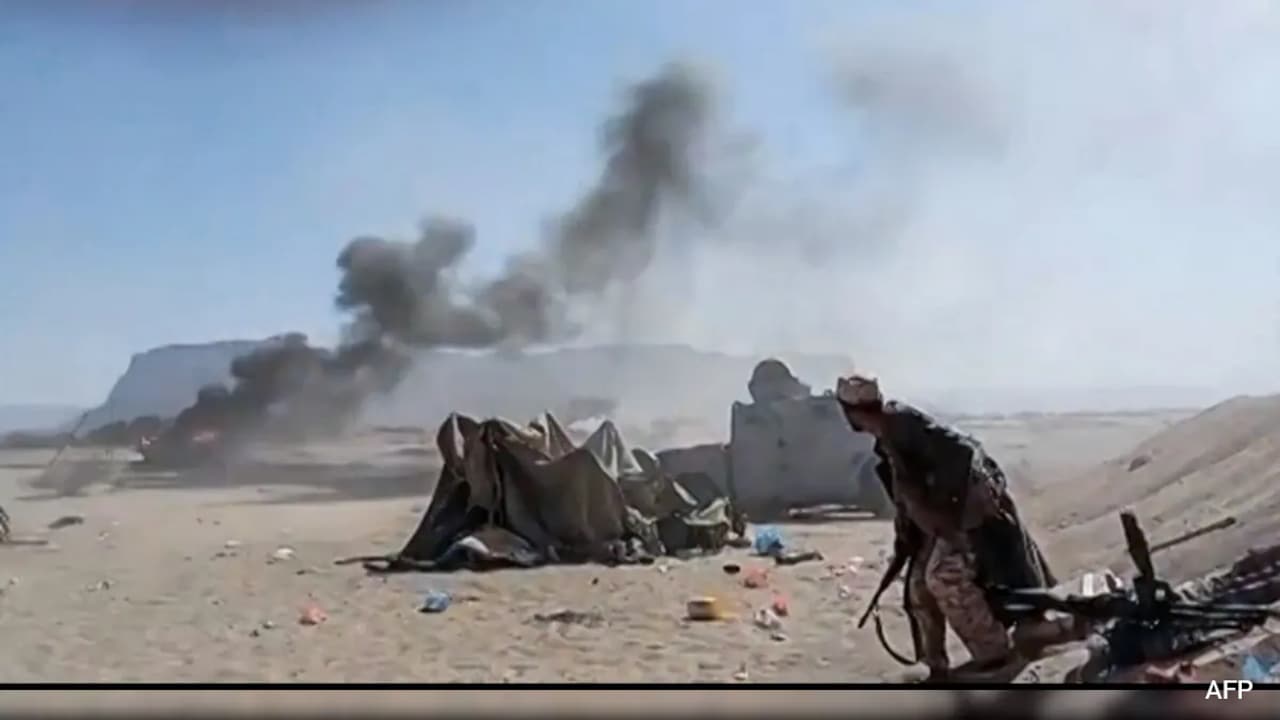
Saudi forces conducted military strikes against Houthi-rebel-controlled areas in Yemen's Hodeidah province this Friday. This action marks a continuation of the long-standing regional conflict involving the Red Sea governorate.
Escalation in Hodeidah: A Deep Dive into the Saudi-Houthi Conflict
The recent military engagement in Yemen, specifically the Saudi-led strikes targeting the Hodeidah governorate, represents a significant development in a conflict that has persisted for nearly a decade. Hodeidah serves as a critical strategic hub, primarily due to its position on the Red Sea and its function as the primary lifeline for humanitarian aid and commercial imports entering Yemen. By targeting this region, coalition forces are directly engaging with the logistical and military backbone of the Houthi movement.
Strategic Importance of the Red Sea Coast
The Red Sea coast remains the most contentious theater of the Yemeni civil war. Hodeidah is not merely a geographic location; it is the gateway through which the majority of the nation's food, fuel, and medical supplies must pass. Control over this province provides the Houthi rebels with significant leverage, both in terms of internal distribution and as a platform for projecting military influence into international shipping lanes. Saudi Arabia’s focus on this area highlights the ongoing effort to restrict Houthi capabilities and maintain pressure on the movement's supply lines.
The Dynamics of Targeted Strikes
Military operations in Hodeidah are inherently complex due to the dense population and the fragile infrastructure of the province. When coalition forces initiate strikes in this region, the primary objective is often the neutralization of specific assets, such as missile launch sites or weapons storage facilities, which are believed to be used to threaten regional stability. However, these actions also underscore the persistent failure of diplomatic efforts to achieve a permanent ceasefire, suggesting that military posturing remains the default stance for the involved parties.
Historical Context and Regional Implications
The conflict in Yemen, which escalated significantly following the Saudi-led intervention in 2015, is deeply tied to broader regional power struggles. Saudi Arabia views the Houthi movement as an extension of Iranian influence on its southern border, viewing their control of key territories like Hodeidah as an unacceptable security risk. Consequently, any military activity in this province is viewed through the lens of national security for the Kingdom, often leading to a cycle of retaliatory actions and counter-strikes that complicate any potential peace process.
Future Trends and Outlook
Looking ahead, it is likely that Hodeidah will remain a focal point of contention. As long as the Houthi rebels maintain their presence in the governorate, military friction between them and the Saudi-led coalition is expected to continue. Future developments will depend heavily on whether international mediators can facilitate a new round of talks or if the status quo of intermittent kinetic warfare will persist. The situation serves as a stark reminder of the volatile nature of the Yemeni conflict and the difficulty in securing long-term regional stability.
Conclusion
In summary, the strikes in Hodeidah are a clear manifestation of the unresolved tension between the Saudi-led coalition and Houthi forces. By targeting this vital Red Sea province, the coalition seeks to disrupt the rebels' operational capacity. However, this strategy carries significant risks and reinforces the reality that, despite various attempts at de-escalation, the path to a lasting peace in Yemen remains obstructed by deeply entrenched security concerns and military objectives.
Verification Required?