SIR row: SC defers hearing, grants petitioner 10 days to reply to EC's counter-affidavit
Source Entity
AASTHA JHA
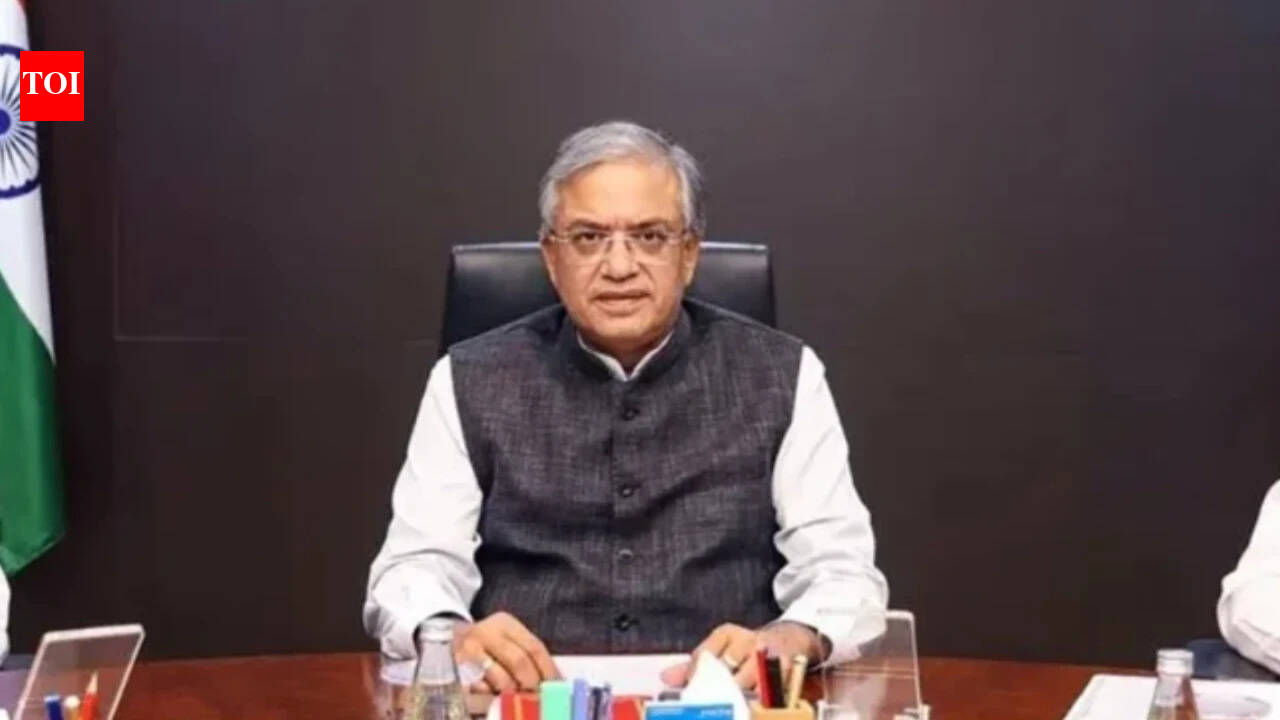
The Supreme Court has deferred a hearing concerning allegations of unilateral decision-making by the CEC regarding electoral rolls. Meanwhile, the UP CEO's office issued an apology for using inappropriate language in social media responses regarding voter roll errors.
Judicial Oversight and the Election Commission Controversy
The Supreme Court of India has recently deferred a significant hearing concerning the operational integrity of the Election Commission (EC). The legal challenge, initiated by advocate Rakesh Kumar Singh, stems from reports alleging that Chief Election Commissioner (CEC) Gyanesh Kumar may have bypassed the requirement for unanimous decision-making. Specifically, the petition highlights concerns regarding the Special Intensive Revision (SIR) of electoral rolls, suggesting that the internal functioning of the commission has been marked by discord rather than the consensus expected of a constitutional body.
The Basis of the Legal Challenge
The petition before the Supreme Court is largely informed by investigative reporting which highlighted that Election Commissioners Sukhbir Singh Sandhu and Vivek Joshi had formally recorded disagreements on 14 separate occasions over a 10-month period. This pattern of dissent forms the core of the petitioner’s argument, which seeks the suspension of the CEC pending a full probe into these allegations. The Supreme Court has now granted the petitioner 10 days to file a response to the EC’s counter-affidavit, effectively pushing the substantive proceedings to a date post-Diwali.
The EC’s Stance on Electoral Procedures
In its defense, the Election Commission has maintained that all decisions pertaining to the Special Intensive Revision (SIR) were reached unanimously. By submitting a formal counter-affidavit, the EC is attempting to reassure the judiciary and the public that its internal mechanisms remain robust and compliant with statutory requirements. The outcome of this legal battle is critical, as it directly impacts public trust in the voter registration process and the administration of Form 6 applications, which are essential for voter enrollment.
Administrative Accountability and Digital Conduct
Parallel to the high-level legal scrutiny, the Uttar Pradesh Chief Electoral Officer’s (CEO) office faced a separate administrative crisis involving public communication. The office was compelled to issue a public apology for a series of posts on X (formerly Twitter) that were widely criticized for their sharp and inappropriate tone. This controversy erupted after opposition leaders pointed out errors in the Legislative Council electoral roll, including the presence of bizarre and inaccurate voter names.
The Broader Implications for Electoral Integrity
The apology issued by the UP CEO's office—promising more dignified and formal communication—highlights the pressure electoral bodies face in an era of heightened social media scrutiny. When official handles engage in confrontational discourse, it detracts from the perceived neutrality required of election officials. The convergence of these two events—the Supreme Court case regarding internal decision-making and the local controversy over voter roll accuracy—underscores a challenging period for the Indian electoral machinery.
Future Outlook and Conclusion
As the Supreme Court prepares for the post-Diwali hearings, the focus will remain on whether the petitioner can provide sufficient evidence to challenge the EC's claim of unanimity. For the electorate, these developments serve as a reminder of the importance of transparency in the revision of electoral rolls. Future trends suggest that the judiciary will likely continue to play a pivotal role in ensuring that constitutional bodies like the EC adhere strictly to their mandate, while administrative offices will need to adopt more rigorous standards for public accountability to maintain the sanctity of their office.