Today News Headlines for School Assembly, July 15, 2026: CBSE three-language policy, Hormuz passage levy
Source Entity
The Indian Express
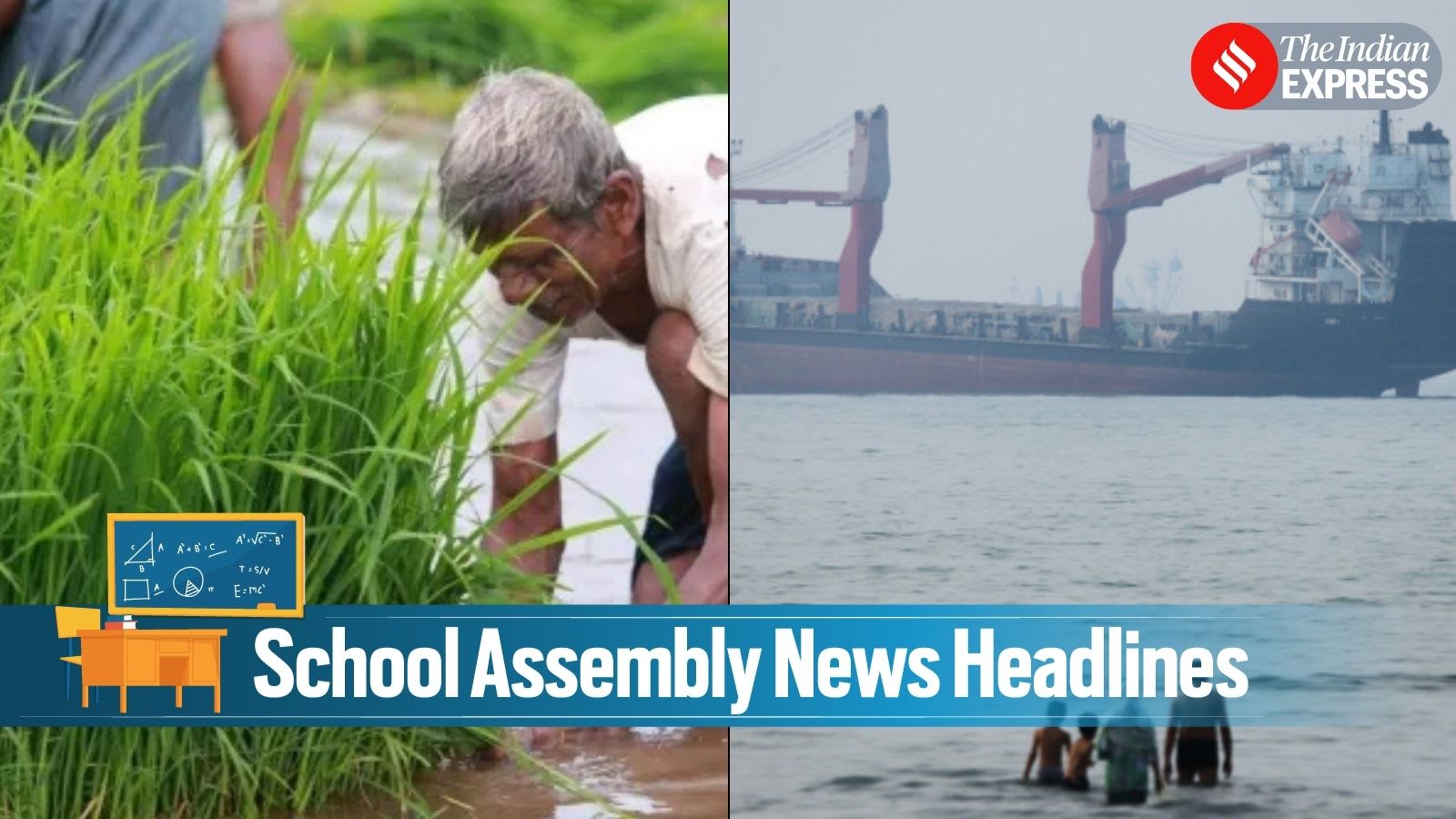
News headlines for July 15, 2026, highlight three critical areas: the implementation of the CBSE three-language policy, geopolitical tensions involving a levy on the Hormuz passage, and the agricultural impact of delayed monsoon rains on kharif sowing.
Comprehensive Analysis of News Headlines: July 15, 2026
Today's news cycle presents a complex intersection of educational reform, geopolitical instability, and environmental challenges. The headlines for the school assembly on July 15, 2026, reflect a nation balancing internal structural changes with external economic pressures. The diversity of these topics—ranging from the classroom to the Strait of Hormuz and the agricultural heartlands—underscores the multifaceted nature of the current socio-economic climate.
Educational Evolution: The CBSE Three-Language Policy
One of the primary domestic focuses is the ongoing implementation of the CBSE three-language policy. This initiative is deeply rooted in the National Education Policy (NEP) 2020, which emphasizes multilingualism as a cognitive asset and a means of preserving cultural heritage. By requiring students to learn three languages—typically Hindi, English, and a regional or classical language—the policy aims to bridge the linguistic divide across India's diverse states. However, the analysis suggests that the transition period has been fraught with logistical challenges, including the shortage of qualified language teachers and resistance in certain non-Hindi speaking regions. The long-term implication is a generation of students with greater cross-cultural mobility, though the immediate hurdle remains standardized implementation across different school boards.
Geopolitical Friction: The Hormuz Passage Levy
On the international front, the mention of a "Hormuz passage levy" indicates a high-stakes geopolitical standoff. The Strait of Hormuz is the world's most important oil chokepoint, through which a significant portion of the world's petroleum passes. The introduction of a levy or transit fee in this region would have immediate and severe repercussions for global energy markets. For India, which relies heavily on Middle Eastern crude oil, such a levy would likely lead to an increase in fuel prices, subsequently driving up transportation costs and overall inflation. This development suggests a period of heightened tension in the Persian Gulf, necessitating diplomatic intervention to ensure the free flow of commerce and energy security.
Agricultural Anxiety: Delayed Monsoons and Kharif Sowing
Simultaneously, the agricultural sector is facing a crisis due to delayed monsoon rains. The Kharif season, which relies heavily on the southwest monsoon for crops like rice, maize, and cotton, is currently at risk. Delayed sowing disrupts the entire crop cycle, potentially leading to lower yields and reduced food security. Historically, the Indian economy has been highly sensitive to monsoon variability; a significant delay often results in a dip in rural income and a spike in food inflation. This environmental stressor compounds the economic pressure already exerted by global energy volatility, placing a double burden on the national economy.
Synthesizing the Broader Implications
When viewed collectively, these events paint a picture of a society in transition. The shift in education policy represents a move toward cultural integration, while the energy and agricultural crises represent the fragility of the supply chain and the environment. The synergy between these events suggests that while India is investing in its human capital through education, it remains vulnerable to external geopolitical shocks and climate instability. The ability of the government to manage the energy costs stemming from the Hormuz levy while supporting farmers during a lean monsoon will be critical for maintaining economic stability in the coming quarters.
Summary
In conclusion, the events of July 15, 2026, highlight a critical juncture for India. The pursuit of linguistic diversity in schools is a forward-looking goal, but it is currently shadowed by the immediate threats of energy insecurity in the Middle East and agricultural uncertainty at home. The coming months will likely see a push for diversified energy imports and intensified climate-resilient farming practices to mitigate these systemic risks.