Seán Hewitt: “Love is a great spur to fiction”
Source Entity
Latest News: Todays Latest News Headlines from India & World | Hindustan Times | Hindustan Times
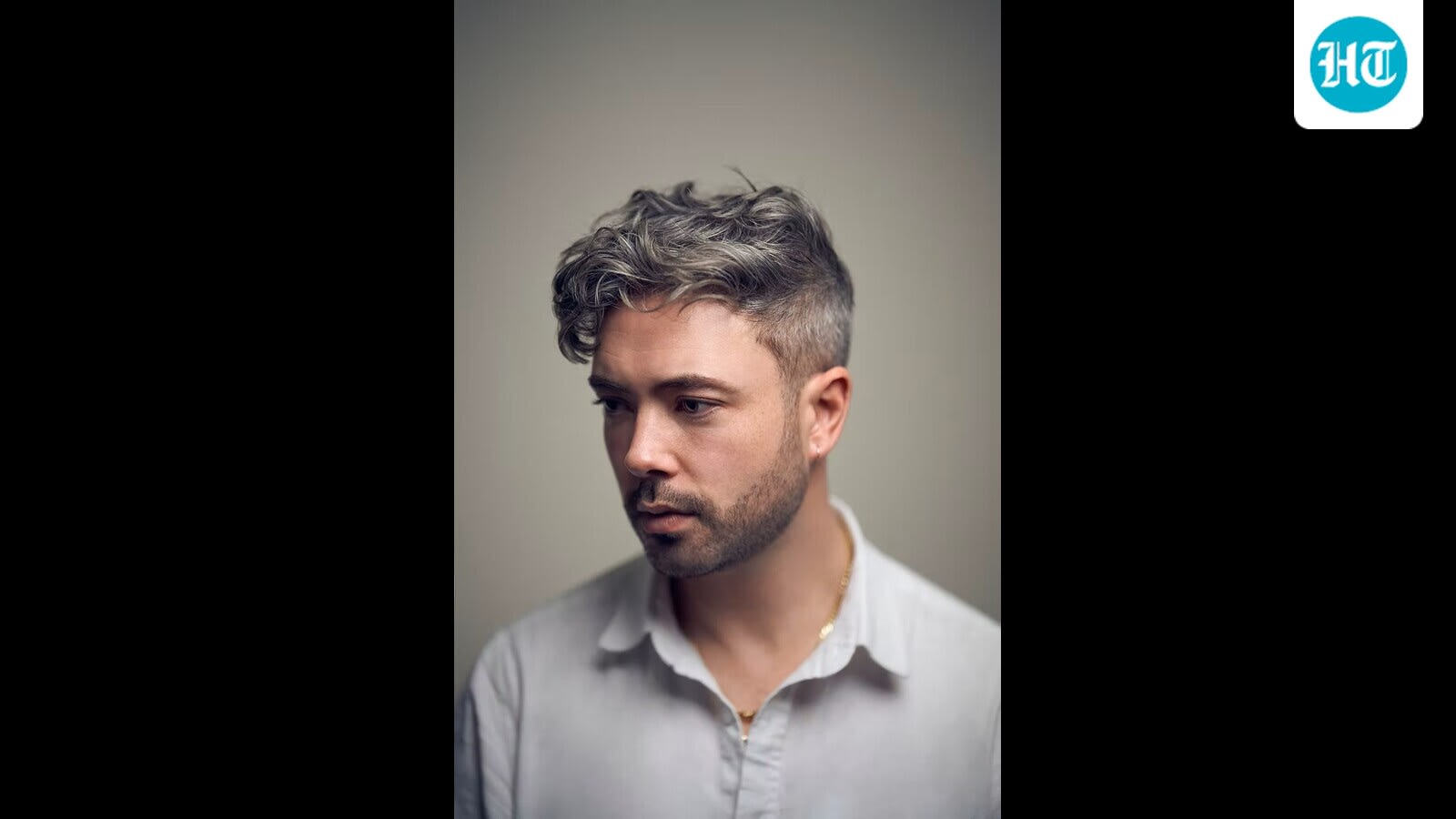
Award-winning poet Seán Hewitt discusses the release of his debut novel, 'Open, Heaven,' highlighting how William Blake’s radical philosophy influenced his writing. The novel explores queer identity and pastoral themes through the lens of memory and desire.
The Intersection of Memory and Radical Poetics
Award-winning poet Seán Hewitt has transitioned into prose with his debut novel, Open, Heaven, a work that serves as a profound meditation on the texture of memory, queer identity, and pastoral landscapes. Hewitt’s shift from poetry to fiction is not merely a change in format but an evolution of his thematic interests, where the boundaries between the internal self and the external environment are constantly negotiated. By grounding his narrative in the lived experience of queer existence, Hewitt constructs a world that is as much about the reclamation of space as it is about the articulation of desire.
The Influence of William Blake
Central to Hewitt’s creative process is the profound influence of the 18th-century visionary William Blake. Hewitt characterizes Blake’s work as a cornerstone of his own artistic liberation, specifically citing the poet-painter's radical counter-culturalism. By engaging with texts like The Marriage of Heaven and Hell, Hewitt finds a blueprint for transgressive thought that challenges societal norms surrounding sex, joy, and desire. This engagement with Blake is not academic; it is an active, living dialogue that informs Hewitt’s own approach to creative expression.
Liberating the Unacted Desire
Hewitt reflects on the transformative power of Blake’s proverbs, such as the infamous assertion that it is better to "murder an infant in its cradle than nurse unacted desires." For Hewitt, these words represent a call to authenticity and the necessity of creative action. This philosophy is deeply embedded in Open, Heaven, where the characters grapple with the weight of their own repressed histories. By embracing the "bizarreness" of the human condition, Hewitt argues that art must act as a vessel for the unfiltered expression of the soul, regardless of the discomfort it may cause.
Pastoral Landscapes and Queer Identity
Open, Heaven is described as both queer-centric and pastoral, a deliberate juxtaposition that highlights the tension between natural beauty and the struggle for identity. Hewitt utilizes the landscape as a mirror for the interior life of his characters, suggesting that the natural world is not a static backdrop but an active participant in the queer experience. This pastoral focus allows Hewitt to explore themes of isolation and belonging, drawing on the historical tradition of nature writing while simultaneously subverting it to accommodate a contemporary queer narrative.
The Future of Creative Synthesis
As Hewitt moves forward in his career, his work suggests a growing trend in contemporary literature: the synthesis of classic, radical philosophy with modern, intersectional identity politics. By positioning his debut novel within the lineage of Blake’s "joy of making things," Hewitt asserts that fiction is not merely an act of storytelling, but an act of survival. His commitment to the "texture of memory" indicates that future projects will likely continue to explore how the past—both personal and literary—shapes our current understanding of love and freedom.
Conclusion
In sum, Seán Hewitt’s Open, Heaven stands as a testament to the enduring power of literary influence. By bridging the gap between the radical visions of William Blake and the nuanced realities of queer life today, Hewitt has created a narrative that honors the necessity of expression. His work serves as a reminder that love, when viewed through the lens of fiction, remains one of the most potent spurs to creative and personal liberation.
Verification Required?