'An annoying buzz': The search for stealthier drones
Source Entity
BBC News
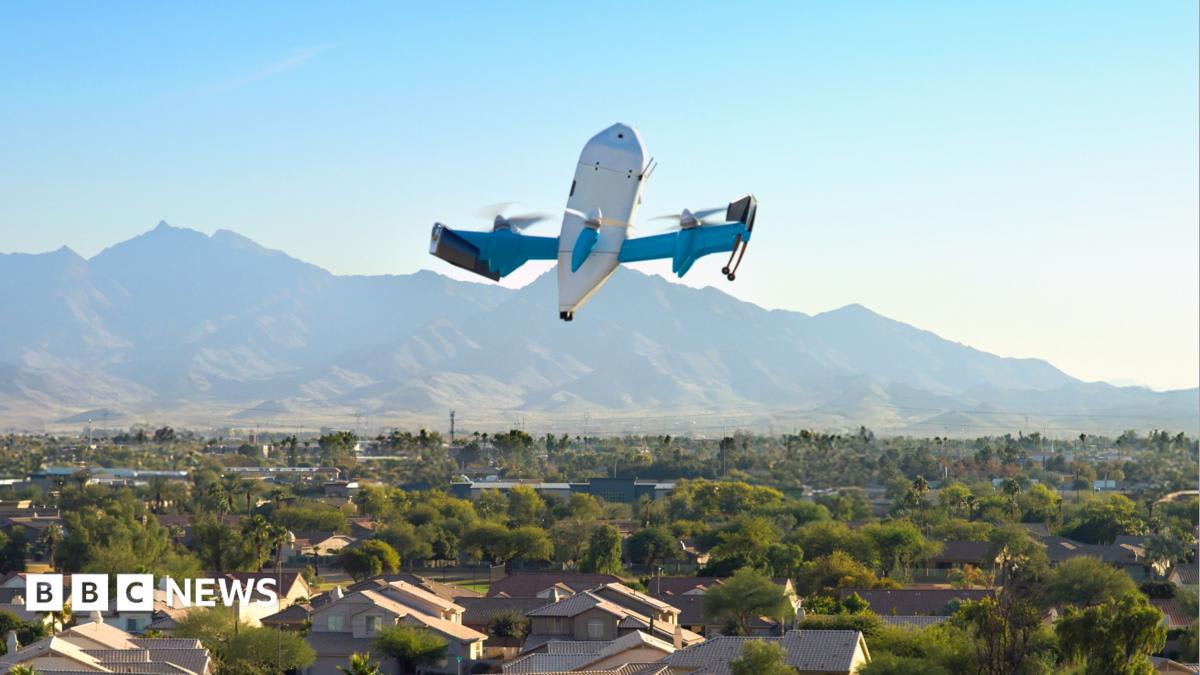
As drone delivery services from companies like Amazon and Walmart expand, noise pollution has emerged as a significant public concern. Manufacturers are now prioritizing acoustic engineering to create quieter, stealthier drones to address community frustration.
The Silent Revolution: Addressing the Drone Noise Dilemma
As the integration of autonomous delivery vehicles into the urban landscape accelerates, a significant friction point has emerged: acoustic pollution. While the promise of rapid, efficient home delivery via drone has moved from speculative novelty to a tangible reality, the 'annoying buzz' generated by these aerial devices is causing tangible distress for residents in communities across the United States and the United Kingdom. Companies like Amazon and Walmart are leading the charge in this logistics transformation, but they now face the challenge of balancing operational speed with community acceptance.
Scaling the Skies: The Expansion of Drone Logistics
The landscape of last-mile delivery is shifting rapidly. Amazon Prime Air is currently scaling its operations to encompass nearly 500 cities and towns, targeting the distribution of smaller items that fit within the dimensions of a shoe box. Simultaneously, the market is diversifying, with smaller, localized startups facilitating the rapid delivery of perishable goods like pizza and ice cream. This proliferation of airborne logistics means that drone traffic is transitioning from an occasional curiosity to a persistent feature of the suburban and urban soundscape.
The Anatomy of the 'Annoying Buzz'
The frustration reported by residents stems from the unique acoustic profile of drones. Unlike the rhythmic, familiar sounds of urban traffic, drone noise is often characterized by high-frequency, persistent whirring that can be particularly intrusive. Even in environments already accustomed to high levels of ambient noise, the specific pitch and erratic flight patterns of delivery drones tend to cause disproportionate irritation. This psychological impact is a critical hurdle for companies looking to normalize these services in residential zones.
Engineering Stealth: The Path Forward
In response to mounting public feedback, drone manufacturers are pivoting toward advanced acoustic engineering. The goal is to develop 'stealthier' technology that minimizes the sound footprint without compromising the lift capacity or battery efficiency of the aircraft. By experimenting with rotor blade geometry, motor dampening, and noise-canceling flight profiles, industry leaders are attempting to redesign the drone's signature sound to blend more naturally into existing background noise levels, thereby mitigating the 'annoying' factor that currently plagues the industry.
Implications for Future Urban Planning
The long-term viability of drone delivery services depends heavily on public policy and community relations. If companies fail to address noise concerns, they may face strict regulatory limitations, curfews, or outright bans on flights over residential neighborhoods. Conversely, successful acoustic innovation could pave the way for a more seamless integration of drones into daily life, setting a standard for 'quiet logistics' that will likely become a competitive necessity for any player in the drone market.
Conclusion: A Balancing Act
Ultimately, the future of drone delivery hinges on the reconciliation of technological efficiency with the quality of life for those on the ground. While the convenience of ordering ice cream by air is undeniably attractive, the industry must prioritize the mitigation of noise pollution to ensure long-term sustainability. The transition from noisy prototypes to quiet, efficient delivery fleets will be the defining challenge for the next generation of logistics technology.