Art ‘must not be sacrificed on the altar of corporate profit’, Liberal senator says as AI policy debate rages
Source Entity
Tess Ikonomou and Josh Butler
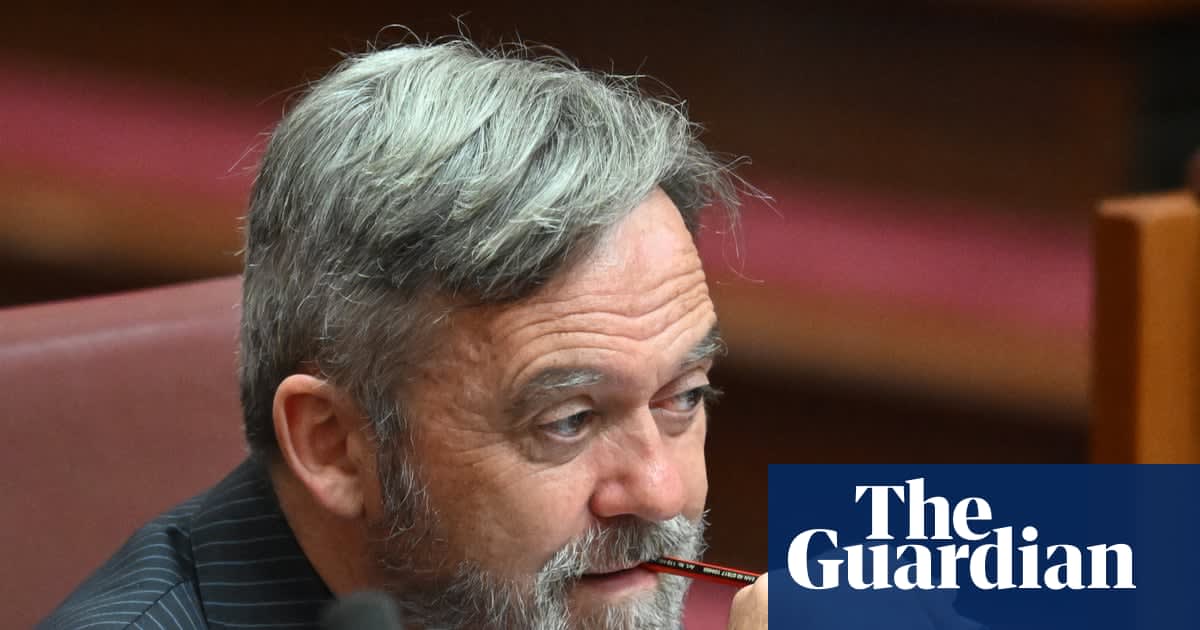
Liberal Senator Andrew McLachlan has criticized both the Labor government and his own party for potentially prioritizing AI corporate investment over artist copyright protections. He warns that watering down these rights could face constitutional challenges regarding the illegal acquisition of property.
The Clash Between AI Innovation and Creative Rights
Liberal senator Andrew McLachlan has ignited a significant debate within Australian politics, challenging the current trajectory of AI policy under both the Labor government and his own Liberal Party. At the heart of his concern is the potential erosion of intellectual property rights, as the government evaluates a broad policy suite that includes the development of massive datacenters, energy resource management, and economic growth strategies linked to artificial intelligence.
The Threat to Intellectual Property
McLachlan’s core argument centers on the assertion that artists' works must not be "sacrificed on the altar of global corporate profiteering." As AI models require vast datasets for training—often scraped from the internet without explicit consent or compensation—the Senator is highlighting a growing friction between the tech industry’s hunger for data and the fundamental rights of creators. He emphasizes that the commodification of creative output for the benefit of corporate entities poses an existential threat to the livelihoods of artists.
Constitutional and Legal Implications
Perhaps the most potent aspect of McLachlan’s intervention is his mention of potential constitutional challenges. He suggests that if the government proceeds to water down copyright laws to facilitate AI training and development, it could be interpreted as an illegal acquisition of property. This legal framing elevates the issue from a mere policy dispute to a potential constitutional crisis, as the Australian government faces the challenge of balancing innovation incentives with established property protections.
Environmental and Infrastructural Concerns
Beyond copyright, McLachlan has broadened the scope of his critique to include the physical infrastructure required to sustain the AI revolution. He warns that the rush to build new datacenters must not take precedence over environmental concerns. This reflects a growing global recognition that AI is not just a digital phenomenon but a resource-intensive one, demanding significant water and electricity usage, which can conflict with national sustainability goals.
Future Trends and Legislative Hurdles
As the Labor government continues to develop its comprehensive AI policy suite, it will likely face intense lobbying from both the technology sector and the arts community. McLachlan’s dissent signals that the path toward a national AI strategy will be fraught with political friction. Moving forward, policymakers will need to determine whether a middle ground exists, perhaps through new licensing frameworks or compensation models, that allows for technological advancement without dismantling the foundational rights of creators.
Conclusion
Senator McLachlan’s warnings serve as a critical reminder that the development of artificial intelligence is as much a political and ethical challenge as it is a technical one. By linking copyright integrity to constitutional property rights and demanding accountability for environmental impacts, the Senator has set a high bar for the government’s upcoming legislative agenda. The outcome of this debate will likely define the balance of power between corporate AI interests and the rights of individual creators in the years to come.