South Korean President Lee warns of 'measures' against Ukraine over prisoner row, demands apology
Source Entity
US Top News and Analysis
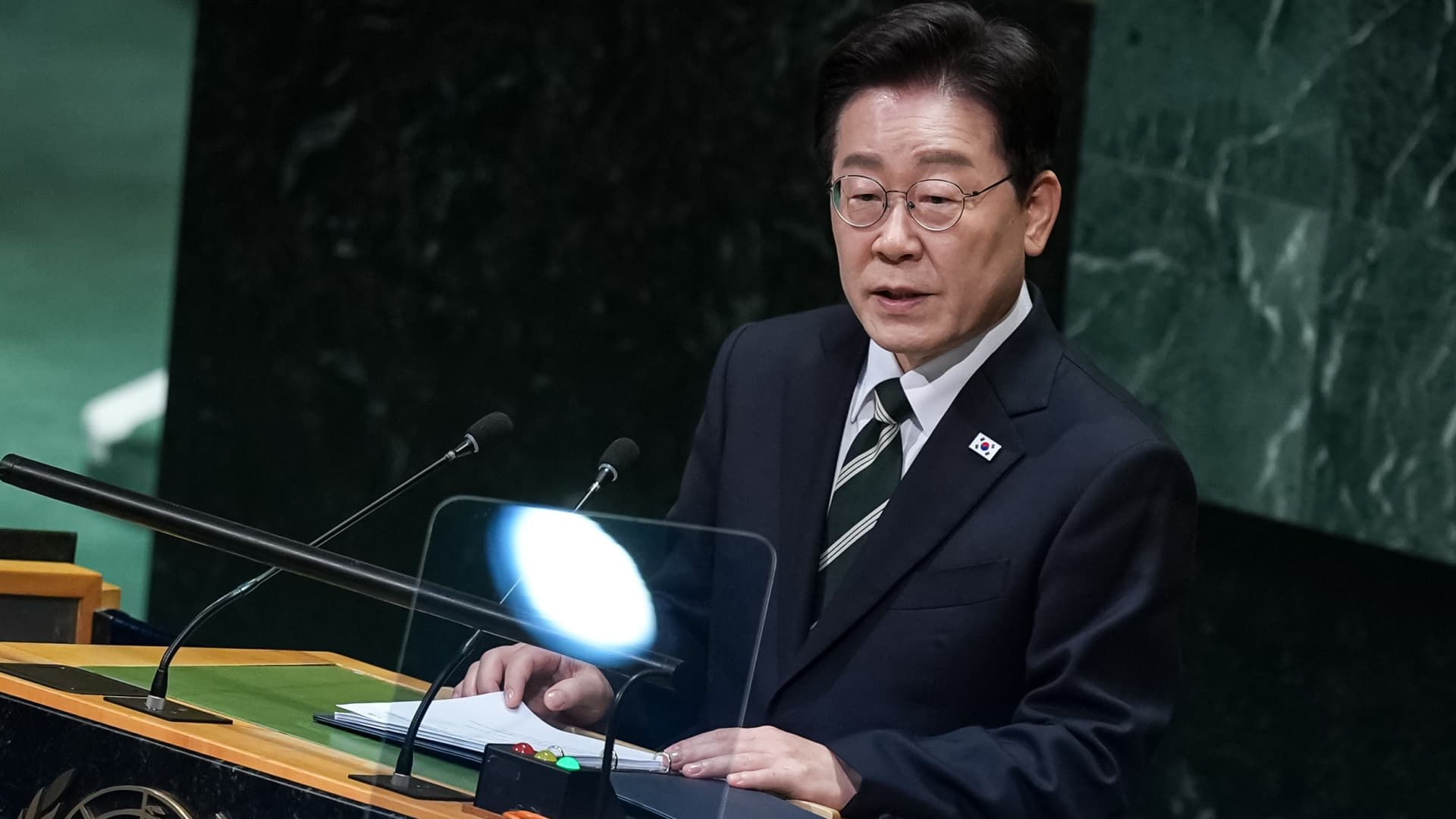
South Korean President Lee Jae Myung has demanded an apology from Ukraine for disclosing the transfer of North Korean prisoners of war to Seoul. The diplomatic rift centers on claims that Kyiv violated confidentiality agreements, potentially endangering the families of the defectors.
The Diplomatic Fallout: Seoul and Kyiv's Prisoner-of-War Dispute
An Unforeseen Escalation
A significant diplomatic friction has emerged between South Korea and Ukraine following the 81st session of the United Nations General Assembly in September 2026. South Korean President Lee Jae Myung has publicly demanded an apology from the Ukrainian government after President Volodymyr Zelensky disclosed that two North Korean prisoners of war had been transferred to South Korea. Seoul contends that this information was meant to remain confidential, citing concerns for the safety of the prisoners' families and broader national security interests.
Sovereignty and National Honor
President Lee has framed the disclosure as an affront to the dignity and honor of the Republic of Korea. By addressing the situation on the social media platform X, Lee underscored that this is not merely a procedural error but a matter of national sovereignty. The South Korean administration argues that Ukraine’s unilateral decision to make the transfer public compromised an established, albeit quiet, arrangement intended to facilitate the relocation of North Korean defectors or captured personnel without triggering unnecessary geopolitical fallout.
The 'Diplomatic Misunderstanding' Defense
In response to the growing tension, Ukrainian Foreign Minister Andrii Sybiha characterized the event as a "diplomatic misunderstanding." Kyiv has expressed a desire to resolve the issue, emphasizing that South Korea remains a vital partner. However, President Lee has rejected this characterization, insisting that the disclosure was an intentional act that ignored the specific requests made by Seoul to maintain the secrecy of the operation. This disconnect between Kyiv’s conciliatory tone and Seoul’s demand for accountability suggests a deep frustration within the South Korean leadership.
Geopolitical Implications on the Peninsula
Perhaps the most alarming aspect of the rhetoric coming from the Blue House is President Lee’s accusation that Ukraine is "attempting to provoke a war on the Korean Peninsula." This rhetoric highlights the precarious nature of the current global security architecture. South Korea is acutely aware of the sensitivity surrounding North Korean military activities and the potential for any information leak to be weaponized by Pyongyang to justify aggressive posturing or to destabilize the region further.
Future Trends and Resolution
As the situation develops, the international community will be watching closely to see what "further action" Seoul might take should an apology not be forthcoming. This dispute threatens to complicate the coalition of nations supporting Ukraine, as it highlights the difficulty of managing sensitive intelligence and personnel transfers during active conflict. Moving forward, both nations will likely need to engage in high-level back-channel diplomacy to restore trust, as a continued rift could have long-term consequences for their bilateral relationship and strategic alignment in the Indo-Pacific.