Sequoia hits rewind, undoing 20 years of expansion
Source Entity
Connie Loizos
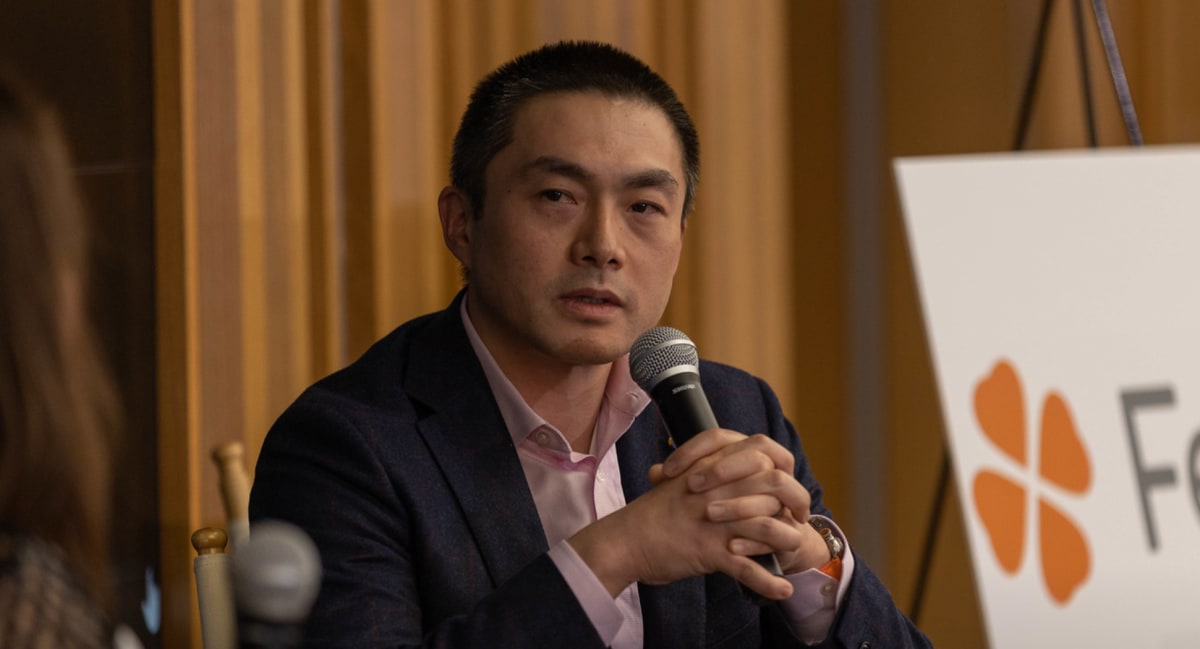
Sequoia Capital is undergoing a major restructuring, consolidating its global operations and programs to return to a leaner, Bay Area-focused model. The firm announced it is closing international offices and specific initiatives while raising $10 billion in new capital.
The Strategic Pivot: Sequoia's Return to Roots
In a move that has sent shockwaves through the venture capital industry, Sequoia Capital has announced a comprehensive restructuring, effectively ending a two-decade era of aggressive global expansion. By consolidating its operations and refocusing on its Bay Area core, the firm is signaling a departure from the sprawling, multi-geography conglomerate model it had cultivated since the early 2000s. This pivot, detailed in a memo titled “The Sequoia of Tomorrow,” represents a calculated attempt to recapture the agility and singular focus that once defined its market dominance.
Dismantling the Global Infrastructure
The scale of this retraction is significant, involving the closure of its London office and the sunsetting of its widely recognized Arc accelerator and Scouts program. These initiatives were hallmark features of Sequoia’s attempts to broaden its influence across global markets and early-stage ecosystems. By eliminating these programs, the firm is not merely cutting costs; it is stripping away the layers of operational complexity that have accumulated as the firm attempted to be everything to every entrepreneur, regardless of location or stage.
Flattening the Hierarchy
One of the most profound changes announced is the internal reorganization aimed at dismantling the hierarchy that emerged during its expansion phase. By merging its early-stage and growth teams into a single, unified unit and abolishing the traditional Monday partner meeting, Sequoia is attempting to streamline decision-making. The firm explicitly acknowledged that its previous growth trajectory resulted in an unintended side effect of structural bureaucracy—a common ailment for firms that scale too rapidly without maintaining a core cultural identity.
The Capital Injection
Despite this massive operational contraction, Sequoia remains a dominant financial force, confirming it has raised approximately $10 billion in new funds. This liquidity ensures that the firm remains highly competitive, even as it narrows its scope. By pairing this fresh capital with a leaner organizational structure, Sequoia is positioning itself to be a more nimble investor, potentially increasing the speed and conviction with which it deploys capital in the Silicon Valley ecosystem.
Implications for the Venture Capital Landscape
This move by Sequoia reflects a broader trend in the venture capital sector, where firms are reconsidering the value of hyper-growth and decentralization. After years of chasing global footprints, the industry is seeing a renewed appreciation for local expertise and concentrated effort. Sequoia’s decision to “rewind” its business model suggests that, in the current economic climate, the risks of managing a complex, globalized firm may outweigh the benefits of diversification.
Future Trends and Conclusion
Looking ahead, the venture capital industry will likely watch Sequoia closely to see if this “back to basics” strategy yields better performance than the expansionary model. If successful, we may see other major firms follow suit, shedding peripheral programs and consolidating their power centers. Ultimately, Sequoia’s pivot is a high-stakes bet that a smaller, more focused partnership can once again identify and nurture the next generation of industry-defining companies more effectively than a sprawling global network.