Nuclear liability caps to get 5-year review under SHANTI Act draft rules
Source Entity
Pratyush Deep
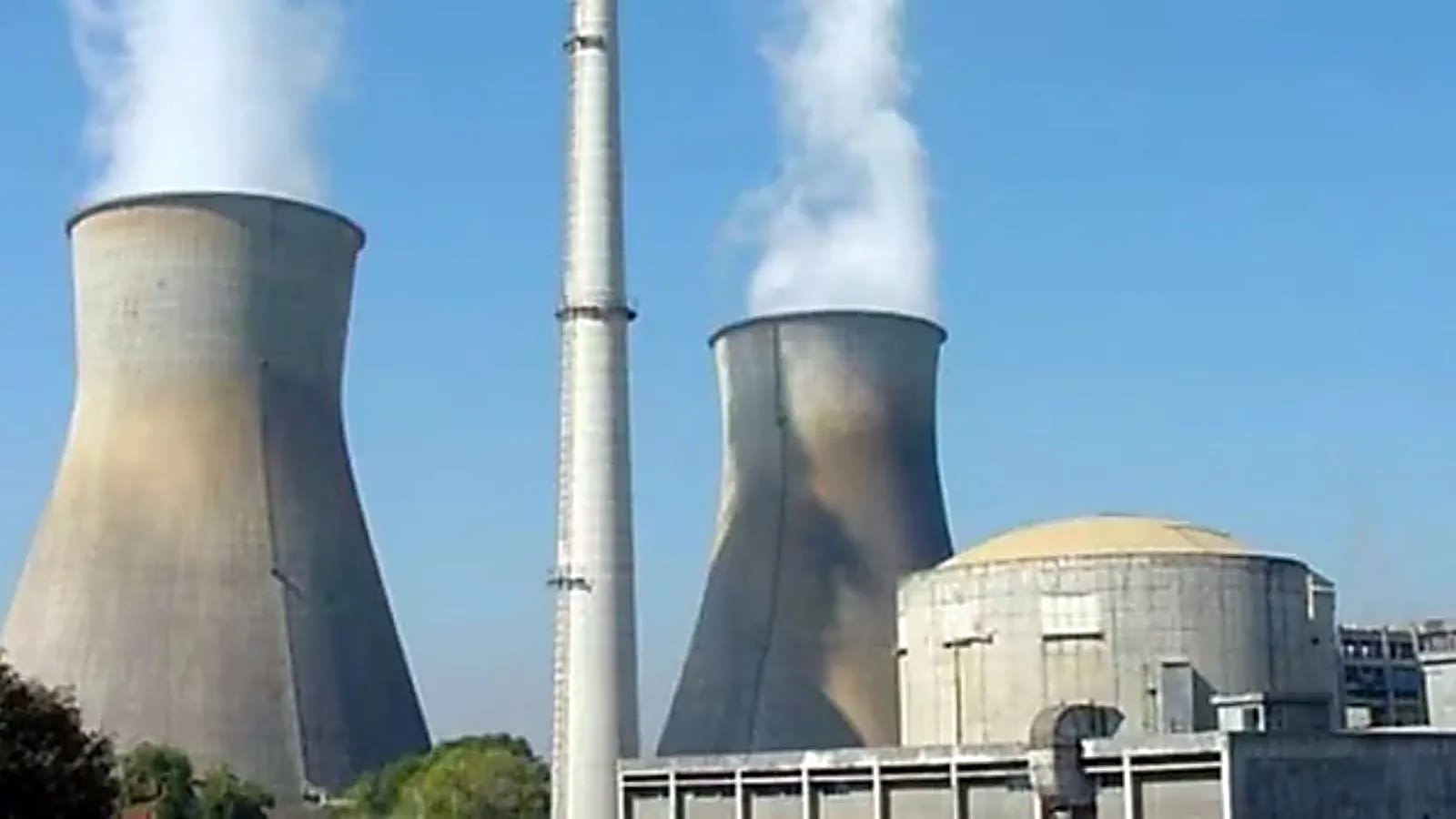
The draft SHANTI Act proposes a five-year review cycle for nuclear operator liability caps. An expert group will evaluate these limits to ensure they remain appropriate for nuclear damage compensation.
Strengthening Nuclear Accountability: The SHANTI Act Review Mechanism
The Department of Atomic Energy has introduced a significant shift in the oversight of nuclear safety and compensation with the release of draft rules for the SHANTI Act. Central to this regulatory framework is Rule 78, which establishes a formal, periodic mandate to reassess the civil liability limits imposed on nuclear operators. By instituting a five-year review cycle, the government is signaling a commitment to keeping pace with evolving global standards in nuclear safety and financial risk management.
The Role of Multidisciplinary Expertise
Under the proposed rules released on August 14, the Centre is tasked with forming an expert group to conduct these assessments. The composition of this body is intentionally diverse, spanning critical domains such as nuclear science, engineering, actuarial science, insurance, and law. This multidisciplinary approach ensures that the review process is not merely a bureaucratic exercise but a rigorous technical and legal evaluation that accounts for the complexities inherent in modern nuclear energy infrastructure.
Balancing Public Interest and Industry Viability
An essential component of the expert group's mandate is the inclusion of public-interest representatives. This inclusion serves as a vital check and balance, ensuring that the 'maximum limits of operator’s civil liability for nuclear damage' are not determined solely by industry convenience. By balancing the financial realities of nuclear operators with the necessity of protecting the public, the SHANTI Act aims to create a sustainable framework for compensation in the event of nuclear incidents.
The Mechanics of Liability Caps
The draft rules specifically target the second schedule of the Act, which dictates the graded limits of liability. By allowing the expert group to recommend changes to these limits, the government is creating a dynamic regulatory environment. This flexibility is crucial; as nuclear technology advances and the insurance market matures, the financial exposure of operators must be recalibrated to remain both fair to the public and economically viable for the energy sector.
Future Implications for Nuclear Governance
The implementation of these draft rules reflects a broader trend toward institutionalizing transparency and accountability in the nuclear energy sector. By codifying the review process, the SHANTI Act reduces ambiguity regarding operator responsibility. Moving forward, this structure could serve as a model for other high-stakes industries, demonstrating how structured, expert-led reviews can effectively manage long-term risks while maintaining public trust in critical infrastructure.