India-Pakistan Matches Seen As A Country Engaging With Another: Shashi Tharoor
Source Entity
NDTV News Search Records Found 1000
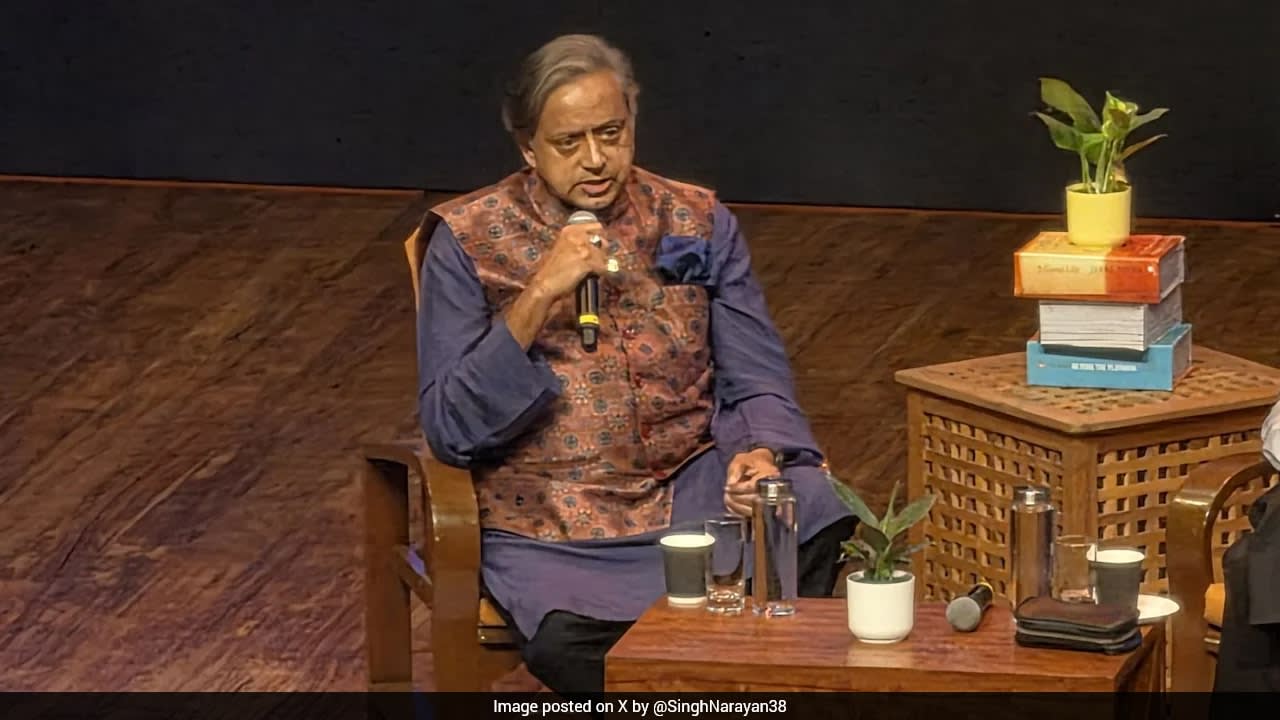
Shashi Tharoor has criticized the growing trend of politicizing India-Pakistan cricket matches. He emphasizes that such sporting events should be viewed as constructive engagement between two nations rather than political tools.
The Intersection of Cricket and Diplomacy
Congress leader and Member of Parliament Shashi Tharoor has recently voiced strong concerns regarding the increasing politicization of cricket matches between India and Pakistan. Tharoor’s remarks highlight a growing tension where sporting events, historically seen as a neutral ground for competition, are increasingly being utilized as proxies for geopolitical posturing and nationalistic narratives. By framing these matches as a country engaging with another, Tharoor suggests that the sport holds a unique potential to serve as a diplomatic bridge rather than a theater for hostility.
The Historical Weight of the Rivalry
The India-Pakistan cricket rivalry is arguably the most intense in the world, carrying historical, social, and political baggage that transcends the boundaries of the stadium. For decades, these matches have been more than just a contest of skill; they have often mirrored the state of bilateral relations. When tensions rise along the border or in diplomatic chambers, the pressure on the cricket pitch intensifies, turning players into symbols of national pride and policy representatives, a phenomenon Tharoor identifies as inherently problematic for the spirit of the game.
Risks of Politicization
Tharoor’s critique points to the dangers of tethering sports outcomes to national identity. When cricket is weaponized, the pressure on athletes shifts from performance-based expectations to carrying the weight of state-level grievances. This environment limits the ability of the sport to act as a 'soft power' tool. By demanding that cricket remain free from political interference, the argument is that both nations lose a valuable avenue for people-to-people contact, which is often the most resilient form of diplomacy during times of political stalemate.
Soft Power and Global Expectations
From a global perspective, international sports organizations and fans alike often advocate for the separation of politics and athletics. Tharoor’s perspective aligns with the idea that India, as a rising global power, should approach these engagements with a sense of maturity. By treating a match as a standard sporting encounter rather than a referendum on national success, the focus can return to the technical aspects of the game, fostering a more professional environment that benefits the growth of cricket in South Asia.
Future Trends and Concluding Thoughts
Looking forward, the politicization of these matches remains a flashpoint that complicates scheduling and hosting logistics. If the discourse continues to treat every encounter as a high-stakes political event, it risks making the sport unsustainable for players and fans who seek escapism rather than anxiety. Tharoor’s intervention serves as a necessary call to recalibrate the relationship between state policy and athletics, advocating for a return to the foundational principles of sportsmanship that transcend national borders.
Verification Required?