Sheikh Hasina to return through legal means, what India does is up to them: Bangladesh minister
Source Entity
Latest News: Todays Latest News Headlines from India & World | Hindustan Times
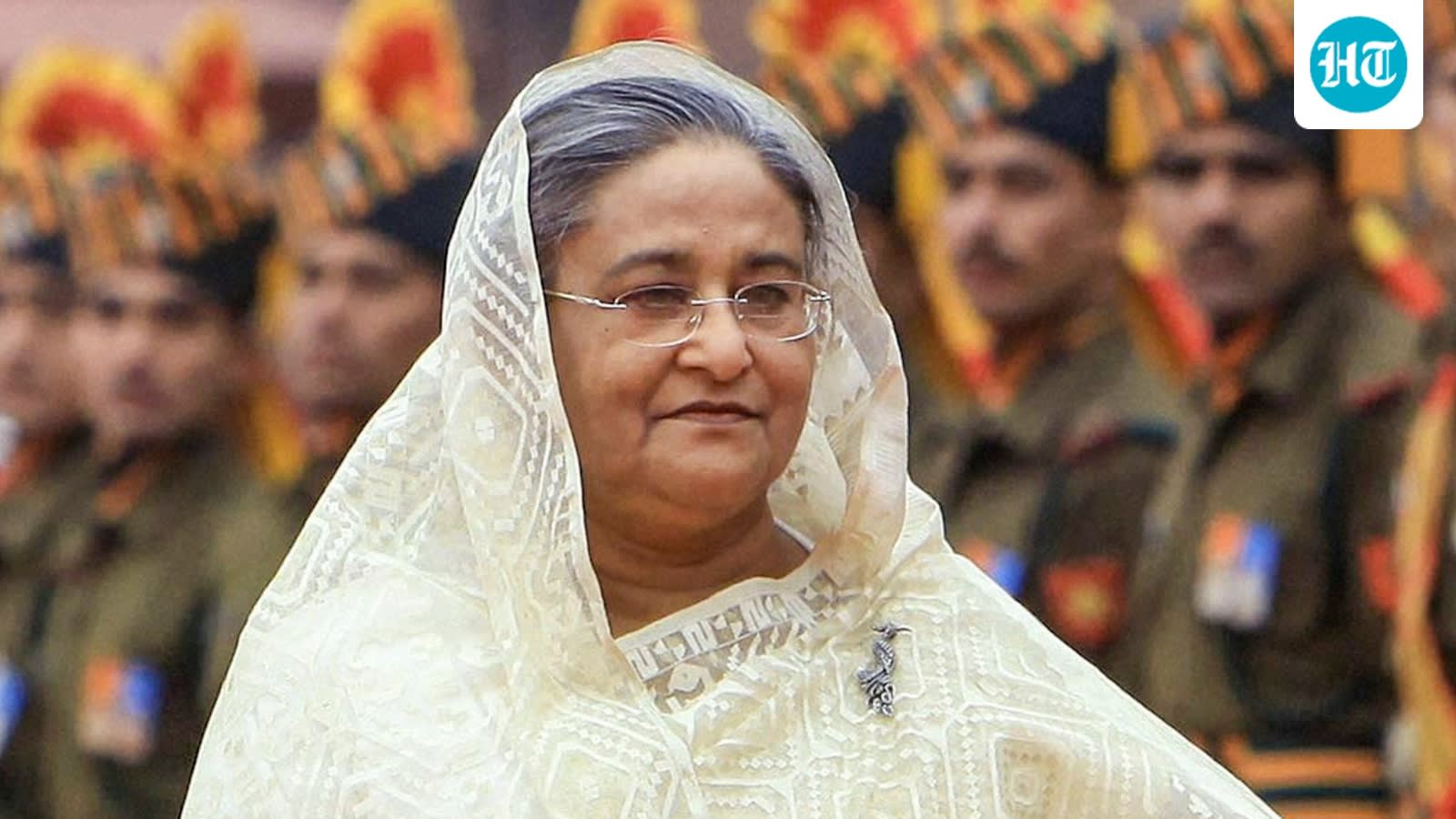
Bangladesh Law Minister Asaduzzaman confirmed that the government has initiated legal processes for the return of former PM Sheikh Hasina. Hasina, currently in India, has requested a new passport while facing potential legal challenges, including a death sentence.
The Legal and Diplomatic Dilemma of Sheikh Hasina's Return
Official Stance from Dhaka
Bangladesh's Law Minister, Asaduzzaman, has publicly confirmed that the interim government intends to pursue the return of ousted Prime Minister Sheikh Hasina through established legal channels. By stating that the government has completed the necessary domestic legal requirements, the minister signals a shift from rhetoric to formal procedural action. This development marks a significant escalation in the post-uprising political landscape of Bangladesh, as the administration seeks to address the legal accountability of its former leader.
The Passport Request and Diplomatic Friction
Compounding the situation is the report that Sheikh Hasina has requested a new passport and identity card from the Bangladesh High Commission in New Delhi. This request serves as a critical catalyst for diplomatic engagement between Dhaka and New Delhi. The possession of valid travel documents is a prerequisite for any international movement, and by seeking these documents, Hasina is effectively testing the willingness of the interim government to facilitate her status as a citizen, despite the profound political rift between them.
Legal Jeopardy and the Death Sentence
Sheikh Hasina currently faces severe legal repercussions, including reports of a death sentence looming over her in Bangladesh. Her expressed desire to return to the country, despite the extreme nature of these potential penalties, highlights a complex strategy. Whether this is an attempt to challenge the legitimacy of the current judicial proceedings or a move to re-engage with her political base, the legal risks involved are unprecedented for a former head of state in modern Bangladeshi history.
The Role of India and International Relations
Asaduzzaman’s assertion that "what India does is up to them" underscores the delicate nature of the current bilateral relationship. India finds itself in a precarious position, hosting a former leader who is now a central figure in the legal and political turmoil of its neighbor. The decision-making process in New Delhi regarding her visa status and the potential honoring of extradition or legal requests will likely define the trajectory of India-Bangladesh diplomatic relations in the coming months.
Broader Implications for Regional Stability
This situation reflects a broader struggle for institutional stability in South Asia, where the transition of power often carries heavy legal and personal costs for outgoing leaders. The outcome of Hasina’s potential return will not only test the resilience of Bangladesh's legal system but will also serve as a barometer for how regional powers manage the political fallout of regime changes. If the process is handled through traditional legal frameworks, it may set a precedent for future accountability; however, any deviation could further polarize the domestic political climate.
Future Trends and Concluding Summary
Looking ahead, the focus will remain on the administrative response of the Bangladesh High Commission and the reaction of the Indian government to the passport request. If the legal process continues to unfold, we can expect increased scrutiny from international human rights organizations and regional observers regarding the fairness of the judicial path ahead for the former Prime Minister. Ultimately, the resolution of this standoff will require a delicate balance between domestic demands for justice and the complexities of international diplomatic protocol.
Verification Required?