'No passport to terrorist': Dhaka rejects Sheikh Hasina's plea for return
Source Entity
PRANJAL PANDEY
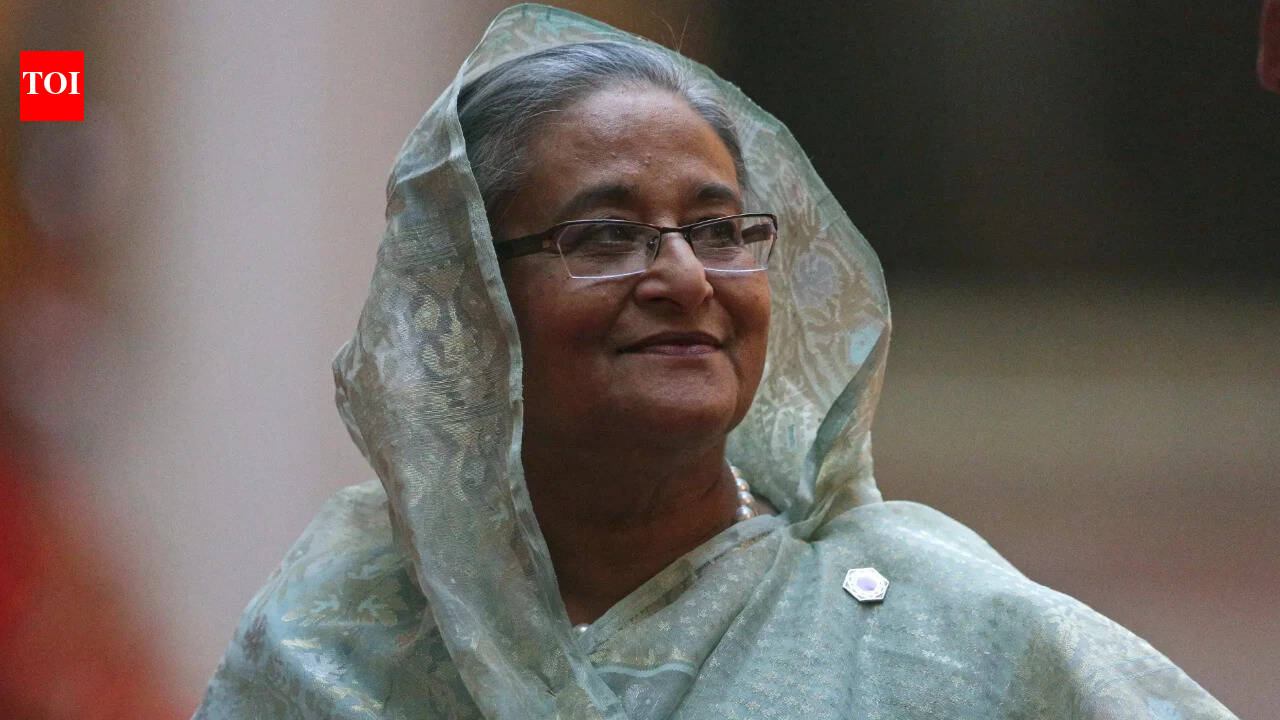
Former Bangladeshi PM Sheikh Hasina has formally requested a new passport and ID to facilitate her return from exile in India. The current Bangladeshi government views this move as political posturing, while Hasina claims her intent is to face legal proceedings and restore democratic rights.
The Return of a Displaced Leader: Sheikh Hasina’s Strategic Gambit
A New Chapter in Post-Uprising Bangladesh
Former Bangladeshi Prime Minister Sheikh Hasina, who fled the country on August 5, 2024, following a deadly student-led uprising, has officially initiated a request for a new passport and identity card. This development marks the first formal communication from the ousted leader since she entered self-imposed exile in India. After two years of relative silence, this move signals a pivot from passive displacement to active engagement with her political future and the legal challenges awaiting her in Dhaka.
The Legal and Political Stakes
Hasina has communicated her intention to return to Bangladesh by December, framing the move as a "struggle to bring back democracy, rule of law and voting rights." However, the landscape she left behind has undergone profound transformation. Her party, the Awami League, now faces a ban, and the current administration is actively pursuing her extradition. By expressing a desire to surrender before a court, Hasina is attempting to frame her return as a legitimate legal process rather than a political insurgency.
The Stance of the Current Administration
The administration currently in power in Bangladesh has remained skeptical, dismissing the request and the surrounding discourse as "merely political posturing." Officials have previously suggested that such documentation is unnecessary for her return, implying that the current request may be a tactical maneuver designed to challenge the legitimacy of the post-2024 government on the international stage. This standoff highlights the deep polarization that persists long after the initial uprising.
Regional Implications and India's Role
Hasina’s presence in India for the past two years has been a point of geopolitical sensitivity. Her residence in India has served as a buffer, but her potential return to face trial creates a complex diplomatic scenario for New Delhi. India must balance its historical ties with the former leader against the need to maintain a constructive relationship with the current governing authorities in Dhaka, who are seeking her return for judicial accountability.
Future Outlook: Stability or Volatility?
As December approaches, the prospect of Hasina’s return introduces the potential for renewed political and legal volatility. If she proceeds with her plan to surrender to the courts, it will test the resilience of Bangladesh’s judicial system and the stability of the current political order. Whether this results in a genuine reconciliation or a further breakdown of civil order remains a critical question for the nation's fragile transition toward restored democratic processes.