Why shingles prevention belongs in self-care routine
Source Entity
Latest News: Today's Latest News Headlines from India & World | Hindustan Times | Hindustan Times
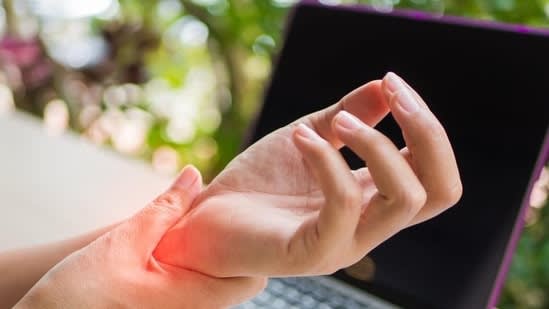
Dr. Randeep Guleria emphasizes that shingles prevention is a critical, often overlooked component of personal self-care. Prioritizing immunity through preventative measures is essential for maintaining independence and quality of life as we age.
Redefining Self-Care: The Critical Role of Shingles Prevention
In the contemporary wellness landscape, the term 'self-care' has evolved into a cultural phenomenon, heavily promoted across social media platforms. Often, this discourse is dominated by aesthetic-focused rituals such as elaborate skincare routines, or lifestyle habits like gym-going and stress-reduction techniques. While these practices are undeniably beneficial for general well-being, Dr. Randeep Guleria, chairman of the Institute of Internal Medicine & Respiratory and Sleep Medicine at Medanta, argues that our definition of self-care remains dangerously incomplete.
Moving Beyond the Surface
The post-Covid-19 era has catalyzed a significant shift in how individuals, particularly older adults, perceive their personal health. There is a newfound emphasis on home-based care and the proactive management of one's physical state. However, Dr. Guleria highlights a glaring omission in this modern self-care narrative: the active prevention of infectious diseases. While we focus on external wellness, we often neglect the biological defenses required to maintain our independence, mobility, and long-term quality of life.
The Silent Threat of Shingles
Shingles represents a significant, yet frequently ignored, threat to the elderly population. Unlike common lifestyle ailments that develop slowly, shingles can strike suddenly, causing debilitating pain and potentially long-term complications that directly interfere with an individual’s ability to remain independent. By framing shingles prevention as a fundamental pillar of self-care, the medical community is attempting to pivot the conversation toward proactive immunological maintenance rather than reactive treatment.
The Immune System as a Priority
At the core of this discussion is the human immune system, which works tirelessly around the clock to shield the body from pathogens. As people age, the efficacy of this system can naturally wane, making preventative measures—such as vaccination—essential components of a robust health strategy. Treating preventative medicine as a core component of daily 'self-care' is not just a clinical recommendation; it is a vital strategy for long-term survival and functional autonomy.
Future Trends in Preventative Health
Looking forward, the integration of infectious disease prevention into the broader wellness market is likely to increase. As the population ages, healthcare providers will likely focus more on education regarding vaccine-preventable illnesses. By shifting the public perception of self-care from merely 'pampering' to 'protection,' we can empower individuals to take ownership of their biological resilience, ensuring that they can enjoy their later years with the mobility and vigor they deserve.
Verification Required?