Shipowner Offers Sailors 6-Fold Pay To Cross Strait Of Hormuz: Report
Source Entity
NDTV News Search Records Found 1000
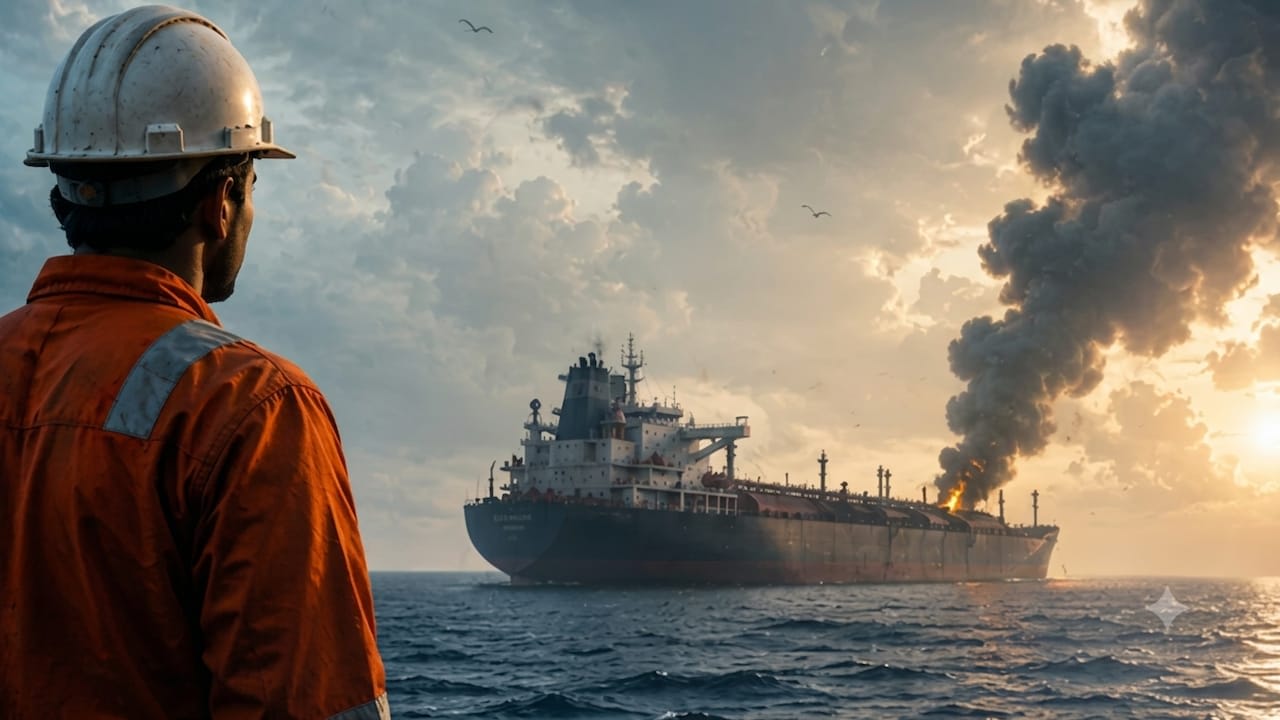
In response to escalating security risks in the Strait of Hormuz, a shipowner has offered sailors a six-fold pay increase to traverse the critical waterway. This move precedes recent attacks on merchant vessels, highlighting the severe danger and insurance premiums currently impacting global maritime trade.
Maritime Risk and Economic Volatility in the Strait of Hormuz
The Escalating Security Dilemma
The recent report that a shipowner has offered a six-fold salary increase to sailors tasked with traversing the Strait of Hormuz underscores the extreme risk environment currently defining one of the world's most critical maritime chokepoints. This drastic financial incentive serves as a direct indicator of the deteriorating security landscape, where the threat of kinetic action against commercial shipping has become a primary operational concern for logistics firms and maritime insurers alike.
Contextualizing the Financial Premium
Historically, wage structures in the merchant navy are governed by standardized collective bargaining agreements. A six-fold increase is an extraordinary deviation from these norms, signaling that the perceived risk to life and asset integrity has surpassed the threshold of standard hazard pay. This proposal, circulated specifically before Monday’s reported attacks on merchant vessels, demonstrates that shipowners are attempting to maintain supply chain continuity through radical financial measures as traditional security assurances fail to mitigate current threats.
The Strategic Significance of the Strait
The Strait of Hormuz is not merely a transit route; it is the global jugular for energy markets, with a significant percentage of the world's oil and liquefied natural gas passing through its narrow passage daily. Any disruption or increased cost of transit—such as the massive salary hikes required to incentivize crews—inevitably cascades into the global economy, raising insurance premiums and shipping rates. The recent uptick in attacks suggests that the geopolitical friction in the region is directly impeding the flow of essential commodities.
Implications for Global Logistics
As shipowners prioritize the passage of goods despite heightened danger, the reliance on high-wage incentives creates a precarious precedent. If the maritime industry becomes dependent on 'danger-pay' models to sustain operations through the Strait, the long-term impact on global inflation could be profound. Furthermore, this trend suggests that private entities are effectively operating in a state of high-intensity conflict, often outpacing the diplomatic or naval responses intended to stabilize the region.
Future Trends and Market Stability
Looking ahead, if the frequency of attacks on merchant vessels continues to rise, we can expect a shift in maritime logistics, including potential rerouting of vessels around the Cape of Good Hope, which would add weeks to transit times and further strain global supply chains. The decision to offer six-fold pay is likely a temporary stopgap measure. Should the security situation remain volatile, the industry may see a transition toward autonomous shipping or an increased demand for military-led maritime security escorts to protect civilian crews and their valuable cargo.
Verification Required?